 EN
EN
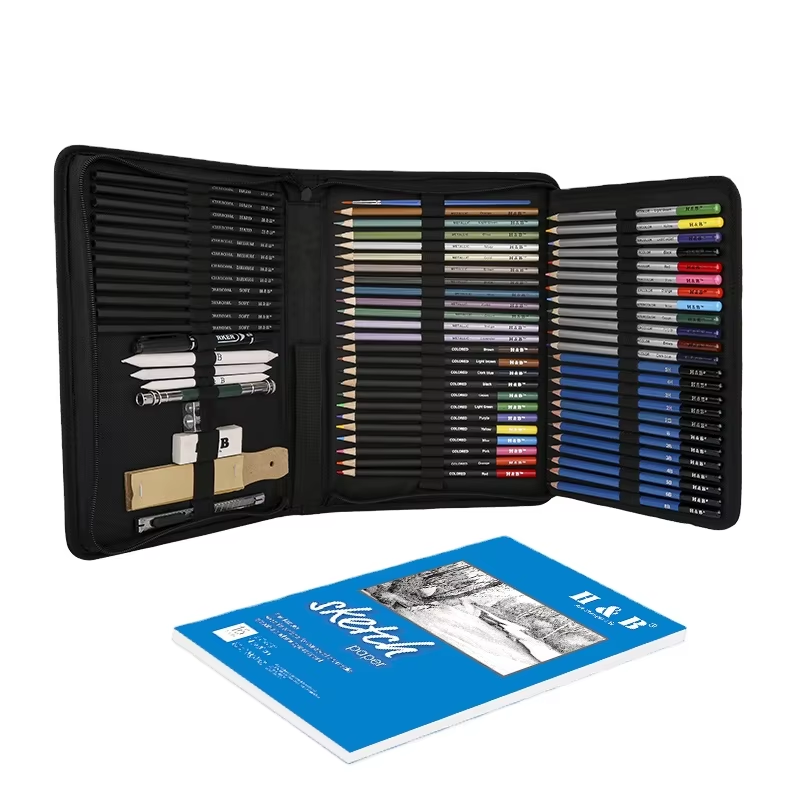
Mixed media artwork has experienced tremendous growth in recent years, with artists exploring innovative combinations of traditional and modern techniques. Among the most versatile tools driving this creative revolution are watercolor pencils, which bridge the gap between drawing and painting in ways that captivate both beginners and professional artists. These unique instruments offer the precision of colored pencils with the fluid beauty of watercolors, making them indispensable for contemporary mixed media projects. The popularity of watercolor pencils stems from their ability to create layered effects, subtle transitions, and dynamic textures that enhance artistic expression across multiple mediums.
Understanding the Unique Properties of Watercolor Pencils
Water-Soluble Pigment Technology
The defining characteristic of watercolor pencils lies in their water-soluble pigment composition, which distinguishes them from regular colored pencils. When dry, watercolor pencils behave like traditional colored pencils, allowing artists to create precise lines, detailed drawings, and controlled color application. However, when water is introduced through brushes or spray bottles, the pigments dissolve and blend, creating watercolor-like washes and gradients. This dual functionality makes watercolor pencils incredibly valuable for mixed media artists who want to incorporate both linear elements and painterly effects within the same artwork.
The pigment formulation in quality watercolor pencils ensures excellent color saturation and lightfastness, meaning the colors remain vibrant over time without significant fading. Modern manufacturing techniques have improved the binding agents used in watercolor pencils, creating smoother application and better water activation. Artists can achieve varying degrees of transparency and opacity by controlling the amount of water used, from subtle tinting effects to bold, saturated color fields that rival traditional watercolor paints.
Versatile Application Methods
Watercolor pencils offer multiple application techniques that expand creative possibilities in mixed media work. Artists can apply them dry for detailed line work, sketching, and precise color placement, then selectively activate areas with water to create painterly effects. This selective activation allows for incredible control over which areas remain crisp and detailed versus which areas flow and blend. The ability to work back into dried watercolor pencil applications with additional dry layering creates rich, complex color relationships that are difficult to achieve with other mediums.
Another popular technique involves creating concentrated color pools by applying watercolor pencils heavily in small areas, then using wet brushes to pull and distribute the pigment across larger surfaces. This method enables artists to create graduated washes, atmospheric effects, and smooth color transitions while maintaining the option to add precise details with dry pencil work. The combination of these techniques within a single piece creates visual interest and technical sophistication that appeals to contemporary art audiences.
Integration with Mixed Media Techniques
Compatibility with Various Art Substrates
The adaptability of watercolor pencils to different paper types and art substrates makes them particularly valuable for mixed media applications. Unlike traditional watercolors that require specific paper weights and textures, watercolor pencils can be used effectively on lighter weight papers, mixed media papers, and even some canvas preparations. This flexibility allows artists to incorporate watercolor pencil techniques into collage work, journal pages, and experimental substrates without the technical limitations often associated with liquid watercolors.
When working on mixed media surfaces, watercolor pencils provide consistent color delivery regardless of the underlying texture or material composition. Artists can apply them over acrylic paint, ink washes, or graphite drawings, creating layered effects that build visual depth and complexity. The pencil format also eliminates concerns about paint containers tipping or colors mixing unintentionally, making watercolor pencils ideal for outdoor sketching and travel documentation where mixed media techniques are desired but practical constraints exist.
Layering and Textural Effects
The ability to build layers progressively makes watercolor pencils exceptional tools for creating textural variety in mixed media compositions. Artists can establish initial color foundations with light watercolor pencil applications, activate them with water to create base washes, then return with dry pencil work to add surface details and linear elements. This layering process can be repeated multiple times, with each layer adding depth and visual interest to the overall composition.
Watercolor pencils excel at creating texture through varied application pressures and water activation techniques. Light, dry applications maintain the natural tooth of the paper and create granular textures, while heavy applications followed by water activation produce smooth, saturated areas. By combining these approaches strategically, artists can simulate natural textures like wood grain, fabric weaves, or organic surfaces within their mixed media pieces. The pencil tips can also be used to create stippling effects, crosshatching patterns, and other mark-making techniques that add tactile quality to the artwork.
Professional Applications and Artistic Advantages
Precision Control in Artistic Expression
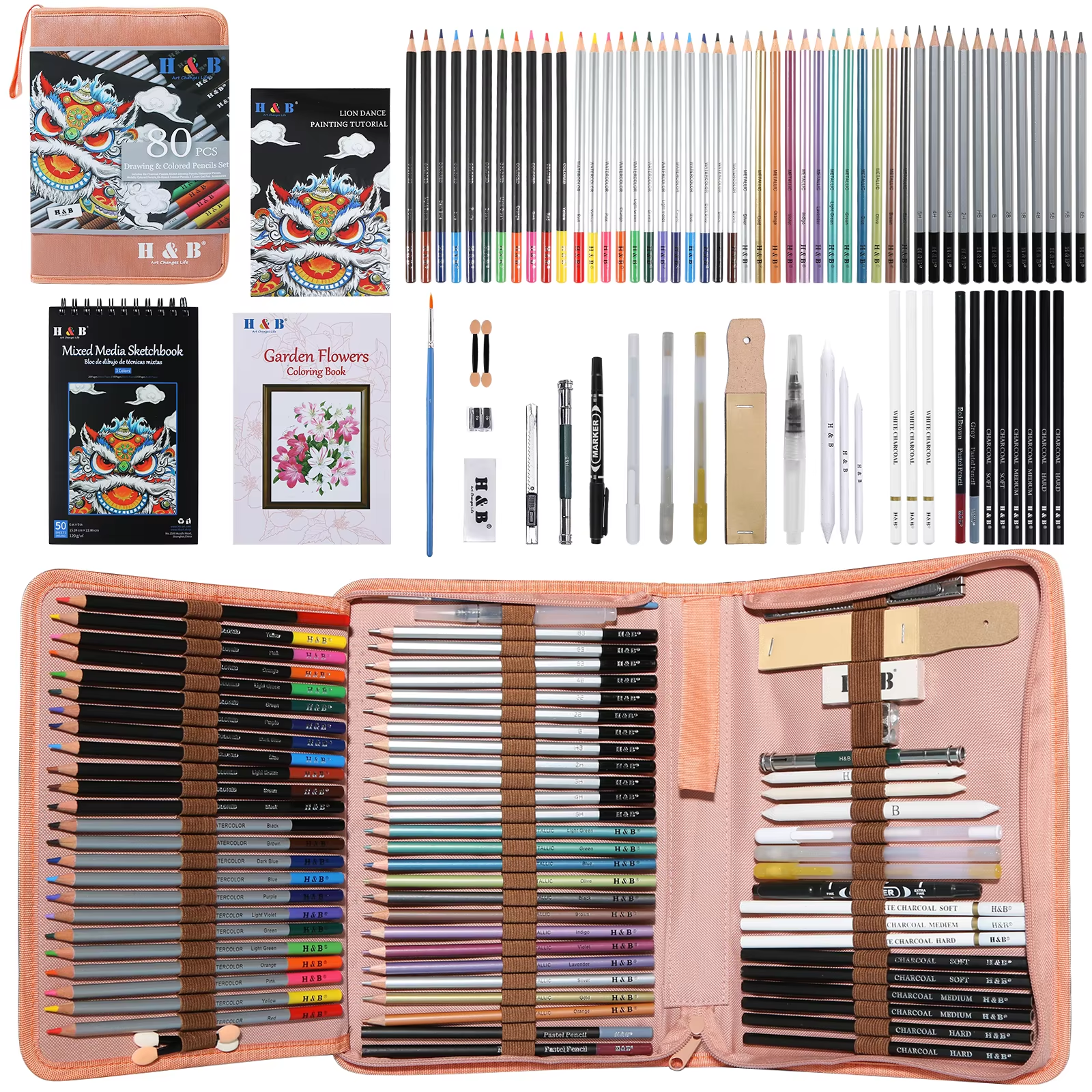
Professional artists appreciate watercolor pencils for the precise control they offer over color placement and intensity. Unlike liquid watercolors that can spread unpredictably, watercolor pencils allow artists to determine exactly where color is applied initially, then control the extent of water activation and blending. This precision is particularly valuable in botanical illustration, architectural sketching, and detailed portrait work where accuracy is paramount. The ability to work from light to dark gradually, building color intensity through successive applications, gives artists confidence in achieving their intended results.
The portability and cleanliness of watercolor pencils make them practical choices for professional artists who work in various locations or have limited studio space. A complete set of watercolor pencils requires minimal additional supplies compared to traditional watercolor setups, yet provides comparable color range and mixing capabilities. This efficiency appeals to working artists who need to maximize their creative output while minimizing setup time and material costs.
Economic and Practical Benefits
From an economic standpoint, watercolor pencils offer excellent value for artists exploring mixed media techniques. A single set of watercolor pencils can replace multiple types of art supplies, including regular colored pencils, watercolor paints, and various brushes for different effects. The longevity of watercolor pencils, when properly maintained, provides consistent performance over extended periods, making them cost-effective choices for both student and professional artists.
The learning curve associated with watercolor pencils is generally less steep than traditional watercolor painting, making them accessible entry points for artists new to water-based mediums. The familiar pencil format reduces intimidation factors while still providing opportunities to explore advanced techniques as skills develop. This accessibility has contributed significantly to their popularity in art education settings and among self-taught artists pursuing mixed media exploration.
Technical Considerations for Optimal Results
Paper Selection and Preparation
Successful watercolor pencil applications depend heavily on appropriate paper selection and surface preparation. Mixed media papers with moderate texture and good wet strength perform exceptionally well with watercolor pencils, providing enough tooth for dry application while withstanding water activation without excessive warping or fiber disturbance. Heavier weight papers, typically 140lb or above, offer the best performance for techniques involving significant water application, though lighter papers can work effectively for more restrained water use.
Surface preparation techniques can enhance watercolor pencil performance in mixed media applications. Light graphite underdrawings provide structural guidelines that remain visible through watercolor pencil applications, while gesso or acrylic medium preparations can create interesting textural foundations that interact uniquely with watercolor pencil pigments. Understanding how different surface treatments affect pigment adhesion and water flow enables artists to make informed decisions about their mixed media approaches.
Water Management and Brush Techniques
Effective water management is crucial for achieving desired results with watercolor pencils in mixed media work. Different brush types and sizes create varied effects when activating watercolor pencil applications, from fine detail brushes for precise blending to large flat brushes for broad washes. The amount of water carried by the brush directly affects how much the pigment dissolves and spreads, requiring artists to develop sensitivity to brush loading and application pressure.
Advanced practitioners often employ multiple water containers with varying levels of cleanliness to control color mixing and maintain color purity. Spray bottles can provide atmospheric effects and overall moisture control, while sponges and paper towels offer additional texture creation possibilities. Understanding these water management principles enables artists to fully exploit the potential of watercolor pencils within their mixed media compositions.
Contemporary Trends and Future Directions
Digital Integration and Hybrid Techniques
Modern mixed media artists increasingly combine traditional watercolor pencil techniques with digital processes, scanning hand-created elements for further manipulation or printing digital designs onto watercolor paper for traditional media enhancement. This hybrid approach leverages the unique qualities of watercolor pencils while expanding creative possibilities through technology integration. The organic, hand-crafted appearance of watercolor pencil work provides valuable contrast to digital elements, creating visual tension that enhances overall composition impact.
Social media platforms have significantly influenced watercolor pencil popularity, with artists sharing time-lapse videos of their creative processes and inspiring others to explore these techniques. The visual appeal of watching dry pencil applications transform through water activation creates compelling content that showcases the medium's unique properties. This exposure has introduced watercolor pencils to broader audiences and contributed to their growing acceptance in contemporary art circles.
Innovation in Product Development
Manufacturers continue developing improved formulations for watercolor pencils, focusing on enhanced pigment concentration, smoother application characteristics, and better water activation properties. Recent innovations include pencils with different hardness grades within the same color range, allowing artists to choose between precise detail work and broad coverage applications. Some manufacturers have introduced watercolor pencils with special effects, such as metallic or iridescent properties, expanding creative possibilities for mixed media artists.
Environmental considerations are also driving product development, with manufacturers exploring sustainable materials for pencil casings and more environmentally friendly pigment production methods. These developments align with growing environmental consciousness among artists and art supply consumers, ensuring that watercolor pencils remain relevant and responsible choices for future generations of mixed media artists.
FAQ
How do watercolor pencils differ from regular colored pencils in mixed media applications
Watercolor pencils contain water-soluble binders that allow the pigments to dissolve when activated with water, creating painterly effects impossible with regular colored pencils. This unique property enables artists to achieve both precise line work and flowing washes within the same piece, making them ideal for mixed media work where versatility is essential. Regular colored pencils maintain their waxy or oil-based consistency regardless of water exposure, limiting their integration potential with other water-based media.
What paper types work best with watercolor pencils for mixed media projects
Mixed media papers with weights between 140-300gsm provide optimal performance for watercolor pencil applications, offering sufficient durability for water activation while maintaining good texture for dry pencil work. Cold-pressed watercolor papers also work exceptionally well, though their pronounced texture may affect fine detail work. Avoid papers below 90gsm as they typically warp excessively when water is applied and may not hold up to the layering techniques common in mixed media art.
Can watercolor pencils be used effectively with other wet media in the same artwork
Yes, watercolor pencils integrate beautifully with various wet media including traditional watercolors, acrylic paints, and ink washes. Their water-based nature allows them to blend seamlessly with other water-soluble mediums while their pencil format provides control over placement and intensity. When combining with acrylic paints, apply watercolor pencils over dried acrylic layers for best results, as the acrylic creates a stable foundation that prevents unwanted color mixing.
How should watercolor pencils be stored and maintained for optimal performance
Store watercolor pencils in a cool, dry environment away from extreme temperatures and humidity fluctuations that can affect the water-soluble binders. Keep pencil tips sharp using quality sharpeners or sandpaper blocks to maintain precision in application. Avoid dropping or applying excessive pressure that might crack the core, as watercolor pencil leads are typically softer than regular colored pencils. Regular rotation of pencils during use helps maintain even wear and prevents flat spots that can affect application quality.
Table of Contents
- Understanding the Unique Properties of Watercolor Pencils
- Integration with Mixed Media Techniques
- Professional Applications and Artistic Advantages
- Technical Considerations for Optimal Results
- Contemporary Trends and Future Directions
-
FAQ
- How do watercolor pencils differ from regular colored pencils in mixed media applications
- What paper types work best with watercolor pencils for mixed media projects
- Can watercolor pencils be used effectively with other wet media in the same artwork
- How should watercolor pencils be stored and maintained for optimal performance