
 EN
EN
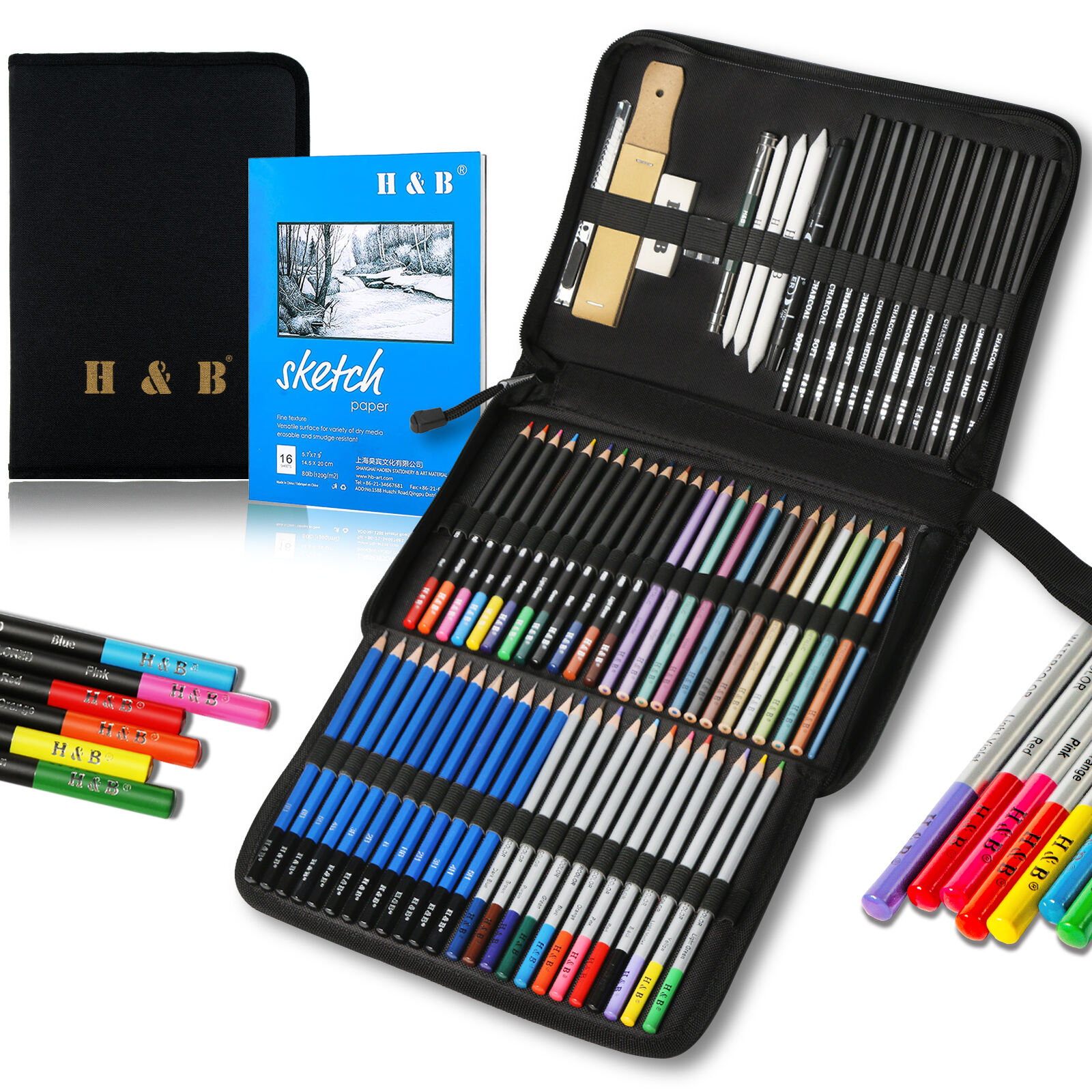
A professional drawing set serves as the foundation for artistic development, providing artists with the essential tools needed to express their creativity and develop technical skills. Whether you're beginning your artistic journey or advancing your techniques, having access to a comprehensive collection of high-quality drawing instruments can significantly impact the quality of your artwork and overall learning experience. The importance of structured art education cannot be overstated, as it provides systematic guidance that helps artists understand fundamental principles while building confidence through consistent practice with reliable tools.
Essential Components of a Complete Professional Drawing Set
Pencil Varieties and Graphite Range
The cornerstone of any professional drawing set lies in its pencil selection, which should encompass a comprehensive range of hardness levels from 9H to 9B. Hard pencils (H grades) create light, precise lines ideal for initial sketching and detailed work, while soft pencils (B grades) produce rich, dark tones perfect for shading and expressive mark-making. A well-curated professional drawing set typically includes at least twelve different pencil grades, allowing artists to achieve subtle gradations and dramatic contrasts within their compositions.
Beyond traditional graphite pencils, modern drawing sets often incorporate mechanical pencils with various lead sizes, providing consistent line weights and eliminating the need for frequent sharpening. These instruments prove particularly valuable for technical drawing and detailed illustration work where precision is paramount. The inclusion of both wooden and mechanical options ensures artists can adapt their tool selection to match their specific artistic intentions and working preferences.
Colored Media Integration
Contemporary professional drawing sets frequently feature colored pencils that expand creative possibilities beyond monochromatic work. High-quality colored pencils with rich pigmentation and smooth application characteristics enable artists to explore color theory while developing their observational skills. A comprehensive professional drawing set should include at least 24 to 36 colored pencils representing primary, secondary, and tertiary colors along with various neutral tones.
The integration of colored media within a drawing set serves multiple educational purposes, allowing students to understand color relationships, practice blending techniques, and develop skills in realistic rendering. Quality colored pencils maintain their points longer and blend more smoothly than cheaper alternatives, making them essential components for serious artistic study and professional application.
Paper Selection and Surface Considerations
Texture Variations and Paper Weight
A complete professional drawing set should include multiple paper types to accommodate different drawing techniques and artistic approaches. Smooth papers work excellently for detailed pencil work and precise line drawing, while textured surfaces enhance the effectiveness of charcoal and soft pastel applications. The paper weight typically ranges from 90gsm for practice sketches to 200gsm or higher for finished artwork, ensuring the surface can withstand various drawing pressures and erasing without damage.
Different paper colors also play crucial roles in artistic development, as toned papers allow artists to work with both light and dark values simultaneously. Gray, cream, or tan papers provide mid-tone foundations that can dramatically reduce drawing time while teaching students to think about value relationships more effectively. A professional drawing set often includes sample sheets of various paper types, enabling artists to experiment and discover their preferred working surfaces.
Size Standards and Format Options
Professional drawing sets typically provide paper in standard sizes such as A4, A3, or letter format, ensuring compatibility with presentation requirements and portfolio development. Larger formats encourage bold, expressive work while smaller sizes promote attention to detail and precise observation. Having multiple size options within a professional drawing set allows artists to match their paper choice to their artistic intentions and available working time.
Perforated or spiral-bound drawing pads offer practical advantages for students and working artists, allowing easy page removal for display or submission while maintaining the integrity of remaining sheets. The inclusion of both bound and loose-sheet options provides flexibility for different working methods and presentation requirements.
Supporting Tools and Accessories
Blending and Texture Creation Tools
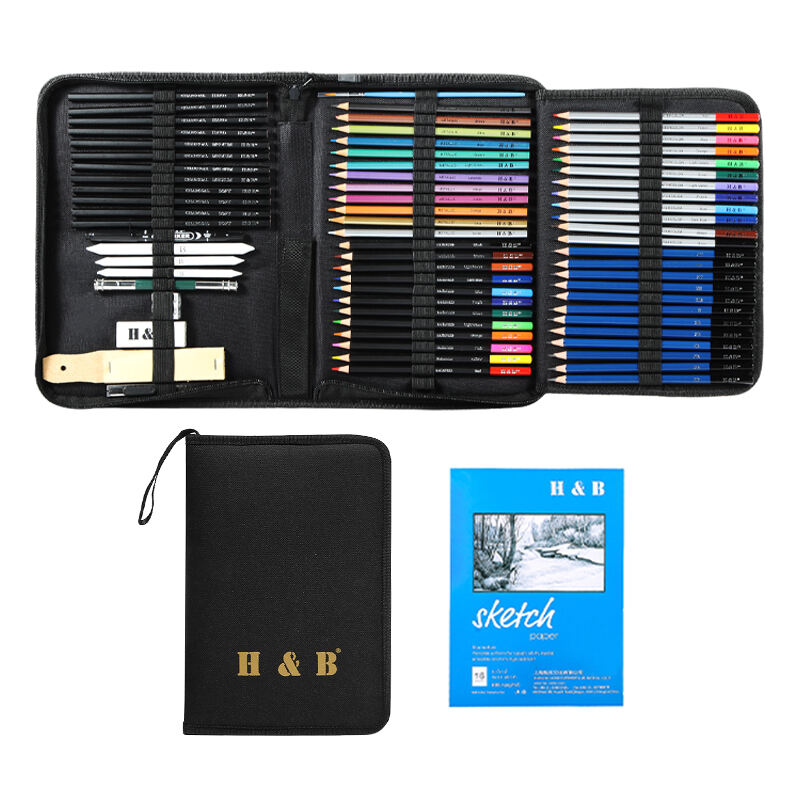
A comprehensive professional drawing set extends beyond pencils and paper to include specialized tools that enhance artistic capabilities. Blending stumps and tortillons enable smooth value transitions and soft shading effects that would be difficult to achieve through pencil work alone. These tools, crafted from tightly wound paper, can be shaped to various points and used to manipulate existing graphite or charcoal marks on the drawing surface.
Kneaded erasers represent another essential component, offering artists the ability to lift graphite selectively while creating highlights and texture effects. Unlike traditional erasers that remove material completely, kneaded erasers can be molded into various shapes and used subtractively to create atmospheric effects and subtle value adjustments. Quality professional drawing sets include multiple eraser types, each serving specific artistic functions.
Precision and Measurement Instruments
Professional drawing sets often incorporate rulers, proportion wheels, and viewfinders that assist artists in achieving accurate proportions and compositions. These tools prove particularly valuable during structured art education, helping students develop observational skills while maintaining confidence in their ability to create realistic representations. Proportional dividers and measuring devices eliminate guesswork and provide consistent reference points throughout the drawing process.
Sharpening tools, including sandpaper blocks and mechanical sharpeners, ensure that pencils maintain optimal points for different drawing techniques. A well-maintained pencil point can mean the difference between successful detail work and frustrating limitations in artistic expression. Professional drawing sets typically include multiple sharpening options to accommodate different pencil types and artistic needs.
Storage and Organization Solutions
Protective Cases and Portability
The organization and protection of drawing materials significantly impacts their longevity and accessibility during creative sessions. Quality professional drawing sets feature durable cases or portfolios that protect delicate pencil points while maintaining organized access to all materials. These cases often include elastic loops, foam inserts, or molded compartments that prevent tools from shifting during transport and reduce the risk of damage.
Portability considerations become increasingly important for artists who work in various locations or attend classes regularly. A well-designed professional drawing set balances comprehensive tool selection with reasonable weight and size constraints, ensuring artists can maintain their complete toolkit without burden. Modern cases often incorporate weather-resistant materials and secure closure systems that protect valuable art supplies from environmental hazards.
Inventory Management and Replacement Planning
Successful long-term use of a professional drawing set requires attention to inventory management and replacement planning. Quality sets often include duplicate pencils in commonly used grades, recognizing that certain tools experience more frequent use and wear. Clear labeling and organization systems help artists track their materials and identify when replacements become necessary.
Some professional drawing sets include reference cards or guides that help users understand proper tool selection for different techniques and effects. These educational components enhance the value of the set while supporting structured learning approaches that benefit both independent artists and classroom settings.
Educational Benefits and Skill Development
Systematic Learning Progression
Structured art education benefits enormously from consistent access to reliable, high-quality tools found in a professional drawing set. When students use standardized materials, instructors can provide more effective guidance while students develop consistent techniques without the frustration of inadequate tools limiting their progress. The predictable performance characteristics of professional-grade materials allow students to focus on developing their observational and technical skills rather than compensating for tool limitations.
A complete professional drawing set enables progressive skill development through its range of tools and materials. Beginning students can start with basic exercises using harder pencils and simple paper, gradually incorporating softer grades, colored media, and textured surfaces as their confidence and abilities develop. This systematic approach ensures students build strong foundational skills while maintaining motivation through expanding creative possibilities.
Technical Skill Refinement
Professional drawing sets support the development of specific technical skills that form the foundation of artistic competency. Value studies, proportion exercises, and texture rendering all benefit from having appropriate tools readily available. Students can practice cross-hatching techniques with various pencil grades, experiment with different blending methods using stumps and erasers, and explore color relationships through systematic colored pencil exercises.
The availability of diverse materials within a single professional drawing set encourages experimentation while maintaining focus on fundamental skills. Students learn to select appropriate tools for specific artistic goals, developing judgment and technical versatility that serves them throughout their artistic careers. This tool familiarity becomes increasingly important as students progress toward independent creative work and professional applications.
Quality Standards and Material Specifications
Manufacturing Excellence and Durability
The distinction between amateur and professional drawing sets lies primarily in manufacturing quality and material specifications. Professional-grade pencils utilize higher-quality wood, better graphite formulations, and more precise manufacturing tolerances that result in consistent performance characteristics. These quality improvements directly impact the user experience, reducing frustration from broken points, inconsistent mark-making, and premature tool failure.
Durability considerations extend beyond individual tools to encompass the entire professional drawing set system. Quality cases protect materials from damage while maintaining organization over extended periods of use. Superior manufacturing ensures that elastic loops maintain tension, foam inserts resist compression, and closure mechanisms continue functioning reliably through hundreds of opening and closing cycles.
Performance Consistency and Reliability
Professional drawing sets maintain consistent performance characteristics across all included materials, ensuring artists can depend on predictable results from their tools. This consistency proves particularly important during structured art education, where students need reliable feedback from their materials to understand the relationship between technique and visual results. High-quality graphite formulations produce uniform darkness levels, while premium colored pencils maintain consistent pigment density throughout their length.
Color accuracy and lightfastness represent critical factors in professional drawing sets that include colored media. Quality manufacturers test their pigments for fade resistance and color stability, ensuring that student work maintains its appearance over time. This attention to material quality supports the long-term value of student artwork while teaching proper archival practices from the beginning of artistic education.
Cost Effectiveness and Long-Term Value
Investment Analysis for Educational Institutions
Educational institutions and individual students must carefully consider the long-term value proposition when selecting a professional drawing set. While initial costs may appear higher compared to basic art supplies, the extended lifespan and superior performance of professional materials often result in better overall value. Quality tools require less frequent replacement and produce more satisfying results that encourage continued artistic engagement.
The comprehensive nature of a professional drawing set eliminates the need for multiple separate purchases while ensuring compatibility between all included materials. This systematic approach reduces overall acquisition costs while providing students with everything needed for comprehensive artistic education. Bulk purchasing of complete sets often results in significant savings compared to individual tool acquisition over time.
Professional Preparation Benefits
Students who learn using professional drawing sets develop familiarity with industry-standard tools and techniques that prepare them for advanced study and professional applications. This early exposure to quality materials helps students understand the relationship between tool quality and artistic results, developing judgment that serves them throughout their careers. Professional drawing sets bridge the gap between educational exercises and real-world artistic practice.
The confidence gained from using reliable, high-quality tools cannot be understated in its impact on artistic development. Students who struggle with inadequate materials often become discouraged and may abandon artistic pursuits entirely. Investing in a comprehensive professional drawing set demonstrates commitment to serious artistic study while providing students with the tools necessary for successful creative expression and skill development.
FAQ
What makes a drawing set professional compared to basic art supplies
A professional drawing set distinguishes itself through superior material quality, comprehensive tool selection, and reliable performance characteristics. Professional-grade pencils use higher-quality graphite formulations and better wood construction that resist breaking while providing consistent mark-making capabilities. The sets include a complete range of tools needed for serious artistic work, from various pencil grades to specialized blending tools and quality paper options, all organized in durable, protective cases designed for regular use.
How important is having multiple pencil grades in a drawing set
Having multiple pencil grades is essential for developing complete drawing skills and achieving professional-quality results. Hard pencils (H grades) enable precise line work and light initial sketching, while soft pencils (B grades) create rich, dark values and smooth shading effects. A professional drawing set with grades ranging from 9H to 9B allows artists to achieve the full spectrum of values and line qualities necessary for realistic rendering, detailed illustration, and expressive artistic work.
Why should educational institutions invest in complete drawing sets rather than individual supplies
Complete professional drawing sets offer significant advantages for educational institutions including cost effectiveness through bulk purchasing, guaranteed compatibility between all materials, and simplified inventory management. Students benefit from consistent access to standardized tools that enable more effective instruction and skill development. The comprehensive nature of these sets ensures all students have access to the same high-quality materials, eliminating disparities that can hinder learning progress and creating a more equitable educational environment.
How does paper quality affect drawing results and skill development
Paper quality significantly impacts both immediate drawing results and long-term skill development by providing appropriate tooth and texture for different techniques while maintaining durability through extensive use and erasing. High-quality drawing papers in professional sets accept graphite and colored media more effectively, allowing for smoother blending and more precise detail work. The inclusion of various paper types enables students to experiment with different surfaces and discover how paper choice affects their artistic results, developing technical versatility essential for advanced artistic work.
Table of Contents
- Essential Components of a Complete Professional Drawing Set
- Paper Selection and Surface Considerations
- Supporting Tools and Accessories
- Storage and Organization Solutions
- Educational Benefits and Skill Development
- Quality Standards and Material Specifications
- Cost Effectiveness and Long-Term Value
-
FAQ
- What makes a drawing set professional compared to basic art supplies
- How important is having multiple pencil grades in a drawing set
- Why should educational institutions invest in complete drawing sets rather than individual supplies
- How does paper quality affect drawing results and skill development