 EN
EN
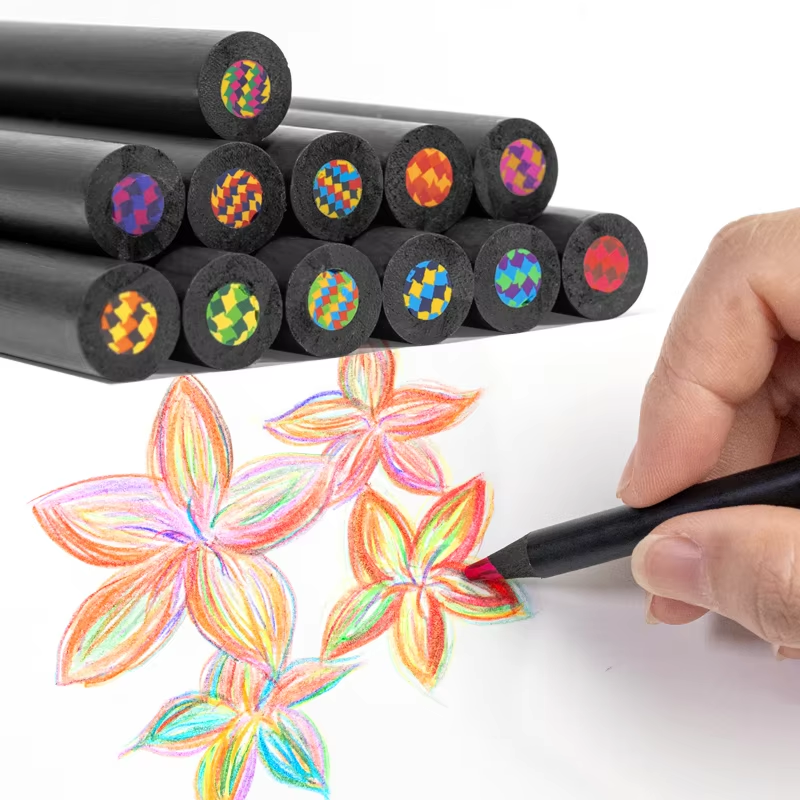
Art supply importers face unique challenges when sourcing watercolor pencils for diverse markets, from professional artists to educational institutions. Understanding the critical specifications that define quality watercolor pencils enables importers to make informed purchasing decisions that satisfy their customers while maintaining competitive pricing. The success of watercolor pencils in retail environments depends heavily on factors such as pigment quality, core composition, water solubility characteristics, and packaging durability. These technical specifications directly impact customer satisfaction and repeat purchases, making them essential considerations for any serious importer in the art supply industry.
Core Composition and Pigment Quality Standards
Understanding Pigment Concentration Levels
The pigment concentration in watercolor pencils determines color intensity and coverage capability, making it one of the most critical specifications for importers to evaluate. High-quality watercolor pencils typically contain between 30-50% pigment content, which provides vibrant colors that maintain their intensity when activated with water. Lower pigment concentrations result in pale, washed-out appearances that disappoint both professional artists and hobbyists. Importers should request detailed pigment analysis reports from manufacturers to ensure consistent quality across different production batches.
Premium watercolor pencils utilize lightfast pigments that resist fading over time, particularly when exposed to sunlight or artificial lighting. The lightfastness rating system, typically measured on a scale from I (excellent) to III (poor), helps importers assess the long-term value proposition of their watercolor pencils inventory. Artists and educators specifically seek products with lightfastness ratings of I or II, as these maintain color integrity for archival artwork and classroom demonstrations.
Core Hardness and Texture Characteristics
The hardness of watercolor pencils cores significantly impacts their usability and customer satisfaction levels. Soft cores provide rich color payoff and blend easily with water, making them ideal for painting techniques and broad color washes. However, softer cores are more prone to breakage during shipping and handling, which can lead to customer complaints and returns. Importers must balance core softness with structural integrity to minimize product damage during transportation and storage.
Medium-hard cores offer versatility for both detailed work and water-activated techniques, making them popular choices for educational markets and general consumer segments. These watercolor pencils maintain their points longer during use while still providing adequate color release when water is applied. The core composition should include high-quality binders that prevent crumbling while maintaining smooth application characteristics across various paper textures.
Water Solubility and Activation Properties
Evaluating Water Response Characteristics
The water solubility of watercolor pencils determines how effectively they transform from dry drawing tools to paint-like media when activated with moisture. Superior watercolor pencils demonstrate immediate and complete dissolution when water is applied, creating smooth, even washes without leaving visible pencil strokes or granular residue. Importers should test water activation properties across different paper types and water application methods to ensure consistent performance for end users.
Professional-grade watercolor pencils maintain color vibrancy and mixing capabilities even after multiple water applications, allowing artists to build layers and create complex color combinations. The water-binding agents used in the core formulation directly impact these performance characteristics. High-quality gum arabic or similar binding agents ensure that watercolor pencils respond predictably to water while maintaining color stability during the painting process.
Blending and Layering Performance
Effective watercolor pencils allow for seamless blending between colors when water is applied, creating natural transitions and gradients that enhance artistic expression. The particle size and distribution of pigments within the core affect blending characteristics, with finer particles generally producing smoother color transitions. Importers should evaluate blending performance across complementary and contrasting color combinations to ensure consistent results for their target markets.
Layering capability enables artists to build color intensity and create complex visual effects by applying multiple layers of watercolor pencils with varying water activation levels. Quality products maintain distinct color separation when dry application is followed by wet techniques, allowing artists to achieve both precise details and flowing washes within the same artwork. This versatility appeals to diverse user groups and increases market appeal for importers.
Packaging and Presentation Requirements
Protective Packaging Solutions
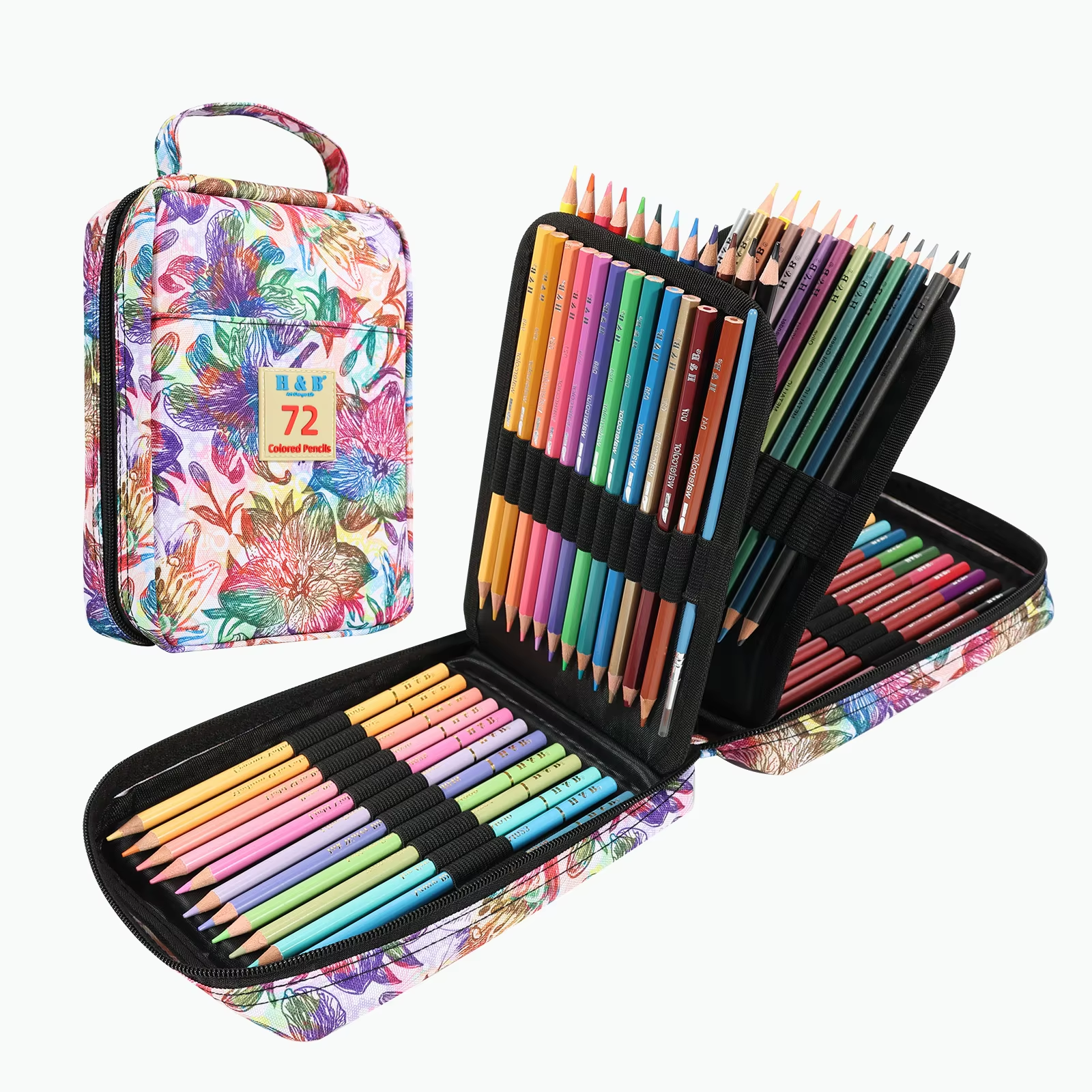
Durable packaging protects watercolor pencils during international shipping and retail distribution while presenting an attractive appearance to consumers. Tin boxes offer superior protection against moisture and physical damage compared to cardboard alternatives, making them preferred choices for premium watercolor pencils sets. The packaging should include individual slots or foam inserts that prevent pencils from moving during transport, reducing breakage rates and associated costs for importers.
Moisture-resistant packaging prevents humidity damage that can affect the water solubility characteristics of watercolor pencils during storage and transport. Sealed packaging systems with desiccant packets help maintain optimal product conditions in various climate zones, ensuring consistent performance regardless of destination markets. Importers operating in humid regions should prioritize suppliers who provide comprehensive moisture protection throughout their watercolor pencils product lines.
Set Configuration and Color Selection
Standard set configurations for watercolor pencils typically include 12, 24, 36, 48, and 72 color options, with each configuration targeting specific market segments and price points. Educational markets often prefer smaller sets with basic color selections, while professional artists gravitate toward comprehensive sets with specialized colors and multiple tints of popular shades. Importers should analyze their target demographics to determine optimal set configurations that balance variety with cost-effectiveness.
Color selection within watercolor pencils sets should include essential primary and secondary colors alongside earth tones and specialized shades that expand creative possibilities. Balanced color palettes enable users to mix additional colors while providing ready-to-use options for common artistic applications. Premium sets may include metallic or iridescent colors that add value and differentiate products from basic alternatives in competitive markets.
Manufacturing Quality Control Standards
Consistency Testing Protocols
Reliable manufacturers implement comprehensive quality control protocols that ensure watercolor pencils meet specified standards across all production batches. Color matching systems verify that each pencil maintains consistent hue, saturation, and lightness values compared to established color standards. These protocols prevent color variations that can frustrate artists and damage brand reputation in competitive markets.
Core centering and wood casing alignment directly impact the usability and professional appearance of watercolor pencils. Quality control measures should include dimensional checks that verify proper core placement within wooden casings, preventing off-center cores that cause uneven sharpening and poor performance. Importers benefit from requesting quality control documentation and sample testing results before committing to large volume purchases.
Environmental and Safety Compliance
Modern watercolor pencils must comply with international safety standards, particularly for educational markets where children may be exposed to the products. Non-toxic formulations and AP (Approved Product) seals from recognized safety organizations provide assurance to importers and end consumers regarding product safety. Compliance documentation should be readily available and updated regularly to reflect current regulatory requirements in target markets.
Sustainable manufacturing practices increasingly influence purchasing decisions for environmentally conscious consumers and institutions. Watercolor pencils produced using responsibly sourced wood casings and eco-friendly production methods appeal to markets that prioritize environmental sustainability. Importers should evaluate suppliers' environmental certifications and sustainable practices as part of their overall supplier assessment process.
Market-Specific Considerations for Importers
Educational Market Requirements
Educational institutions require watercolor pencils that withstand frequent use by students while maintaining consistent performance throughout the school year. Durability testing should verify that cores resist breaking under normal classroom conditions and that color intensity remains stable across multiple uses. Educational-grade watercolor pencils often prioritize value and reliability over premium features, making cost-effectiveness a critical specification for this market segment.
Washability features appeal to educational markets where easy cleanup is essential for classroom management. Watercolor pencils that wash easily from hands, clothing, and surfaces reduce concerns about mess and staining, making them more acceptable to teachers and administrators. Non-staining formulations specifically designed for educational use can command premium pricing while addressing practical classroom needs.
Professional Artist Market Demands
Professional artists demand watercolor pencils with superior pigment quality, extended lightfastness ratings, and consistent performance characteristics that support their artistic vision. These users are willing to pay premium prices for products that meet professional standards and enhance their creative capabilities. Importers targeting this market segment should prioritize watercolor pencils with artist-grade pigments and comprehensive color ranges that satisfy demanding professional applications.
Professional markets value detailed product information including pigment composition, lightfastness ratings, and technical specifications that inform purchasing decisions. Comprehensive product documentation and artist testimonials can differentiate premium watercolor pencils from mass-market alternatives. Importers should work with manufacturers to develop detailed specification sheets and marketing materials that communicate professional-grade features effectively.
FAQ
What is the ideal pigment concentration for quality watercolor pencils?
Quality watercolor pencils should contain 30-50% pigment concentration to provide vibrant colors and adequate coverage when activated with water. Higher pigment concentrations result in more intense colors and better opacity, while lower concentrations may appear washed out or require multiple applications to achieve desired color depth.
How do importers verify water solubility performance before purchasing?
Importers should request sample sets from manufacturers and conduct water activation tests on various paper types using brushes and water application techniques. Quality watercolor pencils should dissolve smoothly and completely when water is applied, creating even washes without leaving visible pencil strokes or granular residue that indicates poor formulation.
What packaging features are most important for international shipping?
Moisture-resistant packaging with individual pencil slots or protective foam inserts prevents damage during international transport. Tin boxes offer superior protection compared to cardboard alternatives, while sealed packaging systems with desiccant packets maintain optimal product conditions across different climate zones and storage environments.
How do safety standards vary between educational and professional watercolor pencils?
Educational watercolor pencils must meet stricter safety standards including non-toxic certifications and AP seals from recognized safety organizations, as they may be used by children. Professional-grade products focus more on pigment quality and performance characteristics, though they still must comply with basic safety requirements for art materials in their target markets.
Table of Contents
- Core Composition and Pigment Quality Standards
- Water Solubility and Activation Properties
- Packaging and Presentation Requirements
- Manufacturing Quality Control Standards
- Market-Specific Considerations for Importers
-
FAQ
- What is the ideal pigment concentration for quality watercolor pencils?
- How do importers verify water solubility performance before purchasing?
- What packaging features are most important for international shipping?
- How do safety standards vary between educational and professional watercolor pencils?