
 EN
EN
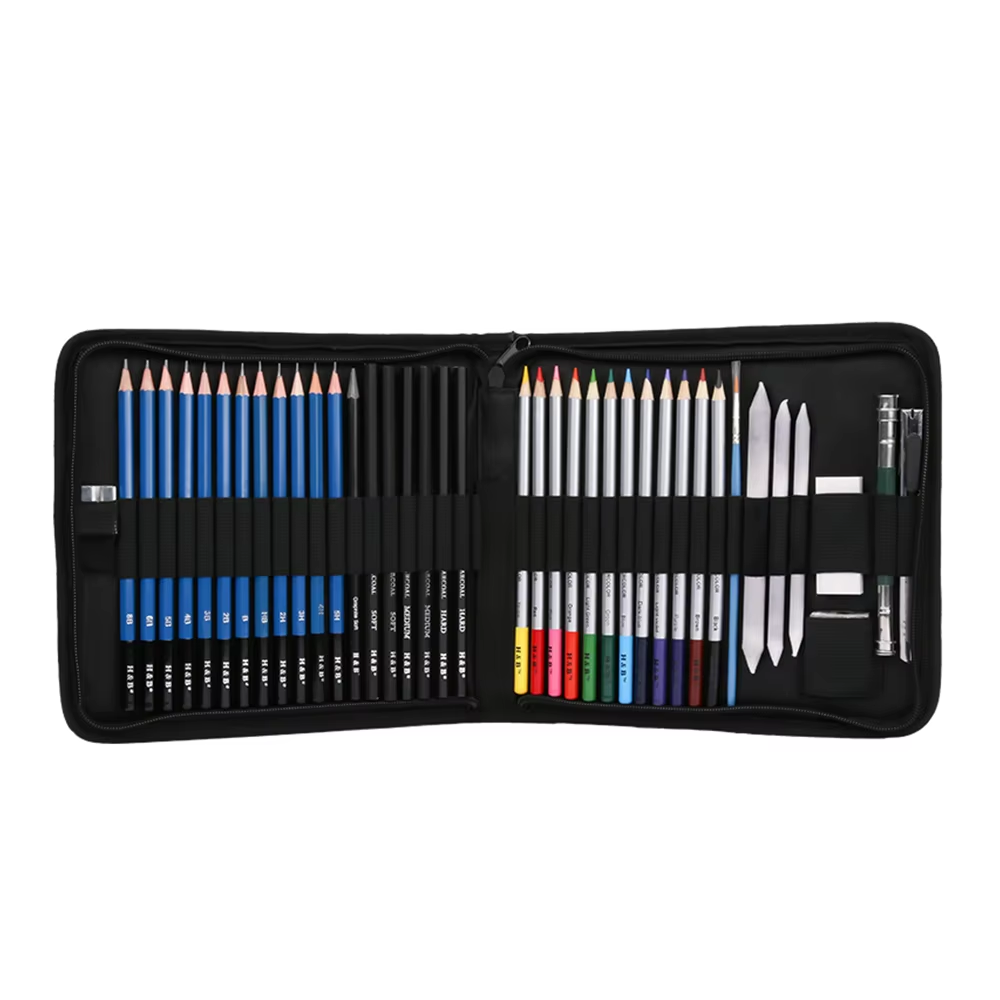
Drawing pencils serve as the fundamental foundation for achieving consistent sketching results across all artistic endeavors. Professional artists and hobbyists alike recognize that the quality and characteristics of drawing pencils directly influence the precision, shading capabilities, and overall visual impact of their artwork. These specialized tools offer superior graphite consistency, controlled hardness variations, and reliable performance that standard writing pencils simply cannot match in artistic applications.
Graphite Grade Consistency and Control
Understanding Hardness Variations
Drawing pencils provide artists with precise control over graphite hardness through standardized grading systems. The H scale indicates harder graphite compositions that create lighter, more precise lines, while the B scale represents softer graphite that produces darker, richer tones. This systematic approach allows artists to select the exact drawing pencils needed for specific techniques, ensuring consistent results across different sketching sessions and projects.
Professional drawing pencils maintain uniform graphite distribution throughout their cores, eliminating the inconsistencies found in regular writing instruments. This reliability becomes crucial when artists need to create smooth gradations, detailed line work, or consistent shading patterns. The controlled manufacturing processes used for quality drawing pencils ensure that each grade performs predictably, allowing artists to develop muscle memory and technique confidence over time.
Predictable Mark-Making Capabilities
The consistent graphite formulation in drawing pencils enables artists to achieve repeatable mark-making results. Whether creating fine detail work with hard grades or broad tonal areas with soft graphite, these specialized tools respond predictably to varying pressure applications. This reliability forms the backbone of professional sketching techniques, where artists must trust their tools to perform consistently under different working conditions.
Quality drawing pencils also maintain their performance characteristics throughout their lifespan, providing steady graphite flow and consistent mark darkness. This stability allows artists to focus on their creative process rather than compensating for unpredictable tool behavior, ultimately leading to more confident and accomplished sketching results.
Blending and Shading Performance
Smooth Graphite Layering
Drawing pencils excel in creating seamless graphite layers that blend harmoniously for realistic shading effects. The refined graphite particles in professional drawing pencils deposit evenly on paper surfaces, facilitating smooth transitions between light and dark areas. This capability proves essential for creating dimensional forms, atmospheric perspective, and subtle value gradations that bring sketches to life.
The controlled softness of B-grade drawing pencils allows for effortless blending using various techniques including finger blending, blending stumps, or tissue paper. This versatility enables artists to achieve different textural effects and atmospheric qualities within their sketches, contributing to more sophisticated and professional-looking results.
Tonal Range Achievement
Professional drawing pencils offer extensive tonal ranges from the lightest possible marks to deep, rich blacks. This broad value spectrum provides artists with the tools necessary to capture subtle lighting conditions, create dramatic contrasts, and establish clear focal points within their compositions. The ability to access this full tonal range consistently makes drawing pencils indispensable for serious sketching work.
The gradual transition capabilities between different graphite grades allow artists to create smooth value progressions without harsh breaks or inconsistencies. This seamless tonal control enables more realistic rendering of three-dimensional forms, textures, and lighting effects that elevate sketching quality significantly.
Precision and Detail Capabilities
Fine Line Control
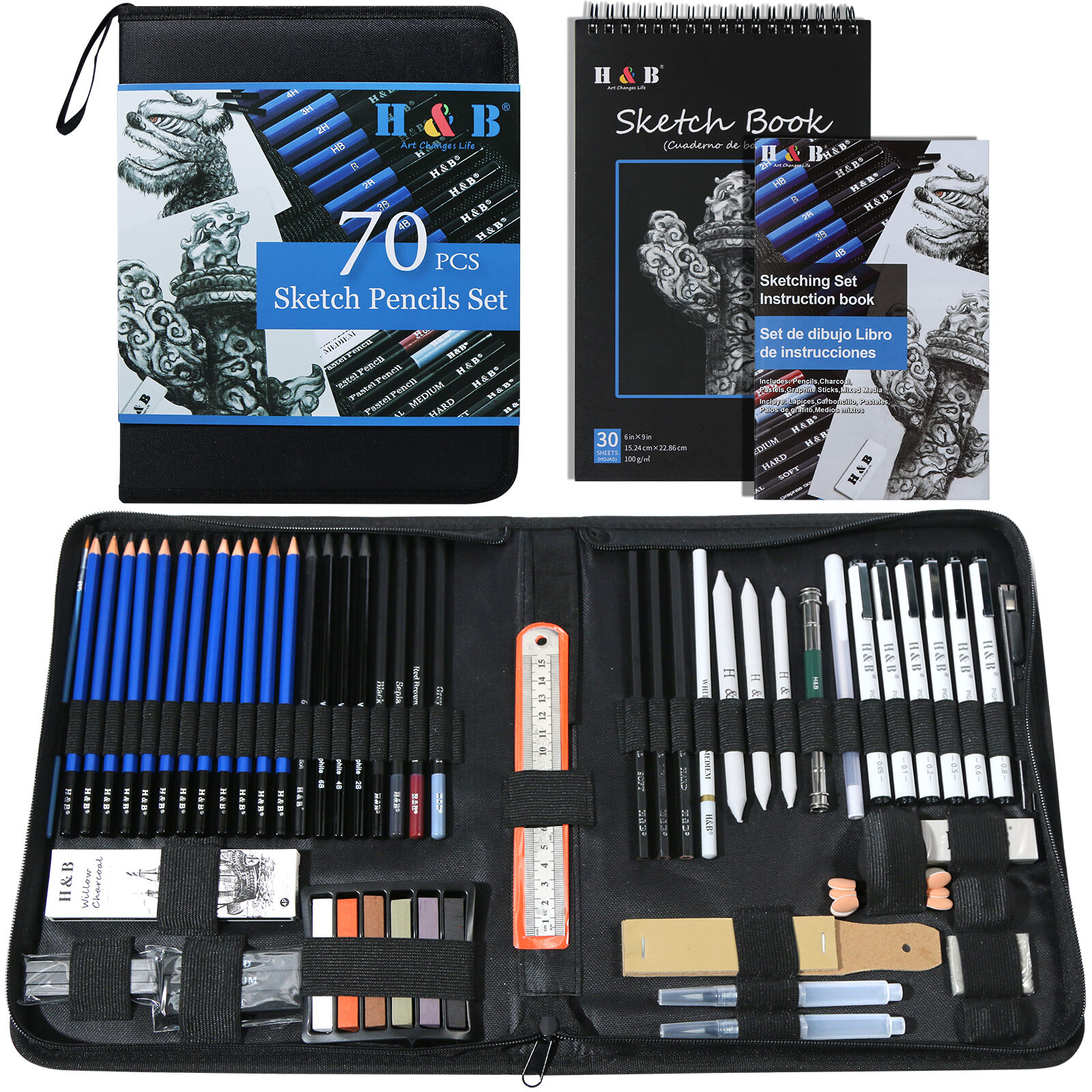
Drawing pencils maintain sharp points longer than standard pencils, enabling sustained precision work without frequent sharpening interruptions. The harder graphite grades particularly excel at maintaining fine points for detailed line work, architectural drawings, and intricate pattern creation. This extended point retention allows artists to work more efficiently while maintaining consistent line quality throughout extended sketching sessions.
The controlled graphite composition in drawing pencils prevents crumbling and breaking during detailed work, ensuring clean, precise lines even under varying pressure applications. This reliability becomes crucial when creating technical illustrations, portrait details, or any artwork requiring high precision standards.
Edge Definition and Clarity
Quality drawing pencils produce clean, well-defined edges that enhance overall sketch clarity and visual impact. The consistent graphite flow prevents patchy or streaky marks that can detract from artistic intent, instead delivering smooth, even lines that accurately represent the artist's vision. This edge quality proves particularly important for contour drawings, gesture sketches, and any work requiring clear shape definition.
The superior edge definition capabilities of drawing pencils also contribute to better contrast relationships within sketches, helping to establish clear separations between different elements and improving overall composition readability.
Durability and Longevity Factors
Core Strength and Stability
Drawing pencils feature stronger graphite cores that resist breaking under normal sketching pressures, reducing frustrating interruptions during creative work. The manufacturing processes used for professional drawing pencils create more cohesive graphite-clay mixtures that maintain structural integrity throughout the pencil's lifespan. This durability allows artists to apply varying pressure techniques without concern for core failure.
The enhanced core strength also enables artists to use drawing pencils for textural techniques like cross-hatching, stippling, and aggressive mark-making without experiencing premature wear or breakage. This reliability supports more expressive and dynamic sketching approaches while maintaining tool performance.
Consistent Performance Over Time
Professional drawing pencils maintain their performance characteristics throughout their entire usable life, providing consistent results from the first mark to the final stub. This stability allows artists to develop familiarity with specific grades and brands, building confidence in their tool choices for different applications. The predictable aging characteristics of quality drawing pencils support long-term artistic development and skill refinement.
The wood casings of premium drawing pencils also contribute to overall durability, protecting the graphite core while providing comfortable grip surfaces that don't deteriorate quickly with regular use. This construction quality ensures that drawing pencils remain functional tools throughout extended creative projects.
Professional Applications and Versatility
Multi-Technique Compatibility
Drawing pencils adapt seamlessly to various sketching techniques, from quick gesture drawings to detailed realistic renderings. Their versatile nature allows artists to switch between different approaches within a single artwork, using hard grades for initial construction lines and soft grades for final shading and detail work. This flexibility makes drawing pencils essential tools for comprehensive artistic expression.
The compatibility of drawing pencils with different paper textures and surfaces expands their utility across various artistic applications. Whether working on smooth drawing paper, textured surfaces, or specialty art papers, quality drawing pencils maintain their performance characteristics and deliver consistent results.
Industry Standard Requirements
Professional art education programs, commercial illustration work, and fine art practices universally recognize drawing pencils as essential tools for serious artistic development. The standardized grading systems and consistent performance characteristics of drawing pencils make them indispensable for meeting industry quality expectations and professional presentation standards.
The archival quality of professional drawing pencils ensures that artwork created with these tools maintains its appearance over time, meeting conservation standards required for gallery exhibitions, portfolio presentations, and commercial applications. This longevity factor makes drawing pencils crucial investments for artists building professional careers.
FAQ
What makes drawing pencils different from regular writing pencils for sketching purposes
Drawing pencils contain specially formulated graphite mixtures designed for artistic applications, offering superior consistency, broader tonal ranges, and better blending capabilities compared to standard writing pencils. The manufacturing processes ensure uniform graphite distribution and controlled hardness variations that regular pencils cannot match for artistic work.
How do I choose the right drawing pencil grades for different sketching techniques
Select harder grades (H series) for initial construction lines, fine details, and light shading work, while choosing softer grades (B series) for darker tones, heavy shading, and expressive mark-making. Most artists benefit from having a range of grades available, typically from 2H to 6B, allowing complete tonal control within their sketches.
Can drawing pencils be used effectively on different types of paper surfaces
Quality drawing pencils perform consistently across various paper textures and weights, adapting to smooth drawing papers, textured surfaces, and specialty art papers. The key is matching pencil pressure and technique to the paper characteristics while maintaining the consistent performance that makes drawing pencils essential for reliable sketching results.
Why do professional artists prefer drawing pencil sets over individual pencils
Complete drawing pencil sets provide artists with comprehensive grade ranges that ensure tonal continuity and technique versatility within single projects. Having multiple grades readily available eliminates workflow interruptions and enables seamless transitions between different sketching approaches, ultimately contributing to more consistent and professional results.
Table of Contents
- Graphite Grade Consistency and Control
- Blending and Shading Performance
- Precision and Detail Capabilities
- Durability and Longevity Factors
- Professional Applications and Versatility
-
FAQ
- What makes drawing pencils different from regular writing pencils for sketching purposes
- How do I choose the right drawing pencil grades for different sketching techniques
- Can drawing pencils be used effectively on different types of paper surfaces
- Why do professional artists prefer drawing pencil sets over individual pencils