
 EN
EN
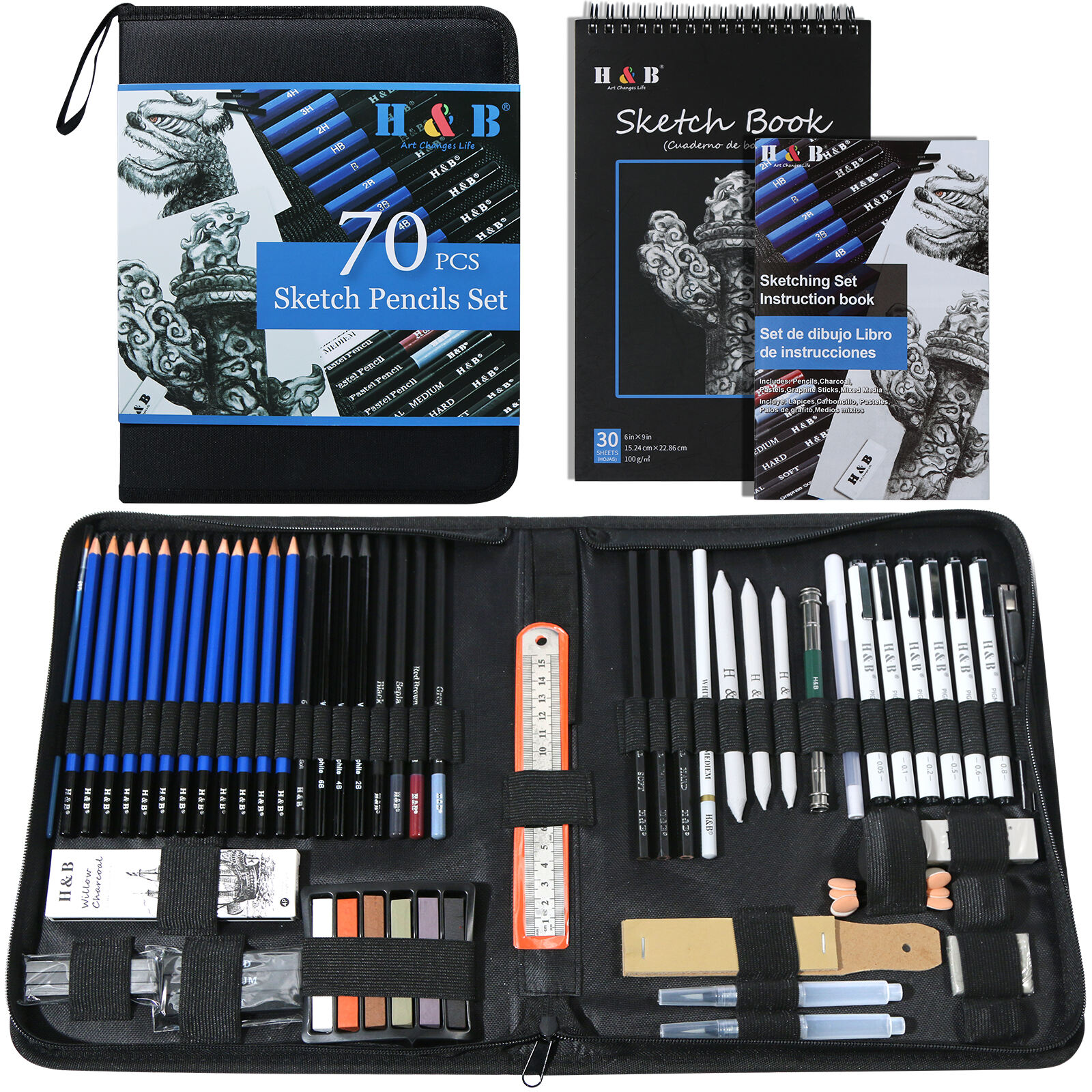
Understanding drawing pencil grades is fundamental for any artist seeking to create detailed illustrations with precision and depth. The graphite grading system ranges from hard pencils that produce light, precise lines to soft pencils that create rich, dark tones. Professional illustrators rely on this knowledge to select the appropriate pencil hardness for each stage of their artwork, ensuring optimal results in their detailed compositions. The choice of pencil grade directly impacts line quality, shading capabilities, and the overall visual impact of an illustration.
Understanding the Graphite Grading System
Hard Pencil Classifications
Hard pencils in the drawing pencil grades spectrum are designated with the letter H, ranging from H to 9H, with 9H being the hardest. These pencils contain more clay in their graphite mixture, resulting in lighter marks and greater precision. Hard pencils excel in creating fine details, construction lines, and preliminary sketches where accuracy is paramount. Artists frequently use H-grade pencils for architectural drawings, technical illustrations, and the initial framework of detailed portraits.
The harder the pencil, the more pressure required to achieve visible marks on paper. This characteristic makes hard drawing pencil grades ideal for situations where subtle guidelines are needed without overwhelming the final artwork. Professional illustrators often begin their detailed work with 2H or 3H pencils to establish proportions and basic shapes before progressing to softer grades for refinement and shading.
Soft Pencil Characteristics
Soft pencils are marked with the letter B, ranging from B to 9B, with 9B being the softest. These drawing pencil grades contain more graphite and less clay, producing darker, richer marks with less pressure. Soft pencils are essential for creating dramatic shadows, deep tones, and expressive line work in detailed illustrations. The graphite deposits more readily onto paper, allowing for smooth gradations and intense black values.
Artists working on detailed illustrations benefit from the versatility of B-grade pencils, which can produce both fine lines when sharpened to a point and broad strokes when used at an angle. The ability to layer graphite builds up rich, complex tones that add depth and dimension to artwork. Understanding how different drawing pencil grades respond to various paper textures is crucial for achieving desired effects in detailed work.
Optimal Pencil Selection for Detailed Work
Initial Sketching and Layout
The foundation of any detailed illustration begins with proper pencil selection for the initial sketching phase. Hard drawing pencil grades, particularly 2H and 3H, provide the ideal starting point for establishing composition and proportions. These pencils create light, easily erasable lines that won't interfere with subsequent layers of graphite. The precision offered by harder grades ensures accurate placement of key elements before committing to darker, more permanent marks.
Professional illustrators often use a systematic approach, beginning with the hardest practical grade for their initial layout. This method allows for multiple revisions and adjustments without creating a muddy appearance in the final artwork. The light marks produced by hard drawing pencil grades serve as a roadmap for the detailed rendering that follows, providing structure while remaining virtually invisible in the completed illustration.
Mid-tone Development
After establishing the basic framework, artists transition to medium drawing pencil grades such as HB, F, and 2B for developing mid-tones and refining details. These grades offer a balance between the precision of hard pencils and the richness of soft pencils, making them versatile tools for detailed illustration work. The HB pencil, in particular, serves as an excellent all-purpose grade for general sketching and detail work.
The F grade pencil deserves special attention in detailed work, as it maintains a fine point longer than softer grades while producing darker marks than H pencils. This characteristic makes F-grade pencils ideal for intricate linework and fine details that require both precision and visibility. When working on drawing pencil grades, artists often find that F pencils bridge the gap between construction lines and finished details effectively.
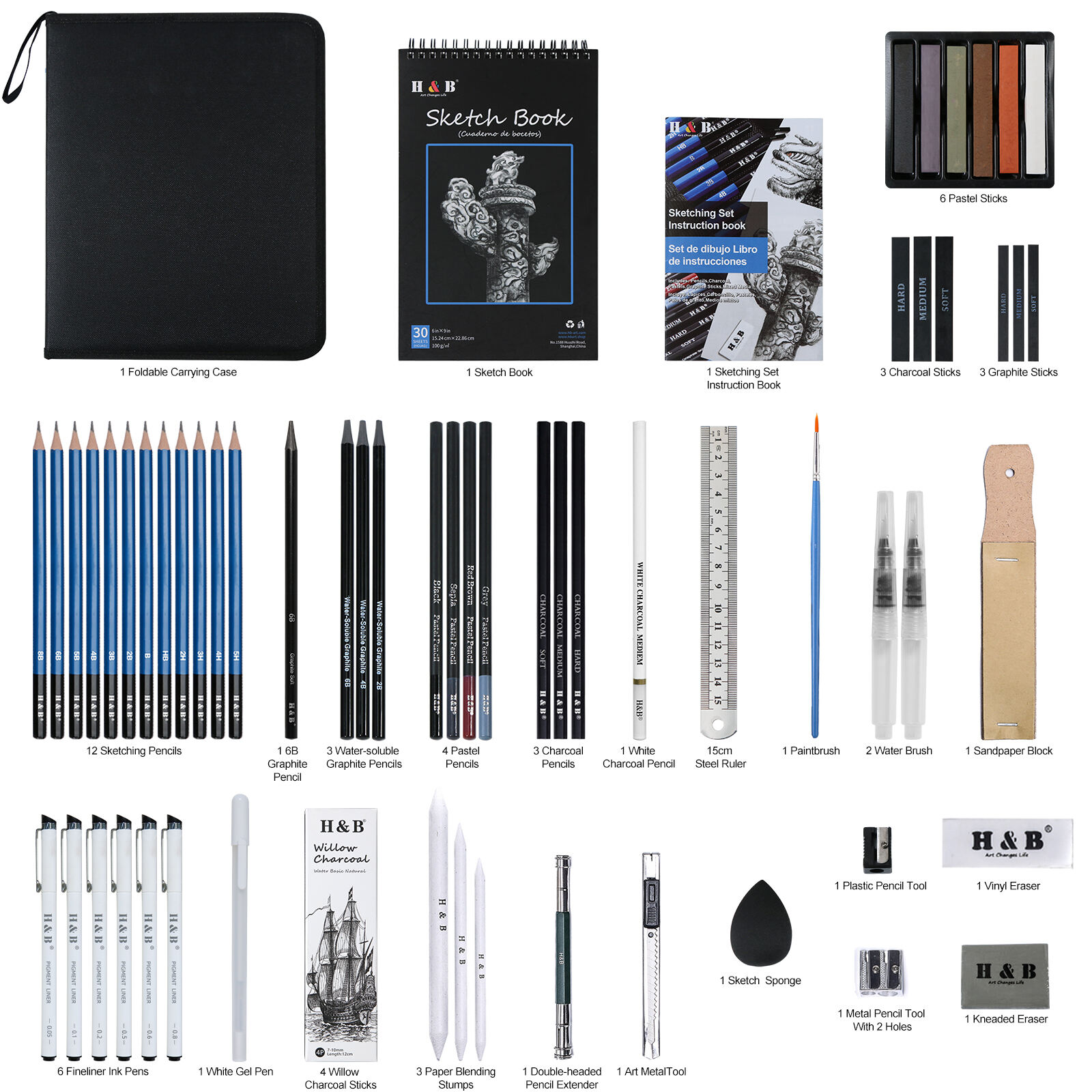
Advanced Techniques for Grade Selection
Layering and Blending Methods
Mastering the art of layering different drawing pencil grades creates depth and richness in detailed illustrations. Professional artists employ a systematic approach, building up tones gradually from light to dark using progressively softer pencils. This technique prevents the paper grain from becoming filled too quickly, maintaining the ability to add fine details throughout the rendering process.
The key to successful layering lies in understanding how different drawing pencil grades interact with one another. Starting with harder grades establishes the light and medium tones, while softer grades add the darkest values and final details. This progressive approach ensures smooth transitions and prevents the harsh contrasts that can result from jumping between drastically different grades too quickly.
Paper Texture Considerations
The choice of paper texture significantly influences how drawing pencil grades perform in detailed work. Smooth papers, such as hot-pressed watercolor paper or drawing vellum, allow for extremely fine detail work with harder pencils while still accepting softer grades for tonal work. The smooth surface enables precise line control and subtle gradations that are essential for highly detailed illustrations.
Textured papers interact differently with various drawing pencil grades, often requiring adjustments in technique and grade selection. Medium-tooth papers provide enough texture to hold graphite effectively while still allowing for detailed work, making them popular choices for portrait and still-life illustrations. Understanding how your chosen paper responds to different pencil grades is crucial for predicting and controlling the final appearance of detailed artwork.
Professional Applications and Industry Standards
Architectural and Technical Drawing
In architectural and technical illustration, specific drawing pencil grades serve standardized purposes that ensure consistency and readability. Hard pencils, typically ranging from 2H to 6H, create construction lines, dimension lines, and fine details that require precision without visual dominance. These applications demand pencils that maintain sharp points and produce consistent line weights throughout extended drawing sessions.
Technical illustrators often work with predetermined line weight standards that correspond to specific drawing pencil grades. This systematic approach ensures that drawings can be reproduced accurately and meet industry requirements for clarity and precision. The standardization of pencil grade usage in technical fields demonstrates the importance of understanding how different grades perform in professional applications.
Portrait and Figure Drawing
Portrait artists rely heavily on the full range of drawing pencil grades to capture the subtle tonal variations that bring faces to life. The detailed nature of portrait work requires careful selection of pencil grades for different areas of the face, with harder grades used for fine details like eyelashes and hair texture, while softer grades create the deep shadows and rich tones that provide dimension.
Figure drawing presents unique challenges that benefit from strategic use of various drawing pencil grades. The human form requires both precise anatomical accuracy and expressive mark-making, demanding a thorough understanding of how different grades can be employed to achieve these dual objectives. Professional figure artists often maintain multiple pencils of different grades simultaneously, switching between them as needed to achieve the desired effects.
Maintenance and Longevity
Proper Sharpening Techniques
The effectiveness of different drawing pencil grades depends significantly on proper maintenance and sharpening techniques. Hard pencils require frequent sharpening to maintain their precision, while soft pencils need careful handling to prevent breakage and maintain usable points. Understanding the optimal sharpening methods for each grade ensures consistent performance throughout the drawing process.
Professional artists often employ different sharpening tools for various drawing pencil grades, using mechanical sharpeners for harder pencils and sandpaper blocks for softer grades. This approach allows for customized point shapes that optimize each grade's performance for specific applications. The investment in proper sharpening tools and techniques pays dividends in improved drawing quality and reduced frustration during detailed work.
Storage and Organization
Organizing and storing drawing pencil grades properly extends their lifespan and maintains their performance characteristics. Professional artists often arrange their pencils by grade, making selection quick and intuitive during the drawing process. Proper storage prevents damage to pencil points and reduces the time spent on maintenance during drawing sessions.
Climate control plays a role in maintaining drawing pencil grades, as extreme temperatures and humidity can affect the graphite and wood casing. Professional studios often maintain controlled environments that preserve pencil quality and ensure consistent performance. This attention to storage details reflects the serious approach required for professional-level detailed illustration work.
FAQ
Which drawing pencil grades are essential for beginners working on detailed illustrations
Beginners should start with a basic set including 2H, HB, 2B, and 4B pencils. This range covers the essential drawing pencil grades needed for most detailed work, providing hard pencils for initial sketching, medium grades for general drawing, and soft pencils for shading and dark accents. As skills develop, additional grades can be added to expand tonal range and precision capabilities.
How do drawing pencil grades affect the longevity of detailed artwork
The choice of drawing pencil grades significantly impacts artwork longevity, with harder grades generally providing more permanent marks that resist smudging and fading. Softer grades, while excellent for rich tones, may require fixative application to prevent smudging and graphite migration over time. Proper paper selection and protective measures are essential regardless of the pencil grades used in detailed illustrations.
Can mixing different brands of drawing pencil grades affect illustration quality
Mixing brands of drawing pencil grades can create inconsistencies in tone and texture due to variations in manufacturing standards and graphite formulations. While high-quality brands generally maintain similar characteristics within their grade systems, subtle differences may be noticeable in detailed work. Professional artists often standardize on a single brand for consistency, though experimentation with different manufacturers can yield interesting artistic effects.
What environmental factors should be considered when selecting drawing pencil grades for detailed work
Environmental factors such as humidity, temperature, and paper storage conditions affect how drawing pencil grades perform in detailed illustrations. High humidity can cause paper expansion and affect graphite adhesion, while low humidity may increase static and cause eraser crumbs to cling to the work surface. Temperature variations can affect pencil hardness slightly, with colder conditions making pencils feel harder and warmer conditions making them feel softer.
Table of Contents
- Understanding the Graphite Grading System
- Optimal Pencil Selection for Detailed Work
- Advanced Techniques for Grade Selection
- Professional Applications and Industry Standards
- Maintenance and Longevity
-
FAQ
- Which drawing pencil grades are essential for beginners working on detailed illustrations
- How do drawing pencil grades affect the longevity of detailed artwork
- Can mixing different brands of drawing pencil grades affect illustration quality
- What environmental factors should be considered when selecting drawing pencil grades for detailed work