
 EN
EN
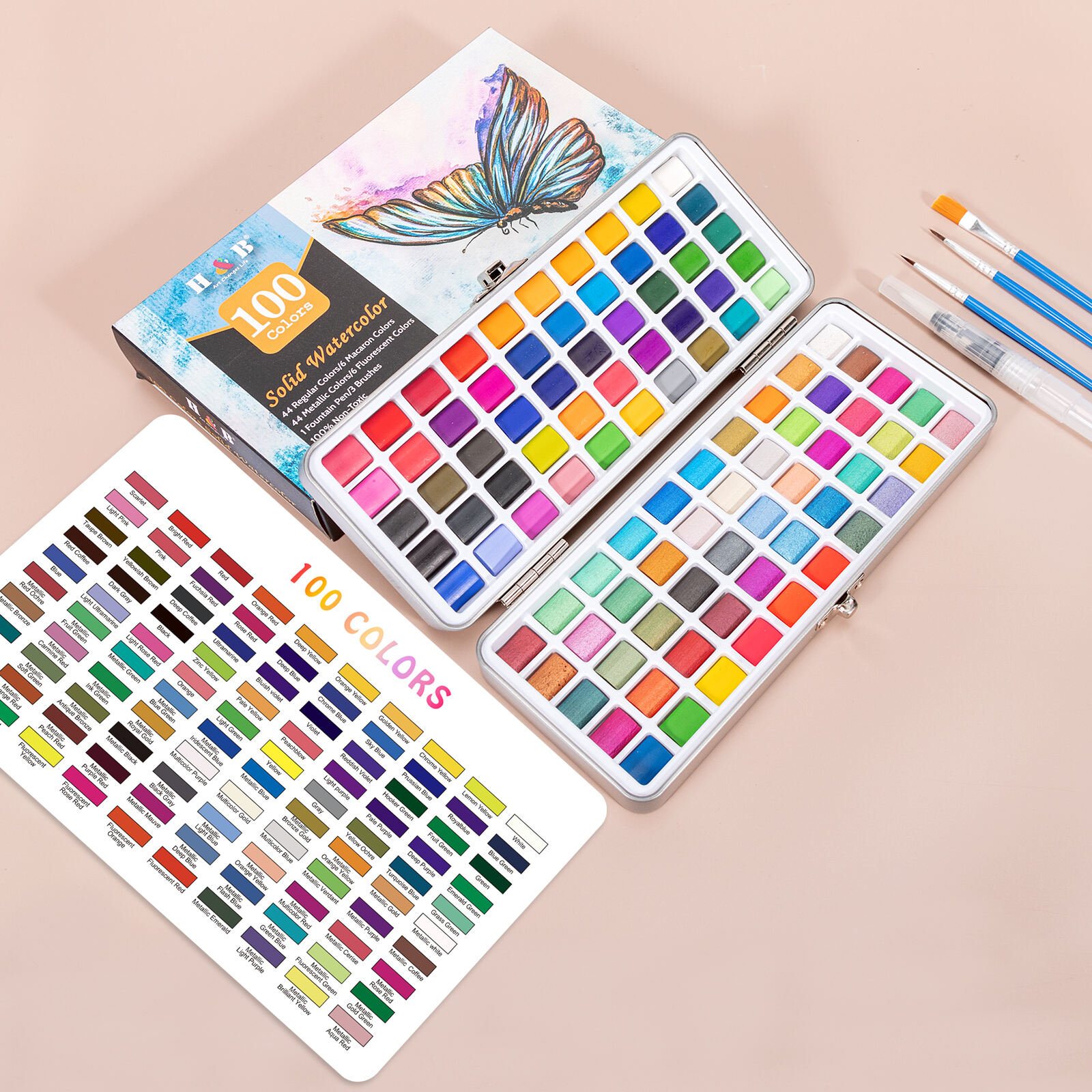
Artists seeking exceptional results in their watercolor work must understand the complex interplay of factors that determine watercolor paint color vibrancy and overall stability. The quality and longevity of watercolor artwork depend heavily on the pigment composition, binding agents, and manufacturing processes that create each tube or pan of paint. Professional artists and educators recognize that watercolor paint color vibrancy serves as a cornerstone for creating compelling visual narratives that maintain their impact over time.
Pigment Quality and Composition
Natural Versus Synthetic Pigment Sources
The foundation of watercolor paint color vibrancy lies in the pigments themselves, which can be derived from natural minerals, synthetic compounds, or organic materials. Natural pigments such as ultramarine blue, derived from lapis lazuli, often provide unique color characteristics that synthetic alternatives struggle to replicate. However, modern synthetic pigments frequently offer superior lightfastness and consistency, making them preferred choices for professional applications where watercolor paint color vibrancy must endure extended exposure to environmental factors.
Synthetic pigments undergo rigorous quality control processes that ensure batch-to-batch consistency, a crucial factor for artists working on long-term projects. The molecular structure of synthetic pigments can be engineered to optimize light absorption and reflection properties, directly influencing the perceived intensity and purity of the resulting colors. Understanding these differences helps artists make informed decisions about which pigments best serve their creative objectives while maintaining watercolor paint color vibrancy throughout the artistic process.
Pigment Particle Size and Distribution
The physical characteristics of pigment particles significantly impact how colors appear on paper and interact with light. Finely ground pigments typically produce more intense, saturated colors because they create smoother surfaces that reflect light more uniformly. Conversely, coarser pigments may create textural effects and granulation that some artists prefer for specific techniques, though these characteristics can affect overall watercolor paint color vibrancy in subtle but important ways.
Manufacturing processes that ensure optimal particle size distribution contribute to consistent color release and mixing properties. When pigment particles are uniformly sized within appropriate ranges, the resulting paints demonstrate improved flow characteristics and more predictable behavior during wet-on-wet and wet-on-dry techniques. This consistency directly supports sustained watercolor paint color vibrancy across various application methods and environmental conditions.
Binding Agents and Medium Composition
Gum Arabic Quality and Processing
Gum arabic serves as the primary binding agent in traditional watercolor formulations, and its quality directly influences paint performance and longevity. High-grade gum arabic, typically sourced from Acacia senegal trees, provides superior adhesion properties while maintaining the transparency that allows watercolor paint color vibrancy to shine through multiple layers. The processing methods used to refine gum arabic affect its solubility, viscosity, and ability to suspend pigment particles evenly throughout the paint medium.
The molecular structure of properly processed gum arabic creates a flexible film that expands and contracts with environmental changes without cracking or flaking. This flexibility preserves the integrity of the pigment layer, ensuring that watercolor paint color vibrancy remains stable over time. Additionally, high-quality gum arabic maintains optimal rewetting properties, allowing artists to reactivate dried paint for blending and correction techniques without compromising color intensity.
Modern watercolor manufacturers often supplement gum arabic with carefully selected additives that enhance specific performance characteristics. These may include plasticizers that improve film flexibility, humectants that control drying rates, and surfactants that optimize flow properties. When properly balanced, these additives work synergistically with gum arabic to support consistent watercolor paint color vibrancy across diverse painting conditions and techniques.
Additive Systems and Performance Enhancement
Contemporary watercolor formulations incorporate sophisticated additive systems designed to optimize color performance and stability. These additives must be carefully selected and proportioned to avoid interfering with the natural transparency and working properties that define quality watercolor paints. Successful additive systems enhance watercolor paint color vibrancy while maintaining the medium's characteristic spontaneity and unpredictability that artists value.
Glycerin and honey serve as traditional humectants that slow drying rates and improve paint rewetting properties. These natural additives help maintain pigment mobility during extended working periods, allowing artists to achieve smooth gradations and seamless color transitions. The presence of appropriate humectant levels supports watercolor paint color vibrancy by preventing premature color settling and maintaining optimal viscosity for various painting techniques.
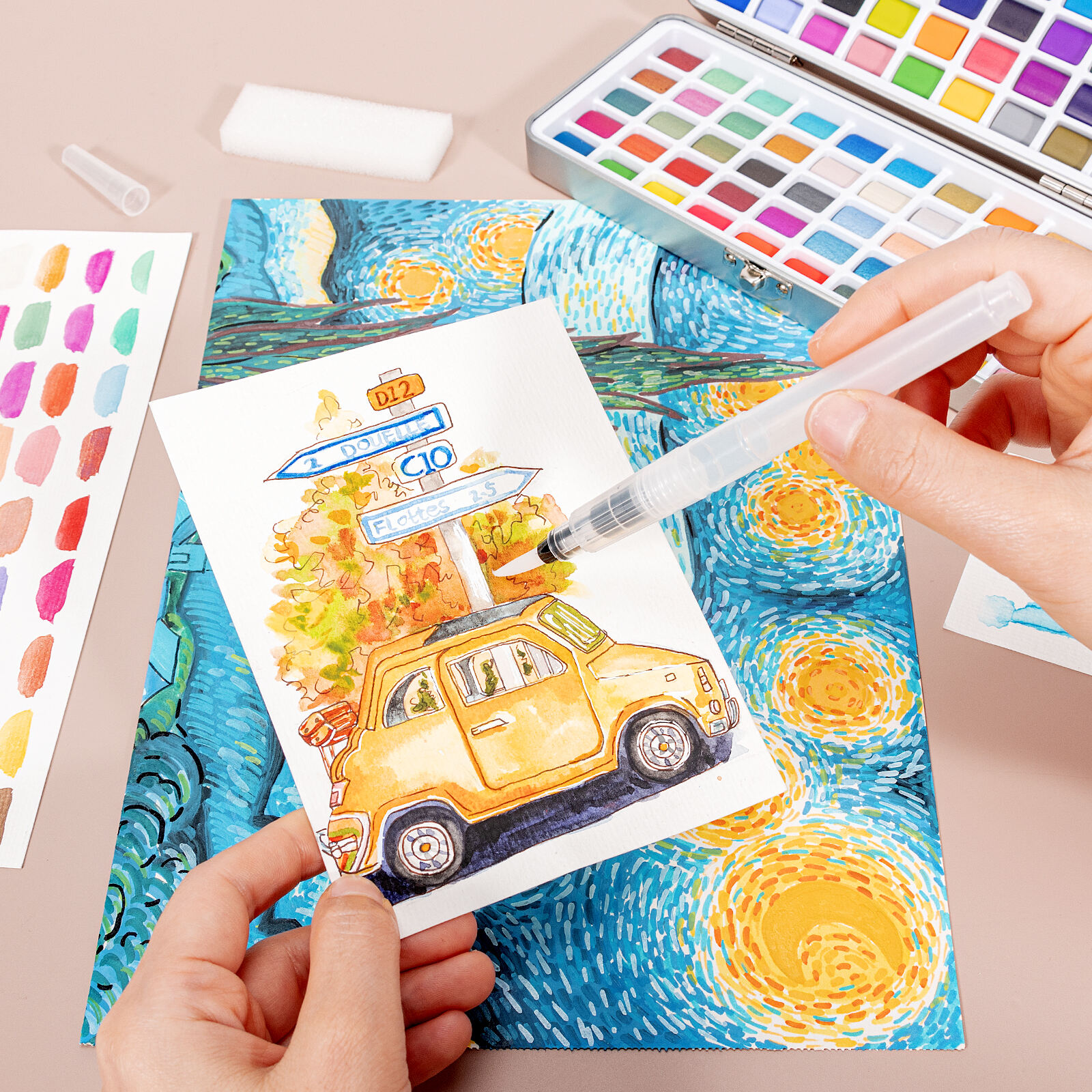
Manufacturing Standards and Quality Control
Production Environment and Consistency
Professional watercolor manufacturing requires controlled environments that minimize contamination and ensure consistent product quality. Temperature, humidity, and cleanliness standards during production directly affect the final paint properties, including color accuracy and stability. Manufacturers committed to producing paints with exceptional watercolor paint color vibrancy invest in sophisticated facility controls and quality assurance protocols that monitor every stage of the production process.
Batch testing procedures verify that each production run meets established standards for color strength, consistency, and performance characteristics. These tests typically include spectrophotometric analysis to ensure accurate color matching, viscosity measurements to confirm proper flow properties, and accelerated aging studies to predict long-term stability. Rigorous testing protocols help maintain the reputation for reliable watercolor paint color vibrancy that professional artists demand from premium paint brands.
Raw Material Sourcing and Verification
The quality of raw materials used in watercolor production significantly influences the final product's performance characteristics. Reputable manufacturers establish long-term relationships with verified suppliers who can consistently provide pigments and binding agents that meet strict quality specifications. Regular testing of incoming materials ensures that variations in raw material quality do not compromise watercolor paint color vibrancy in finished products.
Supply chain management becomes particularly critical for pigments that may be subject to natural variations or processing differences between suppliers. Effective quality control systems identify and address these variations before they impact production, maintaining the consistency that artists rely on for predictable watercolor paint color vibrancy across different tubes and production batches.
Paper Interaction and Surface Preparation
Paper Quality and Sizing Effects
The interaction between watercolor paints and paper surfaces profoundly affects color appearance and longevity. High-quality watercolor papers feature appropriate sizing that controls paint absorption rates and prevents excessive bleeding or feathering. Proper sizing allows pigments to settle on the paper surface in ways that optimize light reflection and maintain watercolor paint color vibrancy throughout the painting process.
Different paper textures and weights create varying effects on color appearance and paint behavior. Hot-pressed papers with smooth surfaces tend to produce more intense colors with sharp edges, while cold-pressed papers with moderate texture provide balanced performance for most techniques. Rough papers create distinctive textural effects that may enhance or modify perceived watercolor paint color vibrancy depending on the artist's intentions and technique choices.
Surface Preparation Techniques
Proper surface preparation enhances the interaction between watercolor paints and paper, supporting optimal color development and stability. Pre-wetting techniques, when appropriate, can help achieve smooth color gradations and prevent harsh edges that might detract from overall watercolor paint color vibrancy. Understanding when and how to prepare paper surfaces allows artists to achieve their intended visual effects while maintaining color integrity.
Environmental factors during painting, such as humidity and temperature, affect how paints interact with paper surfaces. Artists working in controlled studio environments often achieve more consistent results regarding watercolor paint color vibrancy compared to those working in variable outdoor conditions. However, experienced artists learn to adapt their techniques to different environmental conditions while maintaining acceptable color quality and stability.
Environmental Factors and Longevity
Light Exposure and Fading Resistance
Light exposure represents one of the most significant threats to long-term watercolor paint color vibrancy, as ultraviolet radiation can break down pigment molecules and cause irreversible color shifts. Different pigments exhibit varying degrees of lightfastness, with some maintaining their original appearance for decades while others may fade noticeably within months of exposure to bright light. Artists creating work intended for permanent display must carefully select pigments with proven lightfastness ratings.
Professional lightfastness testing involves exposing paint samples to controlled light sources for extended periods and measuring color changes using standardized protocols. These tests provide valuable data that helps artists and conservators predict how specific pigments will perform under various display conditions. Understanding lightfastness characteristics enables informed decisions about pigment selection for projects where maintaining watercolor paint color vibrancy over time is essential.
Humidity and Temperature Stability
Environmental humidity and temperature fluctuations can affect watercolor paint stability and appearance over time. High humidity levels may cause hygroscopic pigments to absorb moisture from the air, potentially leading to color changes or surface deterioration. Conversely, extremely dry conditions might cause brittle paint films that are susceptible to cracking or flaking, compromising watercolor paint color vibrancy and overall artwork integrity.
Temperature variations can cause expansion and contraction cycles that stress the paint film and its bond to the paper substrate. Repeated thermal cycling may eventually lead to paint failure or color shifts that diminish the original watercolor paint color vibrancy. Proper storage and display conditions that maintain stable temperature and humidity levels help preserve artwork quality and extend its useful life.
Application Techniques and Color Management
Layering and Transparency Control
Watercolor painting techniques significantly influence the final appearance and perceived intensity of colors. Proper layering techniques allow artists to build complex color relationships while maintaining transparency, a key characteristic that distinguishes watercolor from other painting media. Understanding how different pigments interact when layered helps artists achieve desired color effects while preserving watercolor paint color vibrancy throughout the painting process.
Glazing techniques, where thin, transparent layers are applied over dried paint, can enhance color depth and luminosity when executed properly. However, excessive layering or the use of inappropriate pigment combinations may result in muddy colors that diminish overall watercolor paint color vibrancy. Successful color management requires understanding both the optical properties of individual pigments and their behavior in combination with others.
Water Quality and Paint Dilution
The quality of water used for paint dilution affects color clarity and overall painting results. Hard water containing high mineral content may interfere with paint flow and color development, while distilled water provides neutral dilution that preserves intended color characteristics. Consistent water quality helps maintain predictable watercolor paint color vibrancy across different painting sessions and locations.
Proper paint dilution ratios are essential for achieving desired transparency levels while maintaining adequate color strength. Over-dilution can result in weak, washed-out colors, while insufficient dilution may produce paint that lacks the flowing qualities characteristic of watercolor techniques. Finding the optimal balance for different painting situations supports consistent watercolor paint color vibrancy and technical success.
FAQ
How do I identify high-quality watercolor paints that maintain color vibrancy
Look for paints that list specific pigment names rather than generic color descriptions on their labels, as this indicates transparency about ingredients. Professional-grade paints typically provide lightfastness ratings and pigment concentration information that help predict long-term performance. Test paints by creating graduated washes and observing how colors maintain their intensity when diluted, as high-quality paints should retain watercolor paint color vibrancy even in lighter applications.
What role does paper choice play in maintaining color vibrancy
Paper quality significantly affects color appearance and longevity, with acid-free papers providing superior archival properties that preserve watercolor paint color vibrancy over time. Properly sized papers control paint absorption rates, preventing colors from sinking into the fibers and losing their surface brilliance. The paper's surface texture also influences how light reflects from the painted surface, directly affecting perceived color intensity and visual impact.
Can environmental conditions during painting affect final color results
Yes, humidity and temperature during painting significantly influence paint behavior and final appearance. High humidity slows drying times and may cause colors to spread more than intended, while low humidity accelerates drying and can create hard edges or prevent smooth color gradations. Maintaining moderate, stable environmental conditions during painting helps ensure consistent watercolor paint color vibrancy and predictable paint behavior throughout the creative process.
How can I preserve watercolor paint color vibrancy in finished artwork
Protect finished watercolor paintings from direct sunlight and ultraviolet exposure, which cause gradual fading of many pigments over time. Display artworks in stable environmental conditions with moderate humidity and temperature levels to prevent paint film stress and deterioration. Consider using UV-filtering glazing materials when framing watercolor paintings for long-term display, as this provides additional protection while allowing viewers to appreciate the full watercolor paint color vibrancy of the original artwork.