
 EN
EN
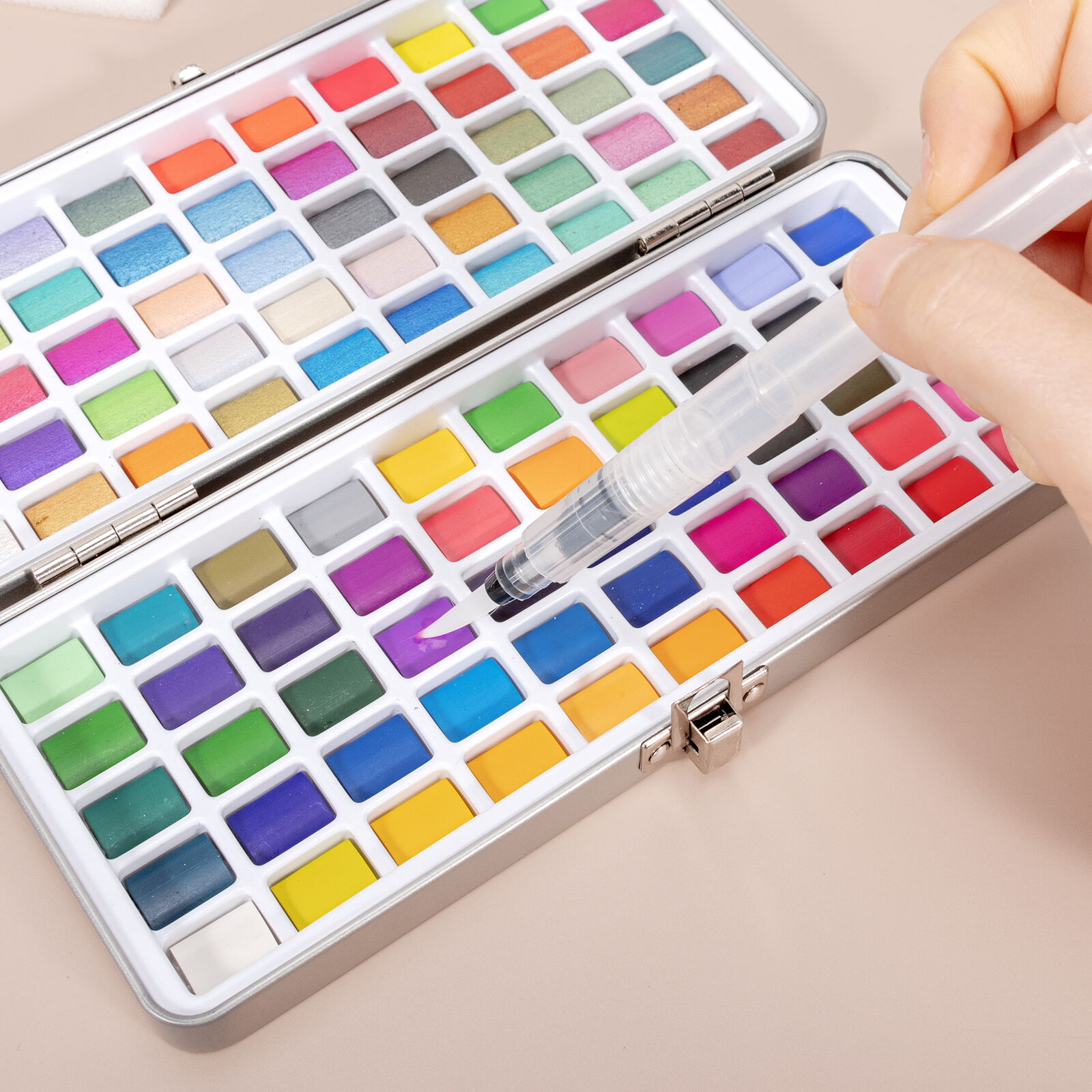
Professional artists understand that selecting the right watercolor paint can dramatically impact their creative output and artistic success. The quality, consistency, and performance characteristics of watercolor paint determine whether an artwork achieves its intended visual impact or falls short of expectations. Understanding the essential features that distinguish professional-grade watercolor paint from student alternatives empowers artists to make informed decisions that enhance their artistic practice and elevate their work to new levels of excellence.
Pigment Quality and Concentration
Pure Pigment Content
The foundation of exceptional watercolor paint lies in its pigment concentration and purity. Professional-grade watercolor paint contains significantly higher pigment loads compared to student alternatives, resulting in more vibrant colors and superior coverage. High-quality pigments maintain their intensity even when diluted extensively, allowing artists to achieve both bold statements and delicate washes with equal effectiveness. The pigment particles in premium watercolor paint are finely ground to ensure smooth application and consistent color distribution across the paper surface.
Artists working with professional watercolor paint notice immediate differences in color saturation and mixing capabilities. The concentrated pigments blend seamlessly to create clean secondary colors without the muddy appearance that often results from lower-quality paints. This characteristic proves particularly valuable when creating complex color harmonies or working with transparent glazing techniques that require multiple paint layers.
Lightfastness Ratings
Lightfastness represents a critical factor that professional artists cannot afford to overlook when selecting watercolor paint. This rating indicates how well colors resist fading when exposed to light over extended periods. Professional watercolor paint manufacturers test their products according to standardized protocols and provide clear lightfastness ratings, typically ranging from excellent to poor stability. Artists creating works intended for exhibition or sale must prioritize watercolor paint with excellent or very good lightfastness ratings to ensure their artwork maintains its visual integrity over time.
The pigment chemistry directly influences lightfastness performance, with certain organic and inorganic compounds demonstrating superior stability compared to others. Professional watercolor paint formulations favor pigments with proven track records of color permanence, even when this results in higher production costs. Artists investing in high-quality materials protect their artistic legacy and maintain professional credibility through careful attention to these permanence characteristics.
Transparency and Working Properties
Transparency Characteristics
Professional watercolor paint exhibits carefully controlled transparency levels that enable artists to execute sophisticated painting techniques with predictable results. The transparency rating of each color determines how it interacts with underlying layers and affects the overall luminosity of the finished work. Transparent watercolor paint allows light to pass through to the paper surface and reflect back through the paint layers, creating the characteristic glow that distinguishes watercolor from other painting media.
Understanding transparency properties helps artists plan their painting sequence and achieve desired visual effects. watercolor paint with varying transparency levels enables artists to create depth through strategic layering, with transparent colors serving as glazes and semi-transparent or opaque colors providing solid foundation elements. Professional formulations maintain consistent transparency characteristics across the entire color range, eliminating unpredictable variations that could compromise artistic intentions.
Flow and Leveling Properties
The flow characteristics of watercolor paint determine how smoothly it moves across paper surfaces and how evenly it settles during the drying process. Professional watercolor paint incorporates carefully balanced binder systems that promote optimal flow without excessive spreading or unwanted color migration. These working properties prove essential for techniques requiring controlled paint placement, such as wet-on-wet applications or precise detail work.
Superior leveling properties ensure that watercolor paint dries to an even finish without visible brushstrokes or texture variations that could distract from the intended artistic effect. Professional formulations achieve this balance through precise binder ratios and additives that enhance paint flow while maintaining color intensity. Artists working under time constraints or in challenging environmental conditions particularly benefit from watercolor paint with reliable flow and leveling characteristics.
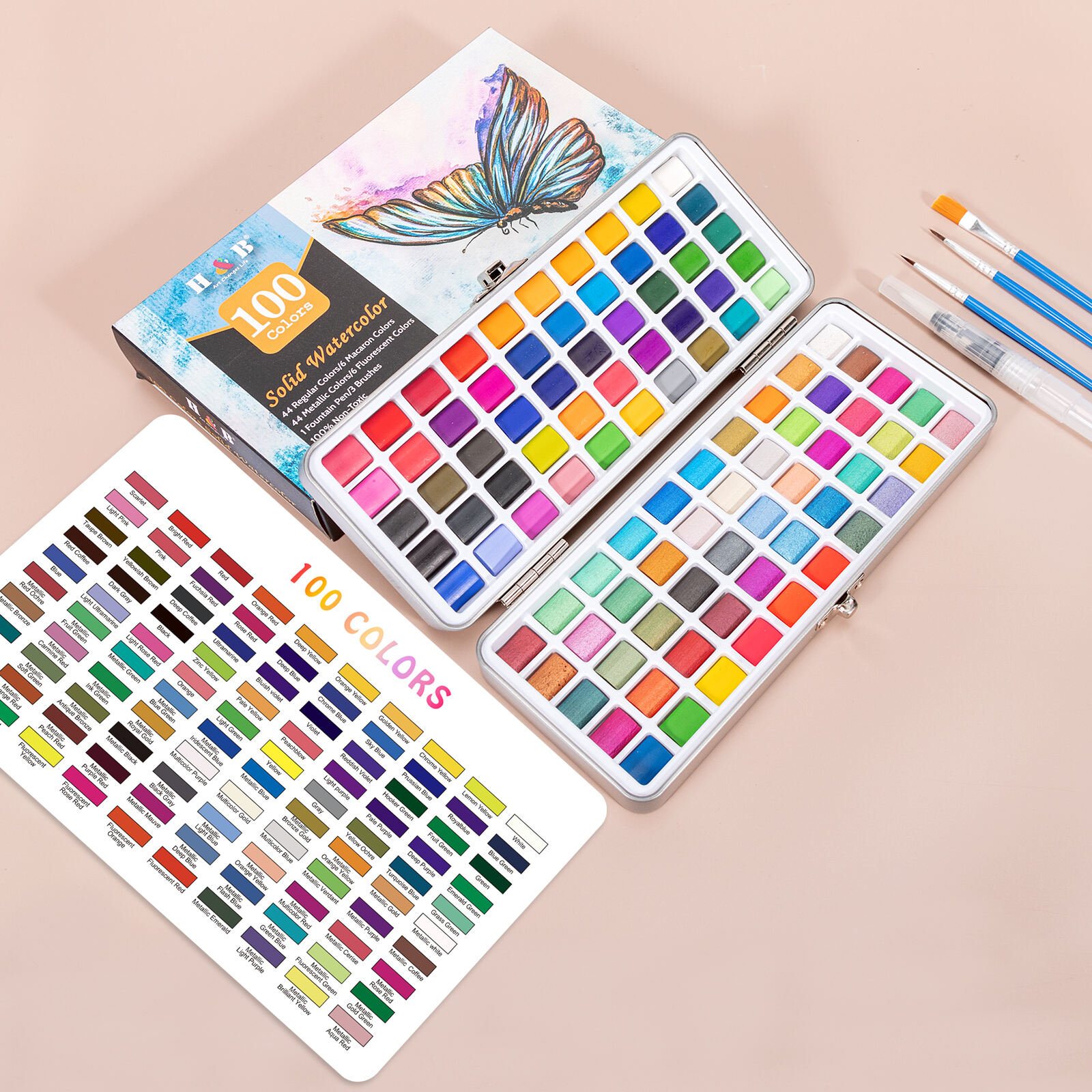
Binder Systems and Durability
Gum Arabic Quality
The binder system forms the backbone of watercolor paint performance, with gum arabic serving as the traditional and most effective binding agent for professional applications. High-quality gum arabic sourced from specific acacia tree varieties provides the ideal balance of adhesion, flexibility, and resolubility that characterizes superior watercolor paint. This natural binder allows dried paint to be reactivated with water, enabling artists to modify their work even after initial application.
Professional watercolor paint manufacturers invest in premium-grade gum arabic that undergoes careful processing to remove impurities and achieve consistent viscosity. The quality of this binding system directly affects paint handling characteristics, including brushability, color intensity retention, and surface adhesion. Artists working with professional-grade watercolor paint experience smoother application, better color control, and more predictable results due to these superior binder formulations.
Additive Balance
Professional watercolor paint formulations incorporate carefully selected additives that enhance performance without compromising color quality or archival properties. These additives may include wetting agents that improve paint flow, preservatives that prevent bacterial growth, and plasticizers that maintain paint flexibility over time. The precise balance of these components requires extensive testing and expertise to achieve optimal results.
Quality control in additive selection ensures that watercolor paint maintains consistent working properties across different environmental conditions and storage periods. Professional manufacturers limit additive use to essential components that provide clear performance benefits, avoiding unnecessary chemicals that could affect color purity or long-term stability. This attention to formulation detail distinguishes professional watercolor paint from mass-market alternatives that may prioritize cost reduction over performance optimization.
Color Range and Mixing Capabilities
Comprehensive Color Selection
Professional artists require access to comprehensive color ranges that enable accurate color matching and creative expression across diverse subject matters. High-quality watercolor paint lines typically offer extensive palettes including traditional earth tones, vibrant modern pigments, and specialized colors for specific applications. This broad selection eliminates the need for extensive color mixing in situations where direct color application proves more effective or efficient.
The availability of single-pigment colors within professional watercolor paint ranges provides artists with maximum mixing flexibility and color purity. Single-pigment formulations produce cleaner secondary and tertiary colors compared to convenience mixtures that may contain multiple pigments. Professional artists often build their palettes around these pure colors, supplemented by carefully selected convenience mixtures that serve specific purposes or save time in frequently used color combinations.
Intermixing Performance
The ability of watercolor paint to blend smoothly with other colors determines the artist's creative possibilities and technical capabilities. Professional formulations ensure compatible mixing characteristics across the entire color range, preventing issues such as separation, granulation, or color shift that can occur when mixing incompatible paint systems. This consistency allows artists to focus on creative decisions rather than technical limitations.
Superior mixing performance in watercolor paint results from careful attention to pigment particle size, binder compatibility, and surface tension properties. Professional manufacturers test color combinations extensively to identify potential mixing issues and adjust formulations accordingly. Artists working with professional-grade materials can expect predictable results when combining colors, enabling confident execution of complex color schemes and gradient effects.
Professional Application Considerations
Studio vs Plein Air Requirements
Professional artists must consider their primary working environments when selecting watercolor paint systems. Studio work typically allows for extensive color palettes and larger paint quantities, while plein air painting demands portability and weather resistance. Professional watercolor paint manufacturers often offer different packaging options and formulations to address these varying requirements without compromising quality standards.
Environmental factors such as temperature, humidity, and light conditions affect watercolor paint performance differently in studio versus outdoor settings. Professional formulations account for these variables through stabilized binder systems and pigment selections that maintain consistent working properties across diverse conditions. Artists who work in both environments benefit from watercolor paint that performs reliably regardless of external factors, enabling consistent results and artistic confidence.
Archival and Conservation Standards
Professional watercolor paint must meet stringent archival standards to ensure artwork longevity and museum-quality results. These standards encompass pigment lightfastness, binder stability, and overall composition purity. Professional manufacturers subject their watercolor paint to accelerated aging tests and provide detailed technical information about long-term performance expectations.
Conservation-grade watercolor paint avoids fugitive pigments and acidic components that could cause deterioration over time. Professional artists creating works for collectors, museums, or commercial applications must prioritize these archival characteristics to maintain their professional reputation and protect their artistic investment. The additional cost of conservation-grade materials represents sound business practice for serious professional artists.
FAQ
How does pigment concentration affect watercolor paint performance
Pigment concentration directly influences color intensity, mixing capabilities, and overall paint performance. Higher concentrations in professional watercolor paint provide stronger colors that maintain vibrancy even when heavily diluted. This characteristic allows artists to achieve both bold applications and delicate washes from the same paint tube, maximizing versatility and value. Professional-grade concentrations also ensure that mixed colors remain clean and bright rather than becoming muddy or dull.
What transparency levels work best for different painting techniques
Transparent watercolor paint excels for glazing techniques and luminous effects where light must pass through multiple layers. Semi-transparent colors provide good coverage while maintaining some light transmission, making them ideal for middle tones and transitional areas. Opaque watercolor paint works well for final details, corrections, and areas requiring solid coverage. Professional artists typically use combinations of all transparency levels within single paintings to achieve varied visual effects and depth.
Why does binder quality matter in professional watercolor paint
High-quality binders ensure proper pigment adhesion to paper while maintaining the resolubility that characterizes watercolor paint. Premium gum arabic binders provide optimal flow characteristics, color intensity retention, and working time for professional applications. Poor-quality binders can cause color shifting, uneven drying, or paint that becomes difficult to reactivate once dry. Professional watercolor paint uses carefully processed binders that enhance rather than compromise pigment performance.
How should professionals evaluate watercolor paint lightfastness ratings
Professional artists should prioritize watercolor paint with lightfastness ratings of I (excellent) or II (very good) for works intended for exhibition or sale. Rating III (moderate) colors may be acceptable for studies or works not exposed to strong light. Rating IV (poor) or lower should be avoided entirely in professional work. Manufacturers typically provide detailed lightfastness information, and artists should verify these ratings through independent testing organizations when making critical color selections for important commissions or exhibition pieces.