
 EN
EN
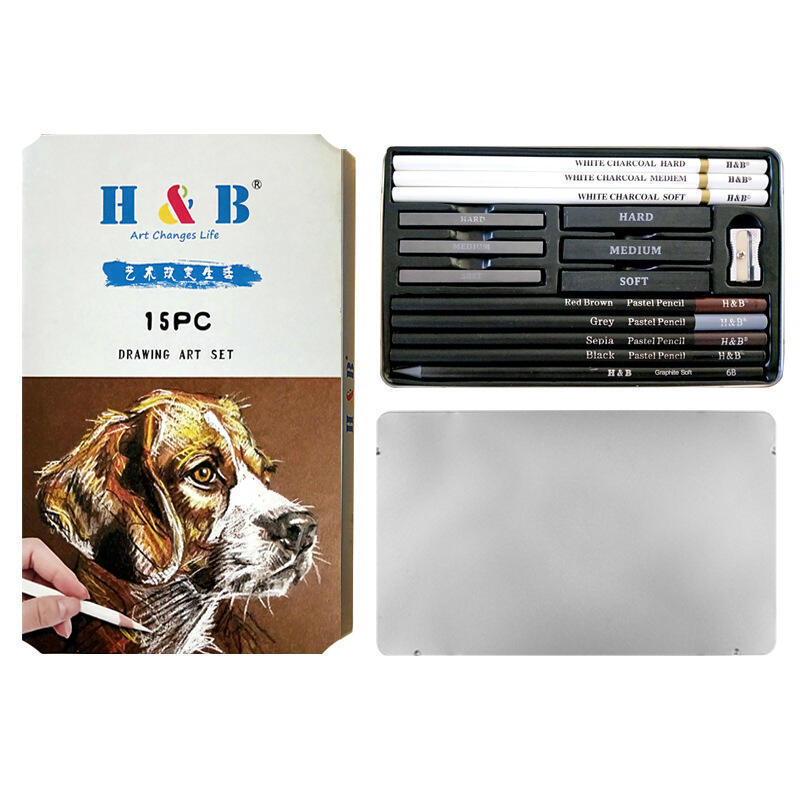
When sourcing graphic pencils for large-scale projects, understanding the essential features that define quality and performance becomes critical for procurement professionals and distributors. The right graphic pencil selection can significantly impact project outcomes, user satisfaction, and long-term business relationships. Whether you're supplying art schools, corporate training programs, or retail chains, identifying key characteristics ensures your bulk purchasing decisions deliver maximum value and meet diverse user requirements.
Core Material Composition and Manufacturing Standards
Graphite Quality and Consistency
The foundation of any exceptional graphic pencil lies in its graphite core composition and manufacturing precision. High-quality graphite blends determine drawing smoothness, line consistency, and overall user experience across different applications. Premium manufacturers utilize refined graphite particles mixed with clay binders in precise ratios to achieve specific hardness grades and performance characteristics that remain consistent throughout large production runs.
For bulk sourcing projects, evaluating graphite consistency becomes paramount since variations can lead to customer complaints and brand reputation issues. Professional-grade graphic pencil products undergo rigorous quality testing to ensure uniform hardness, consistent mark-making properties, and reliable performance across entire batch productions. This consistency directly impacts user satisfaction and reduces warranty claims or product returns.
Wood Casing and Construction Quality
The wooden casing surrounding the graphite core significantly influences the overall graphic pencil performance and user experience. Cedar wood remains the preferred material for premium pencils due to its straight grain structure, ease of sharpening, and resistance to breakage during normal use. Quality wood construction prevents core breakage, ensures smooth sharpening experiences, and provides comfortable grip characteristics for extended drawing sessions.
Bulk purchasers should evaluate wood source sustainability, treatment processes, and manufacturing techniques that affect long-term product performance. Well-constructed wooden casings protect the graphite core during shipping, storage, and handling while maintaining structural integrity under various environmental conditions. This construction quality directly correlates with customer satisfaction and reduces product replacement costs over time.
Performance Characteristics and Grading Systems
Hardness Grades and Mark-Making Properties
Understanding graphic pencil hardness grading systems enables informed bulk purchasing decisions that align with specific user requirements and application needs. The standard HB grading scale ranges from hard pencils (H grades) that produce light, precise lines to soft pencils (B grades) that create darker, broader marks suitable for shading and artistic applications. Each grade serves distinct purposes in professional drawing, sketching, and technical illustration work.
Professional users often require multiple hardness grades within their graphic pencil collections to achieve varied line weights, tonal ranges, and artistic effects. Bulk sourcing strategies should consider offering comprehensive grade selections that meet diverse user preferences while maintaining inventory efficiency and cost-effectiveness across different market segments.
Erasability and Blending Characteristics
The erasability and blending properties of graphic pencil marks significantly impact user experience and artistic workflow efficiency. High-quality graphite formulations allow for clean erasing without paper damage while supporting smooth blending techniques essential for professional artwork and technical drawings. These characteristics depend heavily on graphite particle size, binder composition, and manufacturing processes that affect mark adhesion and removability.
Bulk sourcing decisions should prioritize graphic pencil products that demonstrate consistent erasability across different paper types and environmental conditions. Professional users rely on predictable erasing behavior for corrections, highlight creation, and artistic techniques that require precise mark removal. Testing erasability performance ensures customer satisfaction and reduces complaints related to poor erasing characteristics or paper damage during correction attempts.
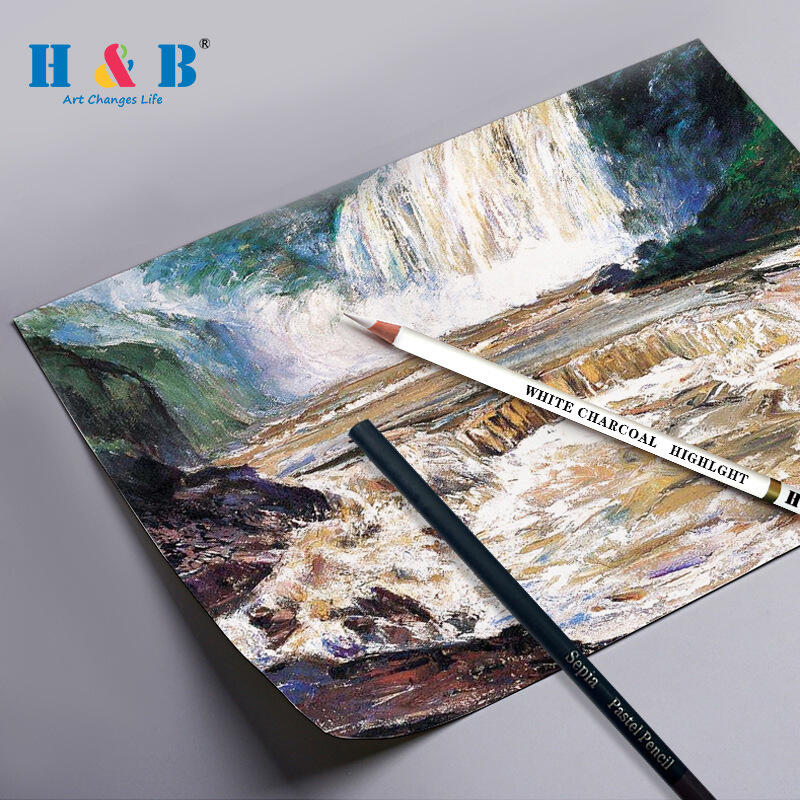
Manufacturing Quality and Durability Factors
Core Breakage Resistance and Structural Integrity
Core breakage represents one of the most common complaints associated with low-quality graphic pencil products, making breakage resistance a critical evaluation factor for bulk purchasing decisions. Premium manufacturing processes ensure proper core centering within wooden casings, appropriate graphite hardness for intended applications, and protective treatments that minimize breakage during shipping and normal use conditions.
Durability testing protocols evaluate graphic pencil performance under various stress conditions including dropping, pressure application, and temperature fluctuations commonly encountered during distribution and storage. Products that demonstrate superior breakage resistance reduce customer complaints, minimize replacement costs, and maintain brand reputation across different market segments and user applications.
Finish Quality and Aesthetic Appeal
The external finish quality of graphic pencil products significantly influences customer perception, brand positioning, and market competitiveness in professional and educational segments. Premium finishes include smooth paint application, clear grade markings, brand identification, and protective coatings that resist wear, moisture, and handling damage throughout the product lifecycle.
Bulk sourcing considerations should evaluate finish durability, marking legibility, and aesthetic consistency across large production runs. Professional users and institutional buyers often prefer graphic pencil products with clean, professional appearances that reflect quality standards and support brand positioning. Consistent finish quality also facilitates inventory management and reduces sorting requirements during distribution processes.
Packaging and Distribution Considerations
Bulk Packaging Solutions and Protection
Effective packaging solutions protect graphic pencil products during shipping, storage, and handling while supporting efficient distribution processes and inventory management systems. Professional packaging includes protective materials that prevent core breakage, moisture damage, and finish scratching during transportation. Bulk packaging formats should balance protection requirements with cost efficiency and environmental sustainability considerations.
Distribution-friendly packaging designs facilitate efficient handling, reduce labor costs, and minimize damage rates throughout the supply chain. Standardized packaging dimensions support warehouse optimization, shipping efficiency, and retail display requirements across different market channels. These packaging considerations directly impact total cost of ownership and customer satisfaction levels for bulk graphic pencil purchases.
Inventory Management and Shelf Life
Graphic pencil products generally offer excellent shelf life characteristics when stored under appropriate environmental conditions, making them suitable for bulk purchasing and long-term inventory strategies. However, proper storage conditions including temperature control, humidity management, and protection from direct sunlight help maintain product quality and performance characteristics over extended periods.
Bulk sourcing strategies should consider rotation systems, storage requirements, and inventory tracking methods that ensure product freshness and quality maintenance throughout distribution cycles. Proper inventory management reduces waste, maintains customer satisfaction, and supports efficient cash flow management for distributors and retailers handling graphic pencil products across various market segments.
Cost Analysis and Value Optimization
Price Point Evaluation and Market Positioning
Effective cost analysis for bulk graphic pencil sourcing requires comprehensive evaluation of purchase prices, shipping costs, storage expenses, and potential returns or warranty claims that impact total project costs. Premium products often justify higher unit costs through superior performance, reduced complaint rates, and enhanced customer satisfaction that supports long-term business relationships and repeat purchases.
Market positioning strategies should align graphic pencil quality levels with target customer expectations and price sensitivity across different segments. Professional artists, educational institutions, and hobbyist markets each present distinct value propositions and performance requirements that influence optimal sourcing decisions and pricing strategies for bulk purchasing projects.
Volume Discounts and Supplier Relationships
Establishing strategic supplier relationships enables access to volume discounts, exclusive products, and preferential terms that enhance profitability and competitive positioning in graphic pencil markets. Long-term partnerships with reliable manufacturers provide supply chain stability, quality consistency, and collaborative opportunities for product development and market expansion initiatives.
Bulk sourcing negotiations should consider payment terms, delivery schedules, quality guarantees, and exclusive arrangement possibilities that provide competitive advantages and operational efficiencies. Strong supplier relationships also facilitate problem resolution, product customization options, and market intelligence sharing that supports informed business decisions and strategic planning processes.
Quality Assurance and Testing Protocols
Incoming Inspection Standards
Implementing comprehensive quality assurance protocols ensures graphic pencil bulk purchases meet specified performance standards and customer expectations across different applications and market segments. Incoming inspection procedures should evaluate graphite consistency, wood quality, finish integrity, and packaging condition to identify potential issues before distribution to end users.
Statistical sampling methods provide cost-effective quality verification while maintaining reasonable inspection costs and processing efficiency. Documentation systems track quality metrics, supplier performance, and customer feedback to support continuous improvement initiatives and informed sourcing decisions for future graphic pencil purchases and supplier evaluations.
Performance Testing and User Feedback
Regular performance testing using standardized protocols helps validate graphic pencil quality consistency and identifies potential issues before they impact customer satisfaction or brand reputation. Testing parameters include line quality, erasability, breakage resistance, and sharpening characteristics that directly affect user experience and product performance in real-world applications.
Collecting and analyzing user feedback provides valuable insights into graphic pencil performance, customer preferences, and market trends that inform future sourcing decisions and product selection strategies. This feedback loop ensures continuous alignment between sourcing decisions and market requirements while supporting product improvement and supplier development initiatives.
FAQ
What hardness grades should be included in a bulk graphic pencil order?
Most bulk orders should include a balanced selection of H, HB, and B grades to meet diverse user requirements. Popular combinations include 2H, H, HB, B, and 2B for general applications, with additional harder or softer grades based on specific customer needs. Consider your target market's typical usage patterns when determining grade distribution ratios.
How can you verify graphic pencil quality before placing large orders?
Request sample sets from potential suppliers to conduct thorough testing including line quality, erasability, breakage resistance, and sharpening performance. Implement standardized testing protocols that evaluate consistency across multiple samples and document results for comparison. Consider third-party quality verification for high-value purchases or critical applications.
What packaging options work best for bulk graphic pencil distribution?
Choose packaging that balances protection with cost efficiency and handling convenience. Options include individual sleeves, bulk boxes with dividers, and display-ready packaging for retail applications. Consider your distribution channels, storage capabilities, and customer requirements when selecting optimal packaging solutions for specific market segments.
How do environmental factors affect graphic pencil quality during storage?
Temperature fluctuations and high humidity can affect wood expansion and graphite performance over time. Maintain storage areas between 60-75°F with relative humidity below 60% for optimal product preservation. Avoid direct sunlight exposure and ensure adequate ventilation to prevent moisture accumulation that could damage packaging or affect product quality.