
 EN
EN
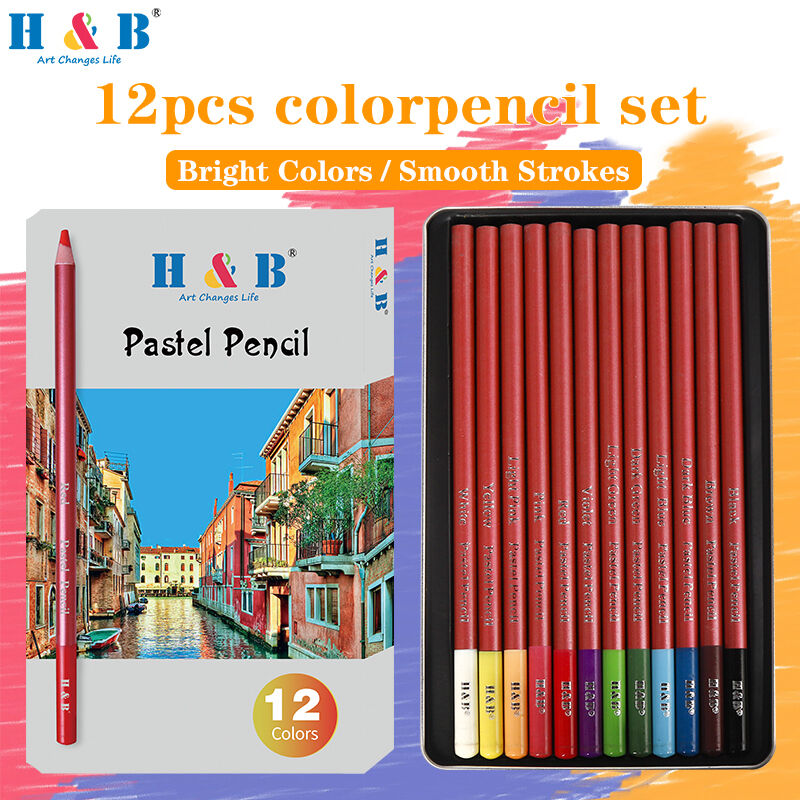
The feel of a pastel pencil on paper is one of the first things an artist notices when starting a drawing. Smoothness, resistance, pigment release, and control all influence how comfortable and expressive the drawing process becomes. At the heart of this experience lies a critical factor that is often overlooked: the core material. Different core materials affect the smoothness of pastel pencils in subtle yet powerful ways, shaping how the pencil interacts with the surface and how pigment transfers to the paper. By understanding how different core materials affect the smoothness of pastel pencils, artists can make more informed choices that match their techniques, styles, and creative goals.
The Role of Core Materials in Pastel Pencils
Composition of Pastel Pencil Cores
Pastel pencil cores are typically made from a combination of pigments, binders, fillers, and sometimes wax or oil-based components. How these ingredients are balanced determines hardness, smoothness, and color payoff. When examining how different core materials affect the smoothness of pastel pencils, the composition is always the starting point, as even slight changes in ratios can dramatically alter performance.
Softer cores usually contain higher pigment content with less binder, allowing the pencil to glide smoothly across textured paper. Harder cores rely more heavily on binders, which increases durability but may reduce smoothness. This delicate balance explains why artists often feel an immediate difference when switching between pastel pencils made with different core materials.
Interaction Between Core and Paper Surface
The smoothness of pastel pencils is not defined by the core alone; it is also influenced by how the core material reacts with the paper’s tooth. Different core materials affect the smoothness of pastel pencils by either gripping the paper texture or floating across it. A softer, more friable core fills the paper’s grooves quickly, producing rich, smooth strokes, while a firmer core offers more resistance and precision.
This interaction is especially important for artists working on layered pieces. A core that is too soft may fill the tooth too quickly, limiting further layering, whereas a slightly firmer core allows repeated passes while maintaining control. Understanding this relationship is key to mastering pastel pencil techniques.
Pigment Density and Its Impact on Smoothness
High Pigment Content Cores
Cores with high pigment density are often associated with a smoother drawing experience. Because there is less binder holding the particles together, the pigment releases easily onto the paper. When exploring how different core materials affect the smoothness of pastel pencils, high pigment content consistently ranks as a major contributor to softness and fluidity.
Artists who prioritize expressive strokes and rich color transitions often gravitate toward these cores. The smoothness allows for effortless blending and layering, making them ideal for portrait work and soft landscapes. However, this smoothness may come at the cost of increased fragility, requiring a lighter hand during use.
Lower Pigment Content Cores
Lower pigment content cores rely more on binders and fillers, which results in a firmer feel. While these cores may not glide as smoothly, they excel in detail work and fine lines. Different core materials affect the smoothness of pastel pencils here by trading softness for stability and sharpness.
For artists focused on precise edges or underdrawings, this reduced smoothness can actually be an advantage. The increased resistance offers better control, especially on smoother paper surfaces where overly soft cores might feel slippery or imprecise.
Binder Types and Their Influence on Drawing Feel
Gum and Clay-Based Binders
Traditional pastel pencil cores often use gum or clay-based binders. These materials provide structure while allowing pigments to break away under pressure. When analyzing how different core materials affect the smoothness of pastel pencils, gum-based binders tend to produce a balanced feel that suits a wide range of techniques.
Clay-based binders, on the other hand, can make the core slightly drier. This dryness increases feedback from the paper, which some artists appreciate for sketching and controlled shading. While not as smooth as softer formulations, these cores offer consistency and predictability.
Wax and Oil-Modified Binders
Some pastel pencil cores incorporate small amounts of wax or oil-modified binders to enhance smoothness. These materials reduce friction between the core and the paper, resulting in a more fluid stroke. In discussions about how different core materials affect the smoothness of pastel pencils, wax-enhanced cores are often praised for their creamy feel.
This type of core is particularly useful for blending and burnishing techniques. The downside is that waxy residues may build up on the paper, potentially affecting layering and long-term archival qualities. Artists must weigh smoothness against these practical considerations.
Hardness Levels and Artistic Control
Soft Cores and Expressive Techniques
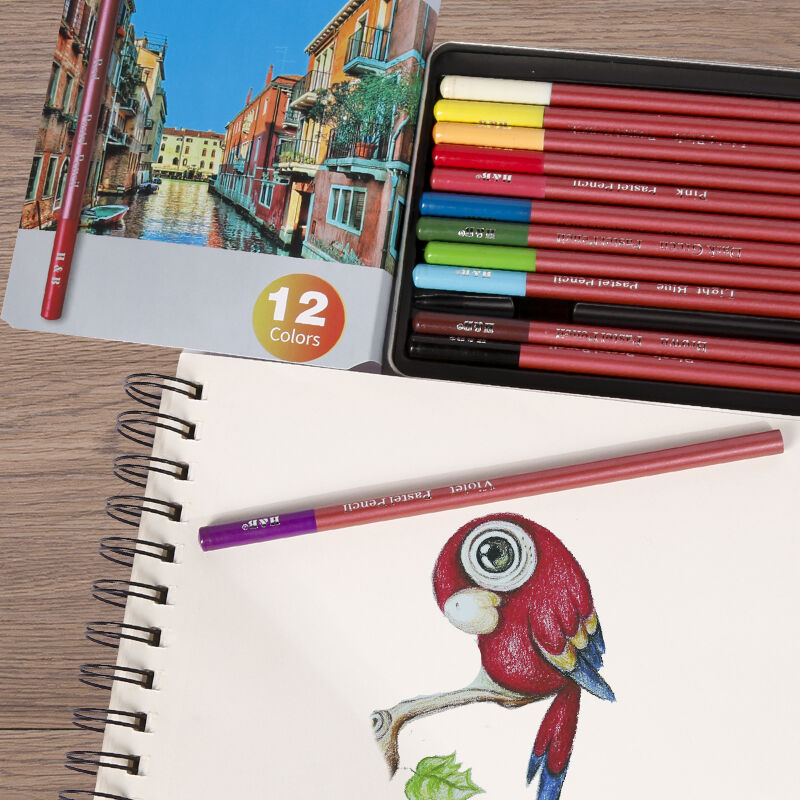
Soft cores are widely associated with maximum smoothness. They deposit pigment effortlessly and respond well to light pressure. Different core materials affect the smoothness of pastel pencils most noticeably in this category, as softness amplifies the tactile experience of drawing.
These cores are ideal for expressive shading, atmospheric backgrounds, and rapid color coverage. Their smoothness allows artists to focus on gesture and emotion rather than mechanical precision. However, soft cores wear down faster and may require frequent sharpening or careful handling.
Firm Cores for Precision Work
Firm cores provide a contrasting experience. While they may not feel as smooth, they excel in maintaining sharp points and consistent line quality. When evaluating how different core materials affect the smoothness of pastel pencils, firmness often correlates with control rather than comfort.
Artists working on detailed illustrations, botanical studies, or architectural elements may prefer this trade-off. The slightly reduced smoothness becomes a tool rather than a limitation, enabling accuracy and clean edges.
Manufacturing Processes and Core Consistency
Milling and Particle Size
The fineness of pigment particles plays a crucial role in smoothness. Finely milled pigments create a more uniform core, reducing scratchiness. Different core materials affect the smoothness of pastel pencils not only through composition but also through how thoroughly materials are processed.
Inconsistent particle sizes can lead to uneven strokes and unexpected resistance. High-quality manufacturing ensures that pigments and binders are evenly distributed, resulting in predictable smoothness across the entire pencil.
Compression and Curing Techniques
How the core is compressed and cured during production also impacts performance. Over-compressed cores may feel hard and resistant, while under-compressed cores may crumble. When studying how different core materials affect the smoothness of pastel pencils, production methods are just as important as raw ingredients.
Well-controlled curing processes strike a balance, preserving smoothness while maintaining structural integrity. This consistency is especially valuable for professional artists who rely on predictable behavior from their tools.
Matching Core Materials to Artistic Styles
Blending and Layering Preferences
Artists who rely heavily on blending often prefer smoother cores that respond well to smudging and gradual transitions. Different core materials affect the smoothness of pastel pencils in ways that directly influence blending efficiency and visual softness.
Softer cores blend easily with fingers, stumps, or brushes, while firmer cores may require more effort but offer cleaner separations between layers. Choosing the right core material can significantly enhance workflow and results.
Surface Choice and Core Compatibility
Paper choice cannot be separated from core selection. Rough surfaces amplify the feel of the core, while smooth papers highlight subtle differences in formulation. Understanding how different core materials affect the smoothness of pastel pencils helps artists pair pencils with appropriate surfaces for optimal performance.
A smooth core on heavily textured paper may feel controlled and balanced, while the same core on smooth paper could feel overly slick. Awareness of this interaction allows for intentional tool selection rather than trial and error.
Practical Considerations for Artists
Durability and Sharpening
Smoothness often comes with fragility. Softer core materials may break more easily during sharpening or transport. Different core materials affect the smoothness of pastel pencils while also influencing durability, making this a key consideration for everyday use.
Artists who work outdoors or travel frequently may prioritize slightly firmer cores that withstand handling, even if they sacrifice some smoothness. Studio-based artists may have more freedom to choose ultra-smooth formulations.
Consistency Across Color Ranges
Not all colors behave the same, even within the same brand or line. Pigment properties vary, which can affect smoothness. When examining how different core materials affect the smoothness of pastel pencils, it is important to note that consistency across colors is a hallmark of well-engineered cores.
Reliable consistency ensures that switching colors does not disrupt technique or pressure control. This stability is especially valuable in complex, multi-color compositions.
FAQ
How do different core materials affect the smoothness of pastel pencils for beginners
Different core materials affect the smoothness of pastel pencils by changing how easily pigment transfers to paper. Beginners often find softer cores smoother and more forgiving, as they require less pressure and blend easily, helping build confidence and control.
Are smoother pastel pencil cores always better for blending
Smoother cores generally blend more easily, but they are not always better in every situation. Different core materials affect the smoothness of pastel pencils in ways that may limit layering if the core is too soft, so a balance is often ideal.
Do harder core materials reduce color intensity
Harder cores may release pigment more slowly, which can make colors appear less intense at first. However, different core materials affect the smoothness of pastel pencils in ways that allow artists to build intensity gradually through layering.
Table of Contents
- The Role of Core Materials in Pastel Pencils
- Pigment Density and Its Impact on Smoothness
- Binder Types and Their Influence on Drawing Feel
- Hardness Levels and Artistic Control
- Manufacturing Processes and Core Consistency
- Matching Core Materials to Artistic Styles
- Practical Considerations for Artists
- FAQ