
 EN
EN

Art education plays a fundamental role in developing creative thinking skills among students, and having the right tools can make all the difference in fostering artistic growth. A comprehensive art set serves as the foundation for effective classroom art training, providing students with diverse materials that encourage experimentation and creative expression. When educators invest in quality art supplies, they create an environment where students can explore various techniques, develop fine motor skills, and build confidence in their artistic abilities. The availability of different mediums within a single art set allows teachers to introduce multiple art forms seamlessly, making lessons more engaging and comprehensive. Students who have access to well-equipped art sets often demonstrate improved focus, enhanced problem-solving abilities, and greater willingness to take creative risks.
The impact of a quality art set extends beyond simple drawing exercises, influencing how students approach creative challenges throughout their academic journey. Research consistently shows that students with access to diverse art materials develop stronger visual-spatial intelligence and demonstrate improved academic performance across multiple subjects. A well-curated art set becomes an investment in student development, providing the essential tools needed to transform classroom art training from basic instruction into meaningful creative exploration.
Essential Components of Educational Art Sets
Drawing and Sketching Materials
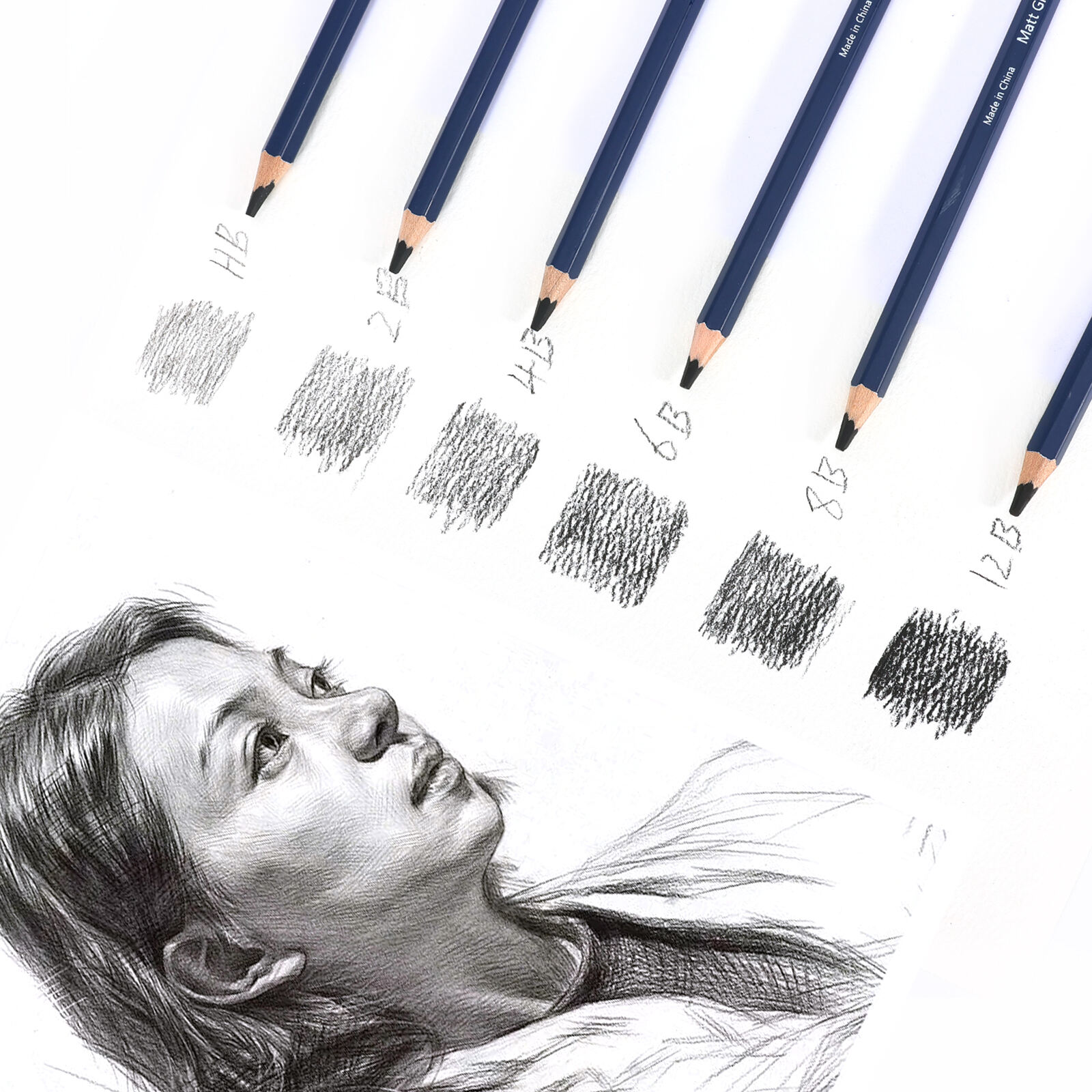
Every effective art set begins with high-quality drawing materials that form the backbone of artistic instruction. Professional colored pencils offer students the precision needed for detailed work while providing the color variety necessary for creative expression. These pencils should feature strong leads that resist breaking under pressure, allowing students to work confidently without frequent interruptions. The inclusion of graphite pencils in various hardness levels enables students to understand shading techniques and develop proper drawing fundamentals.
Sketching accessories within an art set often include blending stumps, erasers, and sharpeners that support the drawing process. These tools teach students about texture creation, highlight techniques, and proper maintenance of their materials. When students learn to use these accessories effectively, they gain greater control over their artistic output and develop professional habits that serve them throughout their creative journey.
Color Theory Application Tools
A comprehensive art set includes materials that help students understand color relationships and mixing principles. Colored pencils arranged in a logical spectrum allow teachers to demonstrate primary, secondary, and tertiary color relationships effectively. Students can practice color blending techniques using these pencils, learning how different pressures and layering methods create varied effects. This hands-on experience with color theory becomes more meaningful when students have access to a full range of hues within their art set.
Advanced art sets may include complementary materials like pastels or watercolor pencils that expand color application possibilities. These additional mediums within the art set enable teachers to introduce different artistic techniques while maintaining consistency in tool quality and availability. Students benefit from experiencing various color application methods, as this exposure broadens their understanding of artistic possibilities and helps them discover their preferred working methods.
Cognitive Benefits of Structured Art Programs
Critical Thinking Development
Working with a well-organized art set encourages students to make deliberate choices about tool selection and technique application. This decision-making process strengthens critical thinking skills as students evaluate which materials from their art set will best achieve their creative goals. Teachers can guide students through this process by presenting challenges that require thoughtful material selection and technique planning. The variety within a quality art set provides multiple pathways to creative solutions, encouraging students to think flexibly about problem-solving approaches.
Students learn to analyze their work critically when they have consistent access to quality materials through their art set. They can compare techniques, evaluate results, and make informed adjustments to their approach. This analytical process, supported by reliable tools, helps students develop self-assessment skills that transfer to other academic areas. The consistent quality of a professional art set ensures that students can focus on developing their critical thinking rather than struggling with inadequate materials.
Spatial Reasoning Enhancement
Regular use of an art set in classroom activities significantly improves students' spatial reasoning abilities. Drawing exercises using various tools from the art set help students understand three-dimensional relationships, perspective, and proportion. These skills prove valuable in mathematics, science, and engineering subjects where spatial visualization plays a crucial role. Teachers can design activities that specifically target spatial reasoning development by incorporating geometric drawing exercises and perspective studies using art set materials.
The tactile experience of working with different materials in an art set also contributes to spatial understanding. Students learn to judge distances, angles, and proportions through hands-on practice with their drawing tools. This kinesthetic learning approach, facilitated by a complete art set, helps students internalize spatial concepts more effectively than theoretical instruction alone. The consistent availability of materials ensures that students can practice these skills regularly, leading to steady improvement in spatial reasoning abilities.
Classroom Implementation Strategies
Structured Lesson Planning
Effective integration of an art set into classroom curricula requires thoughtful lesson planning that maximizes material utilization. Teachers should design progressive exercises that introduce students to different components of their art set systematically. Beginning lessons might focus on basic drawing techniques using pencils, while advanced sessions could incorporate multiple materials for complex projects. This structured approach ensures students develop proficiency with each element of their art set before moving to more challenging applications.
Successful art programs often establish routines around art set usage that promote responsibility and care for materials. Students learn to organize their supplies, maintain their tools, and respect shared resources when using classroom art sets. These organizational skills, developed through consistent art set interaction, contribute to students' overall academic success and personal development. Teachers can reinforce these habits by creating clear expectations for art set handling and storage procedures.
Cross-Curricular Integration
An art set becomes even more valuable when teachers integrate artistic activities across multiple subject areas. Science classes can use art set materials for detailed botanical drawings or geological sketches that reinforce observational skills. History lessons benefit when students create timeline illustrations or historical figure portraits using their art set supplies. This cross-curricular approach maximizes the educational value of the art set investment while demonstrating the relevance of artistic skills across academic disciplines.
Mathematics concepts become more accessible when students use their art set to create geometric designs, graphical representations, or proportional studies. Language arts instruction can incorporate illustration projects that help students visualize literary characters or story settings using art set materials. This integrated approach helps students see connections between subjects while developing their artistic abilities through regular art set usage.
Student Engagement and Motivation
Personal Expression Opportunities
Access to a comprehensive art set empowers students to express their individual creativity and personal perspectives. Unlike standardized assignments with predetermined outcomes, artistic activities using an art set allow for multiple correct solutions and personal interpretation. This flexibility encourages student ownership of their learning process and builds confidence in creative decision-making. Teachers can foster this environment by presenting open-ended challenges that utilize various components of the art set while respecting individual artistic voices.
Students often discover hidden talents and interests when provided with quality materials through their art set. The variety of tools available enables exploration of different artistic styles and techniques, helping students identify their preferences and strengths. This self-discovery process, facilitated by comprehensive art set access, can influence career interests and lifelong hobbies. Teachers play a crucial role in recognizing and nurturing these emerging interests through thoughtful art set implementation.
Collaborative Learning Enhancement
Group projects utilizing art sets create opportunities for students to share techniques, exchange ideas, and learn from peer approaches. When multiple students work with similar art set materials, they can observe different application methods and adapt successful strategies to their own work. This peer learning environment, supported by consistent art set availability, accelerates skill development and builds classroom community. Teachers can structure collaborative activities that encourage knowledge sharing while maintaining individual creative expression.
Shared art set resources also teach important social skills including cooperation, resource management, and respectful communication. Students learn to negotiate material usage, assist classmates with technique questions, and provide constructive feedback on artistic work. These interpersonal skills, developed through art set interactions, contribute to overall social-emotional learning goals and prepare students for collaborative work environments.
Long-term Educational Impact
Skill Transfer Benefits
Students who regularly engage with art set materials develop transferable skills that benefit their performance across academic subjects. The fine motor control required for precise art set usage improves handwriting quality and supports detailed work in science laboratories. Visual organization skills developed through art set projects enhance note-taking abilities and information presentation in other classes. These cross-over benefits make art set investment a valuable contributor to overall educational outcomes.
Problem-solving approaches learned through art set usage often transfer to mathematical and scientific thinking. Students become comfortable with trial-and-error processes, multiple solution pathways, and creative adaptation when faced with challenges. The confidence built through successful art set projects encourages students to tackle difficult problems in other subjects with similar persistence and creativity. This mindset development represents one of the most valuable long-term benefits of comprehensive art set programs.
Career Preparation Applications
Early exposure to professional-quality materials through a comprehensive art set introduces students to potential career paths in creative industries. Architecture, graphic design, product development, and engineering all benefit from the foundational skills developed through art set usage. Students who experience success with art set projects may pursue advanced art education or consider creative careers they might not have otherwise explored. This career exposure function makes art set investment valuable beyond immediate educational goals.
Technical skills developed through art set usage also prepare students for digital art and design applications. Understanding color theory, composition principles, and drawing fundamentals through traditional art set materials provides essential background for computer-based creative work. Students transition more successfully to digital platforms when they have solid foundational experience with physical art set tools and techniques.
FAQ
What age groups benefit most from structured art set programs
Students of all ages can benefit from quality art set programs, but elementary and middle school students often show the most dramatic improvement in creativity and fine motor skills. During these developmental years, regular art set usage supports cognitive growth, spatial reasoning development, and creative confidence building. However, high school students also gain significant value from advanced art set programs that prepare them for college-level art courses or creative career paths.
How should teachers maintain and organize classroom art sets
Effective art set management requires establishing clear procedures for distribution, usage, and storage of materials. Teachers should create designated storage areas for each art set component, implement check-out systems for individual tools, and establish routine maintenance schedules. Regular inventory checks ensure that art set materials remain complete and functional, while student involvement in organization teaches responsibility and respect for shared resources.
What factors should schools consider when selecting art sets for classroom use
Schools should prioritize art sets that offer durability, variety, and age-appropriate materials for their student populations. Quality components that withstand regular classroom use provide better long-term value than cheaper alternatives requiring frequent replacement. The art set should include sufficient variety to support diverse learning objectives while remaining organized and manageable for classroom implementation. Professional packaging and storage solutions help maintain material quality and accessibility.
How can parents support art set learning at home
Parents can reinforce classroom art set learning by providing dedicated creative spaces at home and encouraging regular artistic practice. While home art supplies need not match classroom quality exactly, having basic drawing materials available supports skill development between school sessions. Parents should display and celebrate their children's artwork created with art set materials, reinforcing the value of creative expression and building confidence in artistic abilities.