
 EN
EN

Tworzenie realistycznych szkiców wymaga opanowania subtelnej sztuki cieniowania, a jakość Twoich ołówki artystyczne odgrywa kluczową rolę w osiągnięciu profesjonalnych rezultatów. Niezależnie od tego, czy jesteś początkującym badającym podstawowe techniki rysunku, czy doświadczonym artystą doskonalącym swoją sztukę, zrozumienie, jak różne gatunki i cechy ołówków wpływają na cieniowanie, może przeobrazić Twój artystyczny wynik. Prawidłowe ołówki artystyczne zapewniają precyzję, kontrolę oraz zakres tonalny niezbędny do tworzenia głębi, perspektywy i realistycznych tekstur w szkicach.
Zawodowi artyści wiedzą, że doskonałość cieniowania zaczyna się od wyboru odpowiedniej twardości ołówka dla każdej konkretnej techniki. Skład grafitu w wysokiej jakości ołówkach artystycznych decyduje o tym, jak gładko materiał przenosi się na papier oraz jak łatwo można go rozmywać lub modyfikować. Twardsze ołówki tworzą jasne, precyzyjne linie, idealne do wstępnego szkicowania i szczegółów, podczas gdy miększe gatunki dają bogate, ciemne odcienie, doskonałe do wyrazistych cieni i głębokich kontrastów, które nadają rysunkom życia.
Zrozumienie odcieni ołówków dla optymalnego cieniowania
Nauka stojąca za twardością grafitu
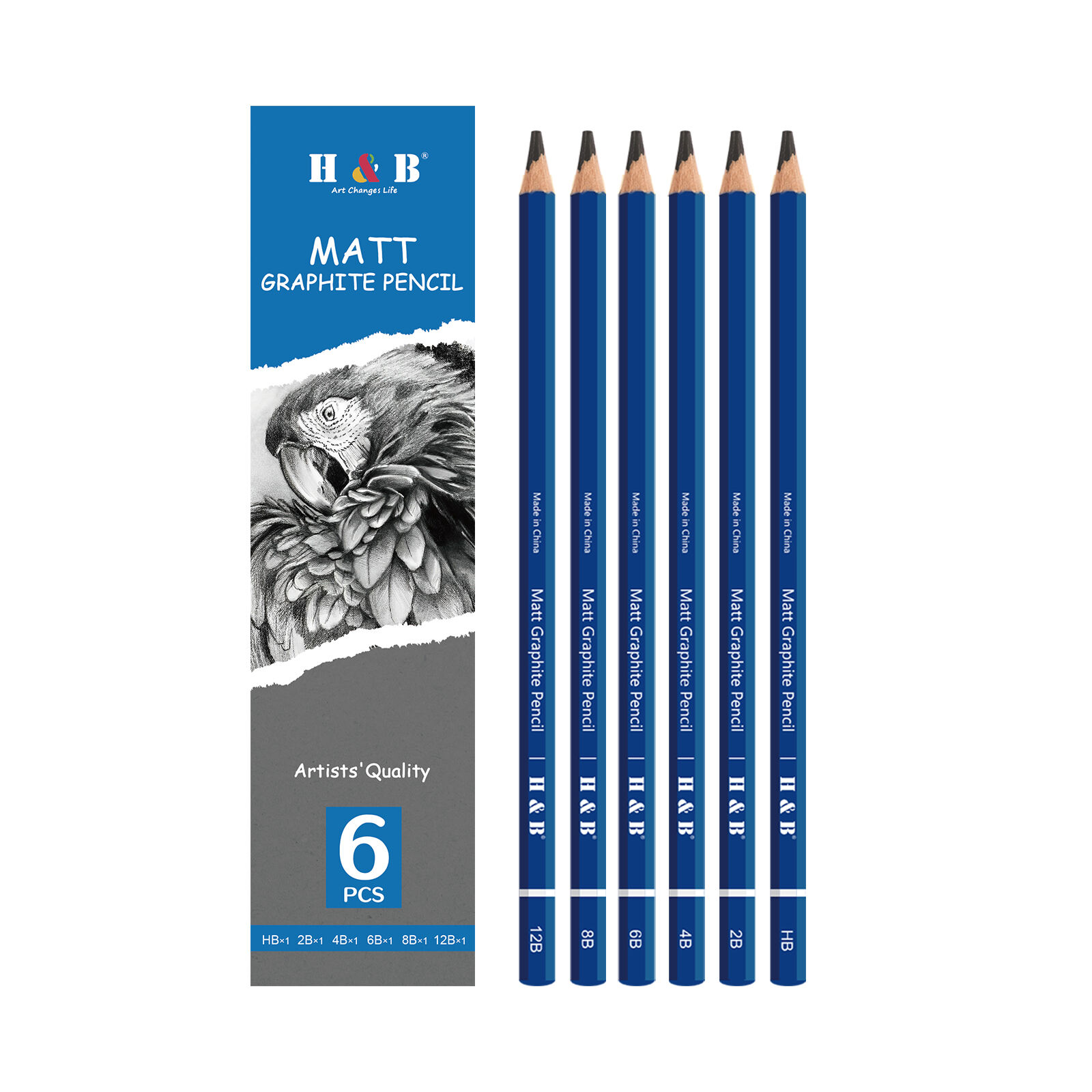
System oceny ołówków rysunkowych obejmuje zakres od 9H (najtwardszy) do 9B (najmiękki), przy czym HB oznacza środek skali między twardym a miękkim grafitowym. Ten system klasyfikacji bezpośrednio wpływa na możliwości cieniowania, ponieważ twardsze ołówki pozostawiają jaśniejsze ślady z minimalnym osadem grafitu, podczas gdy miększe tworzą ciemniejsze, intensywniejsze linie, które łatwo się mieszają. Zrozumienie tej skali pozwala artystom celowo dobierać odpowiednie narzędzia do poszczególnych etapów cieniowania.
Podczas pracy nad realistycznymi szkicami interakcja między cząsteczkami grafitu a fakturą papieru staje się kluczowa. Wysokiej jakości ołówki artystyczne zawierają drobno mielony grafit zmieszany z lepiszczami glinianymi, co zapewnia spójność nanoszonych śladów i gładkie nanoszenie. Proces produkcji wpływa na przyleganie grafitu do włókien papieru, co ma znaczenie dla możliwości tworzenia płynnych przejść tonalnych oraz subtelnych gradacji definiujących realistyczne dzieła sztuki.
Strategiczny wybór stopnia twardości dla różnych technik cieniowania
Profesjonalne cieniowanie wymaga strategicznego podejścia do wyboru ołówków na różnych etapach tworzenia rysunku. Rozpocznij od twardszych stopni, takich jak 2H lub H, do lini konstrukcyjnych i lekkich tonów bazowych, następnie przechodź przez stopnie HB i B dla tonów średnich, a na końcu użyj ołówków artystycznych 2B–6B do głębokich cieni i drastycznych kontrastów. Taki systematyczny przebieg zapewnia optymalną kontrolę nad rozwojem tonalności, nie przytłaczając powierzchni papieru.
Każdy stopień pełni określone zadania w procesie cieniowania: twardsze ołówki pozwalają zachować drobne detale, podczas gdy miększe dostarczają intensywnych, ciemnych tonów niezbędnych do przekonującego oddania formy trójwymiarowej. Kluczem jest zrozumienie, kiedy przejść między stopniami oraz jak płynnie łączyć ich ślady. Wysokiej jakości ołówki artystyczne zapewniają spójną wydajność we wszystkich stopniach, gwarantując przewidywalne rezultaty podczas budowania złożonych relacji tonalnych w szkicach.
Zaawansowane techniki cieniowania ołówkami artystycznymi
Metody nakładania warstw i mieszania
Pomyślne realistyczne cieniowanie w dużej mierze polega na technikach warstwowania, które stopniowo budują głębię tonalną, zamiast od razu próbować osiągnąć ciemne odcienie. Wysokiej jakości ołówki artystyczne doskonale sprawdzają się w nanoszeniu warstw, ponieważ dzięki jednolitemu rozłożeniu grafitu pozwalają na wielokrotne przesuwanie ołówka bez tworzenia niepożądanej tekstury lub ziarnistości. Rozpocznij od lekkiego nacisku stosując ołówki o średniej twardości, a następnie stopniowo zwiększaj nacisk i używaj miększych ołówków, aby pogłębić cienie i wzmocnić kontrast.
Mieszanie jest kolejnym kluczowym aspektem, w którym jakość ołówka znacząco wpływa na wynik. Ołówki artystyczne wysokiej jakości zawierają grafit, który dobrze reaguje na narzędzia do mieszania, takie jak rolek papieru (tortillons), patyki do blendowania oraz nawet techniki mieszania palcami. Gładkie nanoszenie grafitu umożliwia płynne przejścia między jasnymi a ciemnymi obszarami, tworząc subtelne gradacje, które oddzielają amatorską pracę od profesjonalnych, realistycznych szkiców.
Kreskowanie krzyżowe i cieniowanie kierunkowe
Techniki kreskowania krzyżowego wymagają precyzyjnej kontroli nad grubością linii i odstępami, przez co jakość ołówka odgrywa kluczową rolę w osiąganiu profesjonalnych efektów. Lepsze ołówki artystyczne dłużej zachowują ostrze i zapewniają spójną jakość linii podczas dłuższych sesji rysunkowych. Możliwość tworzenia czystych, równoległych linii o różnej intensywności zależy zarówno od składu grafitu w ołówku, jak i umiejętności artysty w manipulowaniu naciskiem i kątem nachylenia.
Cieniowanie kierunkowe podąża za formą przedmiotu, wymagając ołówków artystycznych, które wrażliwie reagują na zmiany nacisku i ruchy ręki. Ołówki wysokiej jakości umożliwiają płynne przejścia od lekkich dotknięć ledwo zaznaczających papier, po silny nacisk pozostawiający gęsty grafit, dający efekty dramatyczne. Ta wrażliwość pozwala artystom naturalnie podążać za zakrzywionymi powierzchniami i tworzyć przekonujący wolumen poprzez kierunkowe nanoszenie kresek, podkreślające trójwymiarową formę.
Wybór papieru i interakcja ołówka
Uwagi dotyczące tekstury dla skutecznego cieniowania
Związek między wybraną powierzchnią papieru a ołówkami artystycznymi bezpośrednio wpływa na jakość cieniowania i ogólny wygląd gotowych szkiców. Gładkie papiery, takie jak papier akwarelowy kalendrowany lub tektura bristol, doskonale sprawdzają się z twardszymi gatunkami ołówków, umożliwiając precyzyjną pracę detali oraz subtelne przejścia odcieni. Z drugiej strony, papiery o fakturze lepiej komponują się z miękkimi ołówkami artystycznymi, ponieważ chwytają cząstki grafitu, tworząc bogate, aksamitne ciemne tony, które podkreślają efekty dramatycznego oświetlenia.
Zrozumienie faktury papieru oraz tego, jak różne ołówki artystyczne oddziałują z różnymi powierzchniami, pozwala lepiej planować pracę i uzyskiwać bardziej przewidywalne rezultaty. Papiery o drobnej fakturze przyjmują wiele warstw grafitu bez przesycenia, natomiast silnie teksturowane powierzchnie mogą ograniczać możliwości mieszania, ale świetnie nadają się do tworzenia efektów atmosferycznych i swobodnego, ekspresyjnego cieniowania. Dostosowanie twardości ołówka do cech papieru optymalizuje możliwość osiągnięcia zamierzonych efektów wizualnych.
Utrzymywanie spójnej wydajności
Spójne efekty cieniowania wymagają utrzymywania Twojego ołówki artystyczne w optymalnym stanie na протяgu całego procesu rysowania. Ostre groty pozwalają na precyzyjną pracę detaliczną i czystą jakość linii, podczas gdy lekko stępione groty są lepsze w szerszych zastosowaniach cieniowania. Zawodowi artyści rozwijają wyczucie, jak stan ołówka wpływa na nanoszenie znaków, i dostosowują swoje techniki odpowiednio, aby zachować spójne wyniki podczas dłuższych sesji rysunkowych.
Warunki temperatury i wilgotności mogą wpływać na sposób działania ołówków artystycznych – grafit staje się twardszy w zimnych warunkach, a miększy w ciepłych środowiskach. Prawidłowe przechowywanie ołówków oraz umożliwienie im aklimatyzacji do warunków pracowni zapewnia przewidywalną wydajność. Dodatkowo, obracanie ołówków podczas użytkowania pozwala na równomierne zużycie i zapobiega powstawaniu płaskich miejsc, które mogą utrudniać gładkie nanoszenie cieni.
Najczęstsze błędy w cieniowaniu i ich rozwiązania
Unikanie nadmiernego nasycenia i brudnych tonów
Powszechnym błędem jest zbyt mocne naciskanie ołówków artystycznych zbyt wcześnie w procesie cieniowania, co prowadzi do przezasycenia papieru, który nie może przyjąć dodatkowych warstw grafitu. Ten problem zwykle pojawia się, gdy artyści próbują od razu uzyskać ciemne odcienie zamiast stopniowego ich budowania poprzez kilka lekkich nałożeni. Wysokiej jakości ołówki artystyczne nagradzają cierpliwość i delikatny dotyk, dając znacznie lepsze rezultaty, gdy są stosowane metodycznie, a nie agresywnie.
Brudne odcienie często wynikają z braku odpowiedniego planowania lub używania niewłaściwych gatunków ołówków na określonych etapach cieniowania. Gdy miękkie ołówki artystyczne są wprowadzane zbyt wcześnie, mogą one przytłoczyć fakturę papieru i tworzyć płaskie, martwe obszary pozbawione subtelnych różnic niezbędnych dla realistycznego wyglądu. Rozwiązaniem jest opracowanie jasnego planu wartości i konsekwentne przestrzeganie odpowiedniej kolejności gatunków ołówków w całym procesie rysowania.
Osiąganie gładkich przejść
Pofałdowane lub nierówne przejścia często wynikają z niekonsekwentnego nacisku lub niewłaściwego wyboru ołówka do określonych obszarów. Profesjonalne ołówki artystyczne umożliwiają gładkie przejścia przy użyciu odpowiedniej techniki, jednak sukces wymaga zrozumienia, jak różne stopnie ołówków reagują na różne poziomy nacisku. Ćwiczenia skupione na tworzeniu płynnych przejść między jasnymi i ciemnymi obszarami pomagają rozwijać pamięć mięśniową niezbędną do cieniowania na poziomie profesjonalnym.
Innym powszechnym problemem jest próbowanie mieszania niekompatybilnych stopni ołówków lub rysowanie nad szorstkimi liniami konstrukcyjnymi. Wysokiej jakości ołówki artystyczne najlepiej sprawdzają się na czystych, lekko naniesionych liniach bazowych, które nie będą przeszkadzać w kolejnych warstwach cieniowania. Zaplanowanie podejścia i utrzymywanie czystej metody pracy zapobiega problemom technicznym, które mogą zaszkodzić końcowemu efektowi.
Rozwijanie umiejętności profesjonalnego cieniowania
Ćwiczenia doskonalące
Rozwijanie profesjonalnych umiejętności cieniowania wymaga systematycznej praktyki z wykorzystaniem ołówków artystycznych wysokiej jakości w różnych ćwiczeniach zaprojektowanych tak, aby rozwijać konkretne kompetencje. Skale wartości to podstawowe ćwiczenia, w których artyści tworzą płynne przejścia od najjaśniejszych możliwych kresek do najciemniejszych czerni, używając ołówków o różnych stopniach twardości. Te ćwiczenia rozwijają wyczucie różnej siły nacisku i pomagają artystom zrozumieć zakres tonalny dostępnego im dzięki wybranym ołówkom artystycznym.
Studia form wykorzystujące proste kształty geometryczne, takie jak kule, sześciany i walce, stanowią doskonałą okazję do ćwiczenia zasad cieniowania ołówkami artystycznymi w kontrolowanych warunkach. Te ćwiczenia skupiają uwagę na źródłach światła, wzorach cieni oraz strefach przejściowych definiujących trójwymiarową formę. Regularna praktyka podstawowych form buduje fundamenty niezbędne do pewnego podejścia do bardziej złożonych tematów.
Rozwijanie osobistego stylu i techniki
W miarę rozwoju umiejętności technicznych artyści zaczynają wprowadzać własne elementy stylistyczne do technik cieniowania, zachowując jednocześnie realistyczny wygląd. Wysokiej jakości ołówki artystyczne pozwalają na różne interpretacje stylistyczne – od dokładnego, szczegółowego rysowania po swobodniejsze, bardziej ekspresyjne podejście. Kluczowe jest zrozumienie, w jaki sposób różne techniki wpływają na oddziaływanie wizualne, oraz wybór metod odpowiadających celom artystycznym.
Eksperymentowanie z różnymi ołówkami artystycznymi i technikami pomaga stworzyć charakterystyczne metody cieniowania, które odróżniają indywidualne dzieła od typowych sposobów rysowania. Niektórzy artyści wolą uzyskiwać głębokie, nasyccone odcienie poprzez staranne nakładanie warstw, podczas gdy inni osiągają efekty dramatyczne dzięki śmiało i pewnie naniesionym znakom. Narzędzia wysokiej jakości wspierają oba podejścia, umożliwiając artystom rozwijanie autentycznych stylów osobistych, odzwierciedlających ich unikalne wrażliwości estetyczne.
Często zadawane pytania
Które gatunki ołówków najlepiej sprawdzają się w cieniowaniu realistycznych portretów?
Dla realistycznych portretów zakres od 2H do 6B zapewnia optymalną elastyczność w zależności od wymagań cieniowania. Używaj ołówków malarskich 2H i H do szkiców początkowych i jasnych obszarów, HB i B do półcieni i ogólnego cieniowania, a 2B do 6B do głębokich cieni, włosów oraz obszarów z wyraźnym kontrastem. Taki zakres pozwala osiągnąć pełen spektrum tonalny niezbędny do przekonujących prac portretowych.
Jak zapobiegać rozmazywaniu podczas pracy nad szczegółowym cieniowaniem?
Zapobiegaj rozmazywaniu, pracując od lewej do prawej strony, jeśli jesteś praworęczny (lub od prawej do lewej, jeśli jesteś leworęczny), używając kartki czystego papieru pod ręką rysującą oraz pozwalając na wystarczający czas schnięcia między warstwami. Ołówki malarskie wysokiej jakości tworzą bardziej stabilne osady grafitu, które lepiej opierają się rozmazywaniu niż tańsze alternatywy. Dodatkowo rozważ użycie sprayu utrwalającego między kolejnymi etapami cieniowania, aby zamocować już wykonaną część pracy.
Czy mogę osiągnąć profesjonalne efekty przy użyciu podstawowych ołówków malarskich?
Chociaż podstawowe ołówki artystyczne mogą dawać zadowalające efekty, ołówki profesjonalne oferują lepszą spójność, gładkie nanoszenie grafitu oraz doskonałe właściwości mieszania, co znacząco wpływa na jakość końcowego dzieła. Inwestycja w wysokiej jakości ołówki artystyczne przekłada się na lepszą kontrolę, bardziej przewidywalne rezultaty oraz zwiększoną możliwość osiągnięcia subtelnych odcieni tonalnych, które odróżniają pracę profesjonalną od amatorskiej.
Jaki papier najlepiej sprawdza się z ołówkami artystycznymi do ćwiczeń cieniowania?
Papier rysunkowy o średniej gramaturze i lekko szorstkiej powierzchni zapewnia doskonałą równowagę podczas ćwiczeń cieniowania ołówkami artystycznymi. Papier Strathmore serii 400 lub papiery podobnej jakości oferują wystarczającą chropowatość, aby utrzymać grafit, jednocześnie pozostając gładkie dla szczegółowych prac. Unikaj na początku papierów zbyt gładkich lub zbyt szorstkich, ponieważ mogą one utrudniać rozwijanie odpowiednich technik cieniowania i zrozumienie, jak różne ołówki artystyczne działają w różnych warunkach.
Spis treści
- Zrozumienie odcieni ołówków dla optymalnego cieniowania
- Zaawansowane techniki cieniowania ołówkami artystycznymi
- Wybór papieru i interakcja ołówka
- Najczęstsze błędy w cieniowaniu i ich rozwiązania
- Rozwijanie umiejętności profesjonalnego cieniowania
-
Często zadawane pytania
- Które gatunki ołówków najlepiej sprawdzają się w cieniowaniu realistycznych portretów?
- Jak zapobiegać rozmazywaniu podczas pracy nad szczegółowym cieniowaniem?
- Czy mogę osiągnąć profesjonalne efekty przy użyciu podstawowych ołówków malarskich?
- Jaki papier najlepiej sprawdza się z ołówkami artystycznymi do ćwiczeń cieniowania?