 EN
EN
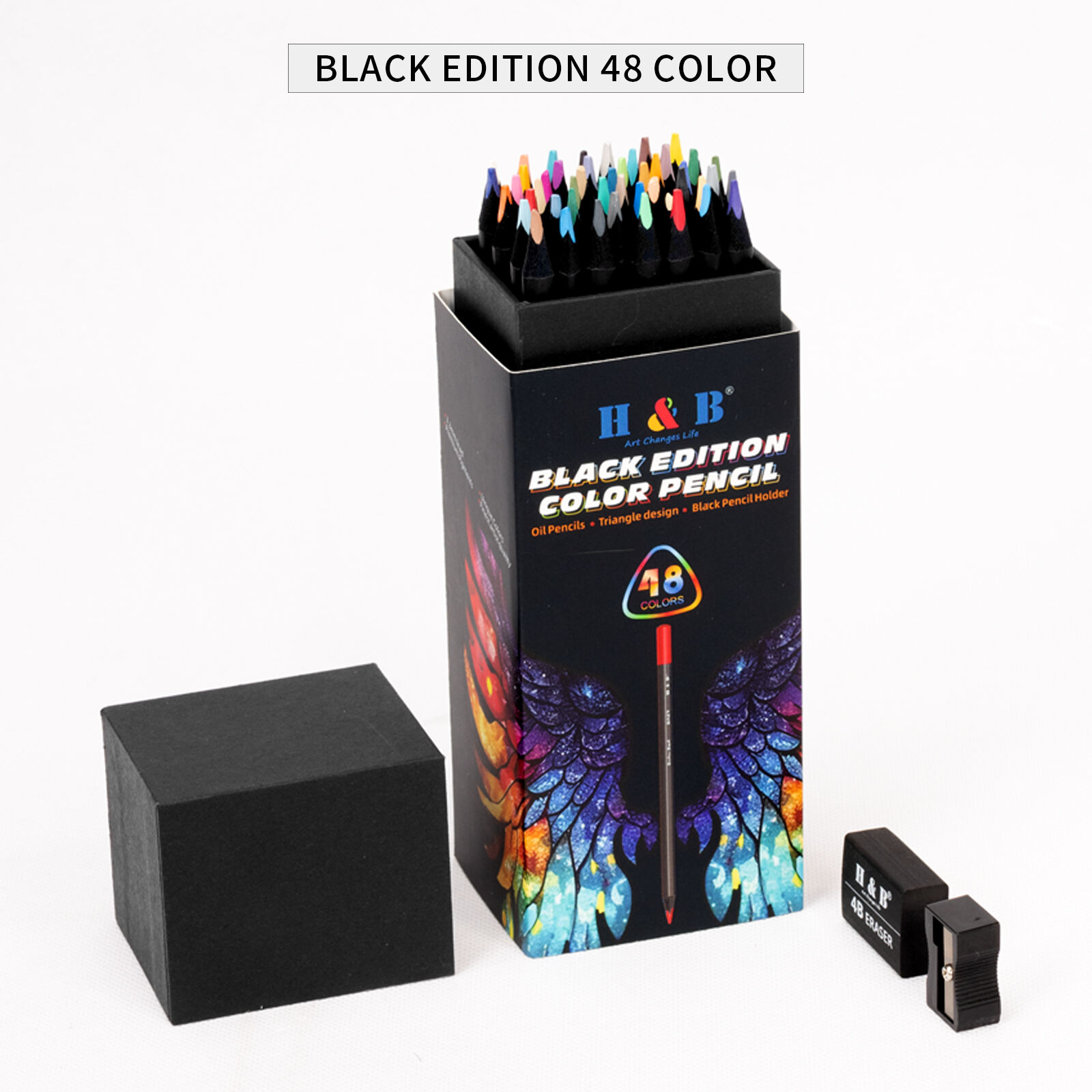
Upeiden, värikkäiden värien luominen vaatii väriliitojen kerrostustekniikoiden hallintaa. värimerkit ammattilaiset taiteilijat ja harrastajat ovat yhtä lailla huomanneet, että monikerroksinen värinsyvyys muuttaa tavallisia luonnoksia erinomaisiksi mestariteoksiksi. Prosessiin kuuluu pigmenttien strateginen käyttö, värinsynteesin ymmärtäminen ja kärsivällisyys vähitaiseen värien kehittymiseen. Kun taiteilijat oppivat oikeat kerrostustekniikat, he voivat luoda realistisia tekstuureja, sulavia värien siirtymiä ja tilallisia vaikutelmia, jotka viehättävät katsojia. Tämä kattava lähestymistapa väriliidutekniikkaan avaa ovet rajattomille luoville mahdollisuuksille.
Värinkerrostuksen perusteet
Värinsynteesin perusperiaatteet
Värin kerrostaminen alkaa siitä, että ymmärtää, miten eri sävyt vuorovaikuttavat, kun niitä käytetään peräkkäisin kerroksin. Ennakkovärit toimivat perustana, kun taas toissijaiset ja kolmannet värit luovat monimutkaisuutta ja syvyyttä. Taiteilijoiden on otettava huomioon väriliiduiden läpinäkyvyys ja peittävyys suunniteltaessa kerrosjärjestelyjä. Vaaleat värit soveltuvat yleensä parhaiten pohjakerroksiksi, mikä mahdollistaa tummempien värien soveltamisen säilyttämään kirkkauden. Avainperiaate sisältää värin asteittaisen rakentamisen pikemminkin kuin pyrkimyksen saavuttamaan haluttu voimakkuus yhdellä sovelluskerralla.
Lämpötilasuhteet kylmien ja lämpimien värien välillä vaikuttavat merkittävästi kerrostetun teoksen lopulliseen ulkonäköön. Lämpimät alusvärit voivat saada värit näyttämään elävemmiltä ja etenevimmiltä, kun taas kylmät alusvärit luovat syvyysvaikutelmaa ja tunnelmia. Taiteilijat, jotka ymmärtävät nämä lämpötilavuorovaikutukset, voivat hallita visuaalista syvyyttä ja luoda uskottavampia kolmiulotteisia muotoja. Strategiset värien lämpötilavalinnat parantavat kokonaiskompositiota ja ohjaavat katsojan huomiota keskeisiin kohtiin.
Paperin valinta ja pinnan valmistelu
Paperin valinta vaikuttaa huomattavasti värikynien suorituskykyyn kerrostusprosessin aikana. Teksturoidut paperit keskivahvalla pintarakenteella tarjoavat paremman pigmenttien tarttumisen ja sallivat useiden kerrosten käytön ilman ennenaikaista kyllästymistä. Sileät paperit voivat rajoittaa kerrostuskykyä, mutta tarjoavat erinomaiset mahdollisuudet yksityiskohtaisten töiden tekemiseen. Taiteilijoiden tulisi testata värikyniään eri paperilaaduilla ymmärtääkseen, miten pinnan tekstiuri vaikuttaa värin kertymiseen ja sekoittumiseen.
Asianmukainen pinnan valmistelu takaa optimaaliset tulokset koko kerrostusprosessin ajan. Puhtaat kädet ja pölytön työskentelypinta estävät haluttomia jälkiä ja saastumista. Jotkut taiteilijat suosittelevat kevyiden ohjeviivojen tai alustavien luonnosten tekemistä kovilla grafiittikynillä ennen värin käyttöönottoa. Tämä valmisteluvaihe mahdollistaa paremman suunnittelun värin sijoittelulle ja vähentää tarvetta korjauksille edistyneemmällä kerrostusvaiheessa.
Värinkehityksen keskeiset kerrostustekniikat
Edistykselliset värien rakentamisen menetelmät
Onnistunut värin kerrostus perustuu edistyviin rakennustekniikoihin, jotka vähitellen kehittävät värien intensiteettiä ja monimutkaisuutta. Taiteilijat aloittavat kevyillä painotuksilla, jolloin paperin pintarakenteen näkyy ensimmäisten kerrosten läpi. Jokaiselle seuraavalle kerrokselle käytetään hieman suurempaa painetta samalla kun sovellus pysyy hallittuna. Tämä systemaattinen lähestymistapa estää vahamaisen kerrostuman syntymisen, joka voi esiintyä painavankätisissä alussa tehdetyissä sovelluksissa. Väripunakkeiden laatu vaikuttaa merkittävästi siihen, kuinka hyvin kerrokset tarttuvat ja sekoittuvat keskenään tämän prosessin aikana.
Ympyräliikkeet tuottavat tasaiset ja tasapainoiset väijytykset, jotka toimivat erinomaisina perustasoina lisäsovelluksille. Muodon ääriviivoja seuraavat lineaariset viirut auttavat luomaan kolmiulotteisia vaikutelmia samalla kun säilytetään värien yhtenäisyys. Ristikkäisviivausmenetelmällä taiteilijat voivat sekoittaa värejä optisesti samalla kun rakennetaan tekstuuria ja syvyyttä. Jokainen tekniikka täyttää tietyn tarkoituksen kokonaisvaltaisessa kerrostusstrategiassa, ja niiden valinta tulisi tehdä haluttujen taiteellisten vaikutelmien perusteella.
Sekoitus- ja siirtymästrategiat
Tehokas sekoitus muuttaa yksittäiset väriliidun viivat saumattomiksi värisiirtymiksi, jotka parantavat realistisuutta ja visuaalista houkuttelevuutta. Värittömien sekoittimien tai vaaleiden väriliidun avulla tehtävä puhdistustekniikka (burnishing) auttaa yhdistämään kerrosten rajat ja luomaan tasaisia sävyjen siirtymiä. Taiteilijoiden on pidettävä tasapaino sekoittamisen ja tekstuuriin säilyttämisen välillä, jotta säilytetään visuaalinen kiinnostavuus ja vältetään liiallisen kiillotettu ilme, joka puuttuu luonteenomaisuudesta.
Optinen sekoittaminen strategisella kerrosten sijoittelulla mahdollistaa värien visuaalisen vuorovaikutuksen ilman fyysistä sekoittamista. Tämä tekniikka säilyttää yksittäisten värien identiteetit samalla kun se luo uusia havaittuja värejä katsojan tulkinnan kautta. Komplementtivärikombinaatiot voivat luoda voimakkaita neutraaleja sävyjä, kun niitä käytetään kerroksena oikein. Taiteilijat, jotka hallitsevat optisen sekoittamisen tekniikat, voivat saavuttaa monimutkaisia väritehokkuuksia, joita ei voida saavuttaa pelkällä suoralla värin käytöllä.
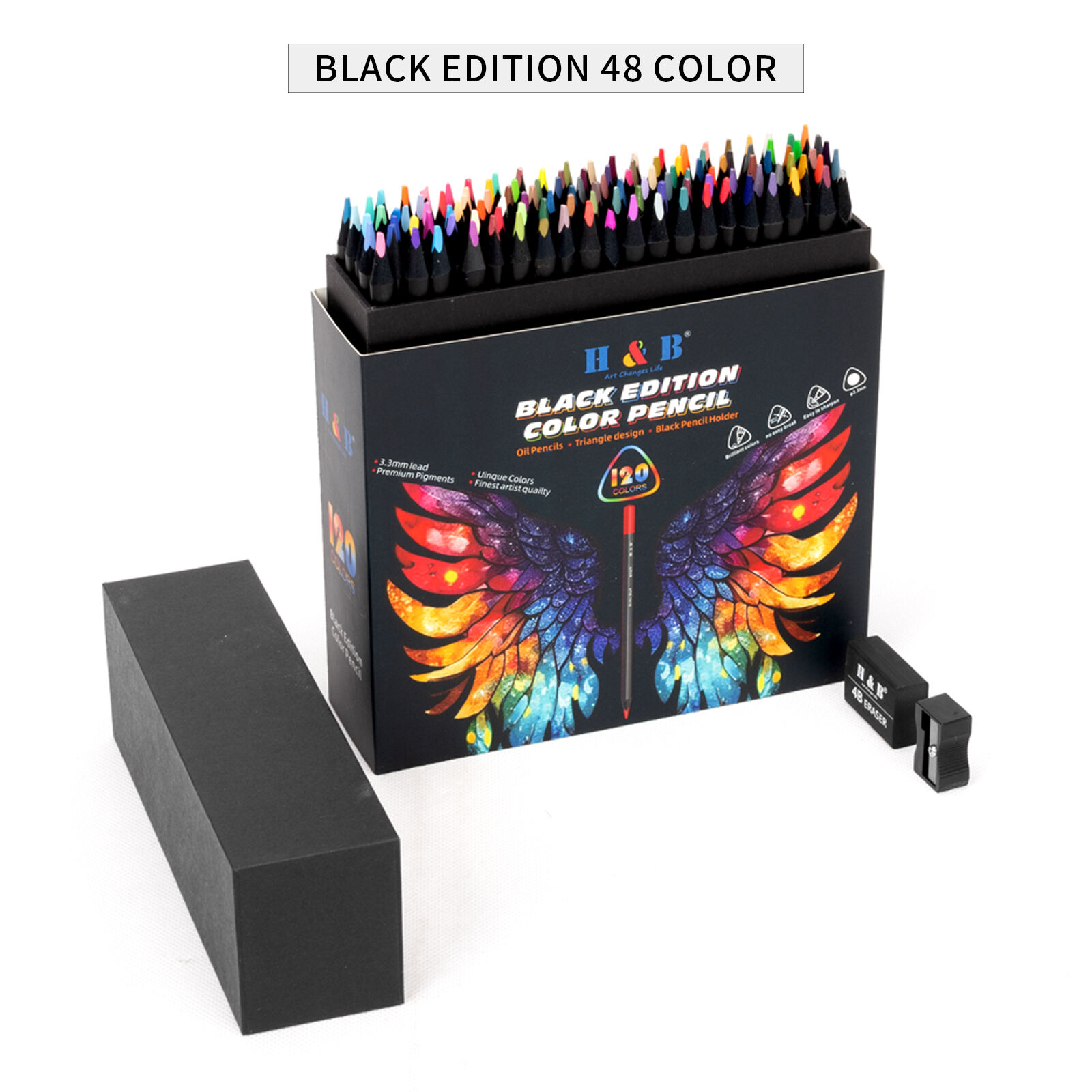
Edistyneet monikerroksiset väritekniikat
Ilmakehäperspektiivin luominen
Ilmamaisematekniikat värinlyijykynillä hyödyntävät väriintensiteettiä, kontrastia ja lämpötilaa syvyyksien luomiseksi. Kaukana oleviin kohteisiin käytetään viileämpää, vaaleampaa sävyä alhaisemmalla kontrastitasolla. Etualan elementit säilyttävät lämpimämmät sävyt ja korkeamman kontrastisuhteen. Taiteilijat rakentavat nämä efektit strategisilla kerroksilla, jotka asteittain muuttavat värien ominaisuuksia komposition sisäisten tilasuhteiden mukaan.
Useat läpinäkyvät kerrokset luovat ilmamaisen sumuefektin, joka parantaa etäisyyden havaitsemista. Vihreitä tai violetteja kerroksia sovelletaan lämpimien perusvärien päälle simuloiden ilmakehän häiriöitä ilman, että taustan yksityiskohdat peittyvät kokonaan. Tämä tekniikka vaatii kärsivällisyyttä ja hillittyä lähestymistapaa, sillä liiallinen kerrostaminen voi sekoittaa värejä ja heikentää visuaalista selkeyttä. Onnistunut ilmamaisema perustuu hienovaraisiin värisiirtymiin, jotka kertyvät luodakseen voimakkaita syvyysvaikutelmia.
Tekstuuri kehittyy kerrostamalla
Erilaiset materiaalit ja pinnat vaativat tiettyjä kerrosten käyttöä uskottavan tekstuurityypin saavuttamiseksi. Metallipinnoille hyödyllistä on korkea kontrasti ja strateginen valojen säilyttäminen. Kankaiden tekstuuri muodostuu paineen vaihtelulla, joka noudattaa kudosten kutoa ja materiaalin ominaisuuksia. Luonnonmukaiset tekstuurityypit, kuten turkki, kuori tai kivi, vaativat epäsäännöllisiä kerrosten käyttötapoja, jotka jäljittelevät luonnollisia pintavaihteluita.
Taiteilijat kehittävät tekstuurikirjastojaan harjoittelemalla erilaisia kerrosten yhdistelmiä eri pinnatyypeillä. Jokainen materiaaliluokka vaatii yksilöllisiä lähestymistapoja paineen vaihteluun, värivalintaan ja sovellussuuntaan. Jatkuvan harjoittelun avulla erilaisilla tekstuureilla laajenevat taiteelliset taidot ja paranevat havaintokyvyt. Nämä kehittyneet tekniikat muodostuvat arvokkaiksi työkaluiksi uskottavien esitysten luomiseen eri aihepiireissä.
Ammatillisia vinkkejä värien syvyyden hallintaan
Työkalujen valinta ja huolto
Ammattitason värinlyijykynät tarjoavat erinomaisen pigmenttikonsentraation ja yhdenmukaisuuden, mikä vaikuttaa merkittävästi kerrostustuloksiin. Korkealaatuisemmat kynät säilyttävät kärjen terävyyden pidempään ja tarjoavat ennustettavampaa värin toimitusta pitkien työistuntojen ajan. Taiteilijoiden tulisi sijoittaa kattaviin värivalikoimiin, jotka sisältävät hienojakoisia sävyjen lämpötilavaihteluita jokaisessa värisuvussa. Nämä laajennetut paletit tarjoavat suuremman joustavuuden kehittyneisiin väriensekoitus- ja kerrostusstrategioihin.
Asianmukainen kynän hoito varmistaa yhdenmukaisen suorituskyvyn monikerroksisissa projekteissa. Terävät kärjet mahdollistavat tarkan yksityiskohtaisen työn ja selkeät värirajat, kun taas hieman tylsentyneet kärjet tarjoavat laajempaa peittokykyä peruskerrosten sovelluksiin. Sähköiset kynänteroitimet tuottavat yhdenmukaista kärjen geometriaa, kun taas manuaaliset teroitimet tarjoavat paremman hallinnan kärjen muodossa ja pituudessa. Taiteilijoiden tulisi ylläpitää useita kyniä eri kärkikunnossa, jotta voidaan vastata erilaisiin kerrostustarpeisiin.
Suunnittelun ja dokumentoinnin strategiat
Onnistuneet monikerroksiset projektit edellyttävät huolellista suunnittelua ja dokumentointia, jotta saavutetaan yhtenäisiä tuloksia. Väriyhdistelykaaviot auttavat taiteilijoita ennakoimaan värityksien tuloksia ennen lopullisten teosten toteuttamista. Testinäytteet samanlaisella paperilaadulla tarjoavat tarkan kuvan siitä, miltä tietyt värikombinaatiot näyttävät valmiissa teoksessa. Nämä valmistautumisvaiheet estävät kalliit virheet ja vähentävät korjaustöihin käytettyä aikaa myöhemmissä projekivaiheissa.
Valokuvallinen dokumentointi työn vaiheista mahdollistaa taiteilijoiden seurata onnistuneita tekniikoita ja tunnistaa parannettavia alueita. Digitaalinen valokuvaus vakioitujen valaistusolosuhteiden alla tarjoaa tarkan värinhuomion, joka tukee tulevia viittaus- ja vertailutarpeita. Taiteilijoiden tulisi pitää yksityiskohtaiset muistiinpanot tietyistä värikombinaatioista, painetasoista ja käyttöjärjestyksistä, jotka tuottavat haluttuja vaikutelmia. Tämä dokumentointi on korvaamaton menestyneiden tekniikoiden toistossa tulevissa projekteissa.
Yleiset haasteet ja ratkaisut
Välttääkseen värien sumentumista
Värien sumea esiintyminen on yksi yleisimmistä haasteista, joihin taiteilijat törmäävät kerrostellessaan väriliituilla. Tämä ongelma johtuu tyypillisesti liiallisesta sekoittamisesta, epäasianmukaisista väriyhdistelmistä tai liian varhaisesta voimakkaasta paineesta. Ongelman ehkäisemiseksi tulisi säilyttää puhtaat värisuhteet ja välttää vastavärien yhdistämistä alueilla, joissa halutaan sävyjä. Taiteilijoiden tulisi ymmärtää, mitkä väriyhdistelmät johtavat sumeisiin tuloksiin, ja kehittää vaihtoehtoisia lähestymistapoja samanlaiseen visuaaliseen vaikutukseen.
Mudassa värivyöhykkeissä käytettäviä palautustekniikoita ovat valikoiva pyyhkiminen murehtivalla pyyhekumilla tai varovainen raapiminen käsityöveitsellä. Kirkkaiden värien kevyet käyttökerrat voivat joskus palauttaa selkeyden vaarantuneisiin alueisiin. Kuitenkin ennaltaehkäisy on korjaukseen verrattuna suositeltavampaa, mikä korostaa huolellisen värisuunnittelun ja hillityn käyttötekniikan tärkeyttä. Taiteilijat, jotka ymmärtävät värisuhteet, voivat ennustaa mahdollisia ongelmia ja säätää lähestymistapojansa sen mukaisesti.
Vahan kertymän hallinta
Vaharakenne syntyy, kun paperin pinta tulee kyllästetyksi väriliidun sidostekomponentilla, mikä estää lisäkerrosten tarttumisen. Tämä ilmiö johtuu yleensä liiallisesta paineesta tai sopimattoman pinnan karkeudesta suunnitellulle kerrosmäärälle. Taiteilijat voivat estää rakenteen muodostumisen käyttämällä kevyttä painetta alustavissa kerroksissa ja valitsemalla sopivan paperipinnan tarkoituksenmukaiselle tekniikalle. Paineen, paperin tekstuurin ja lyijykynän kovuuden välisen suhteen ymmärtäminen auttaa taiteilijoita välttämään tätä yleistä ongelmaa.
Vaharahan kertymän hoitovaihtoehdot sisältävät hellän pintahionnan hienolla paperihionalla tai erityisillä pyyhkimillä, jotka on suunniteltu väripuukkien poistamiseen. Käyttökelpoiset fiksaattit voivat joskus palauttaa pinnan karheuden liiallisesti kyllästetyille alueille, mikä mahdollistaa lisäkerrosten käytön. Näitä korjausmenetelmiä tulisi kuitenkin pitää viimeisenä vaihtoehtona, koska ne voivat vaikuttaa koko teoksen laatuun. Taiteilijat hyötyvät eniten pintatilojen herkkyyden kehittämisestä, joka estää kertymän muodostumisen alusta alkaen.
UKK
Mitkä väripuukkityypit sopivat parhaiten monikerrosten tekniikoihin
Ammattitason värinlyijykynät, joissa on korkea pigmenttikonsentraatio ja laadukkaat sitovat aineet, toimivat parhaiten monikerrossovelluksissa. Merkit, jotka tarjoavat sekä pehmeitä että kovia muotoiluja, tarjoavat monipuolisuutta eri kerrosvaiheisiin. Pehmeät kynät soveltuvat erinomaisesti peruskerroksen peittämiseen ja sekoittamiseen, kun taas kovemmat kynät säilyttävät kärkensä paremmin yksityiskohtaisessa työssä ja hienoissa värisäädöissä. Taiteilijoiden tulisi testata eri merkkejä löytääkseen yhdistelmät, jotka sopivat heidän tiettyihin tekniikoihinsa ja mieltymyksiinsä.
Kuinka monta kerrosta voidaan turvallisesti käyttää ennen kuin paperi kyllästyy
Paperin kyllästymisrajat riippuvat pinnan tekstuurista, lyijykynän paineesta ja värikynien sidosteen määrästä. Teksturoidut paperit kestävät yleensä enemmän kerroksia kuin sileät pinnat ennen kuin ne saavuttavat kyllästymispisteen. Useimmat laadukkaat paperit kestävät viisi–kahdeksan kevyttä kerrosta ennen kuin niissä alkaa näkyä pintarakenteen heikkeneminen. Taiteilijoiden tulisi tarkkailla jatkuvasti paperin kuntoa ja säätää tekniikkaansa pintavasteen perusteella rather than noudattamalla jäykkää kerrosmääräohjetta.
Voiko eri värikynämerkkejä sekoittaa samassa teoksessa
Erilaisten väripuikkojen merkkien yhdistäminen yhteen teokseen on yleensä sallittua, vaikka taiteilijoiden tulisi testata yhteensopivuus etukäteen. Eri valmistajat käyttävät erilaisia sidostemuotoja, jotka voivat reagoida arvaamattomasti kerrostettaessa ja sekoitettaessa. Jotkut yhdistelmät toimivat saumattomasti, kun taas toiset voivat aiheuttaa tarttumisongelmia tai odottamattomia värisiirtymiä. Eri merkkien yhdistämisen testaaminen harjoituspinnalla auttaa taiteilijoita tunnistamaan toimivat yhdistelmät omiin tekniikoihinsa ja haluamiinsa vaikutuksiinsa.
Mikä on paras tapa korjata virheitä kerrostetussa väripuikkotyössä
Virheiden korjaaminen kerroksittomassa väriliidutyössä edellyttää varovaisia menetelmiä, jotka säilyttävät ympäröivät alueet ja paperin eheyden. Nokkamestari voi poistaa kevyitä sovelluksia vahingoittamatta paperin pintaa. Käsityöveitsi mahdollistaa tarkan poiston pieniltä alueilta huolellisilla raastotekniikoilla. Suurempien virheiden kohdalla taiteilijoiden saattaa olla tarpeen sisällyttää virheet kokonaisrakenteeseen tai käyttää strategista kerrostamista niiden näkyvyyden vähentämiseksi. Ennakoiva suunnittelu pysyy tehokkaimpana lähestymistapana virheiden hallinnassa.