
 EN
EN
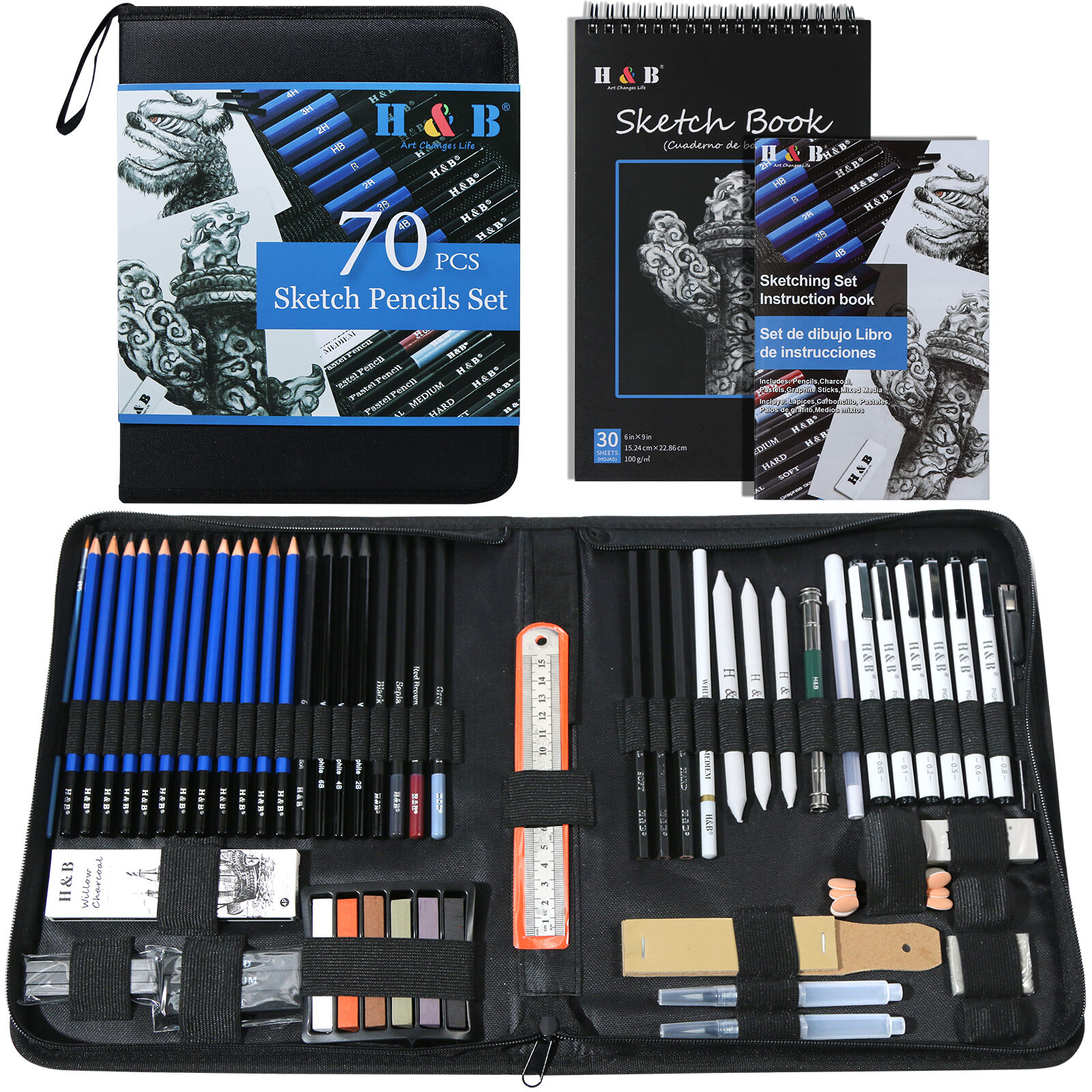
Selecting the right drawing pencils for art education and training programs requires careful consideration of student needs, skill levels, and educational objectives. Quality drawing pencils serve as fundamental tools that can significantly impact learning outcomes and artistic development. Educational institutions must balance cost-effectiveness with performance to ensure students receive proper training materials that enhance their creative abilities. The choice between various pencil types, grades, and brands directly affects the quality of instruction and student satisfaction in art programs.
Art educators face unique challenges when procuring drawing pencils for their programs. Budget constraints often limit options, while diverse student skill levels demand versatile tools that accommodate beginners through advanced learners. Understanding the technical specifications and practical applications of different pencil types becomes essential for making informed purchasing decisions. Successful art programs invest in drawing pencils that provide consistent performance, durability, and versatility across multiple artistic techniques and styles.
Understanding Pencil Grades and Their Educational Applications
Graphite Hardness Scale and Student Learning
The graphite hardness scale ranges from 9H (hardest) to 9B (softest), with HB representing the middle ground. Educational programs typically benefit from a comprehensive range that includes 2H, H, HB, B, 2B, and 4B grades. These drawing pencils provide students with sufficient variety to explore different techniques including light sketching, detailed rendering, and bold shading. Beginning students often start with HB and B grades before progressing to harder and softer variations as their skills develop.
Each grade serves specific educational purposes within art curriculum design. Harder drawing pencils like 2H and H excel in preliminary sketching and construction lines, teaching students proper proportional foundation work. Medium grades such as HB offer versatility for general drawing exercises and everyday practice sessions. Softer grades including 2B and 4B enable students to explore tonal values, atmospheric effects, and expressive mark-making techniques essential for artistic growth.
Colored Pencil Integration in Art Programs
Modern art education increasingly incorporates colored drawing pencils alongside traditional graphite options. Quality colored pencils enhance curriculum diversity by enabling color theory instruction, mixed media exploration, and illustration techniques. Educational sets typically include primary and secondary colors plus essential neutrals, providing students with comprehensive color mixing and application opportunities. The waxy or oil-based cores in premium colored drawing pencils deliver smooth application and excellent blending capabilities crucial for student development.
Colored pencil selection should prioritize lightfastness, pigment quality, and ease of use for educational settings. Students benefit from drawing pencils that maintain consistent color saturation and resist fading over time, ensuring their artwork remains vibrant for portfolio development and exhibition purposes. Professional-grade colored pencils often feature higher pigment concentrations and superior binding agents, resulting in richer colors and smoother application that enhances the learning experience.
Quality Considerations for Educational Procurement
Durability and Longevity Factors
Educational institutions require drawing pencils that withstand heavy classroom use and frequent sharpening cycles. Premium cedar wood casings provide superior durability compared to cheaper alternatives, reducing breakage rates and minimizing replacement costs. The graphite or color core should remain centered and well-bonded to prevent cracking or crumbling during normal student use. Quality drawing pencils maintain their structural integrity even when subjected to the varied handling techniques common in educational environments.
Consistent performance across entire batches ensures uniform learning experiences for all students. Manufacturing quality control becomes critical when purchasing drawing pencils in bulk quantities for institutional use. Reputable manufacturers implement strict quality standards that result in consistent hardness grades, uniform color saturation, and reliable performance characteristics. These factors directly impact instructional effectiveness and student satisfaction throughout the academic term.
Cost-Effectiveness and Budget Planning
Balancing quality with affordability requires strategic procurement planning for educational art programs. Bulk purchasing often provides significant cost savings while ensuring adequate supplies throughout the academic year. However, extremely low-cost drawing pencils may prove counterproductive if poor quality hinders student progress or requires frequent replacement. Educational buyers should calculate total cost of ownership including replacement frequency, student satisfaction, and learning outcome impacts.
Value-oriented procurement strategies focus on finding drawing pencils that offer optimal performance within budget constraints. Mid-range professional products often provide excellent educational value by combining quality construction with reasonable pricing. Establishing relationships with reliable suppliers can result in educational discounts and consistent product availability throughout the procurement cycle. Long-term planning enables institutions to take advantage of seasonal promotions and bulk pricing opportunities.
Selecting Appropriate Sets for Different Skill Levels
Beginner-Friendly Drawing Pencil Configurations
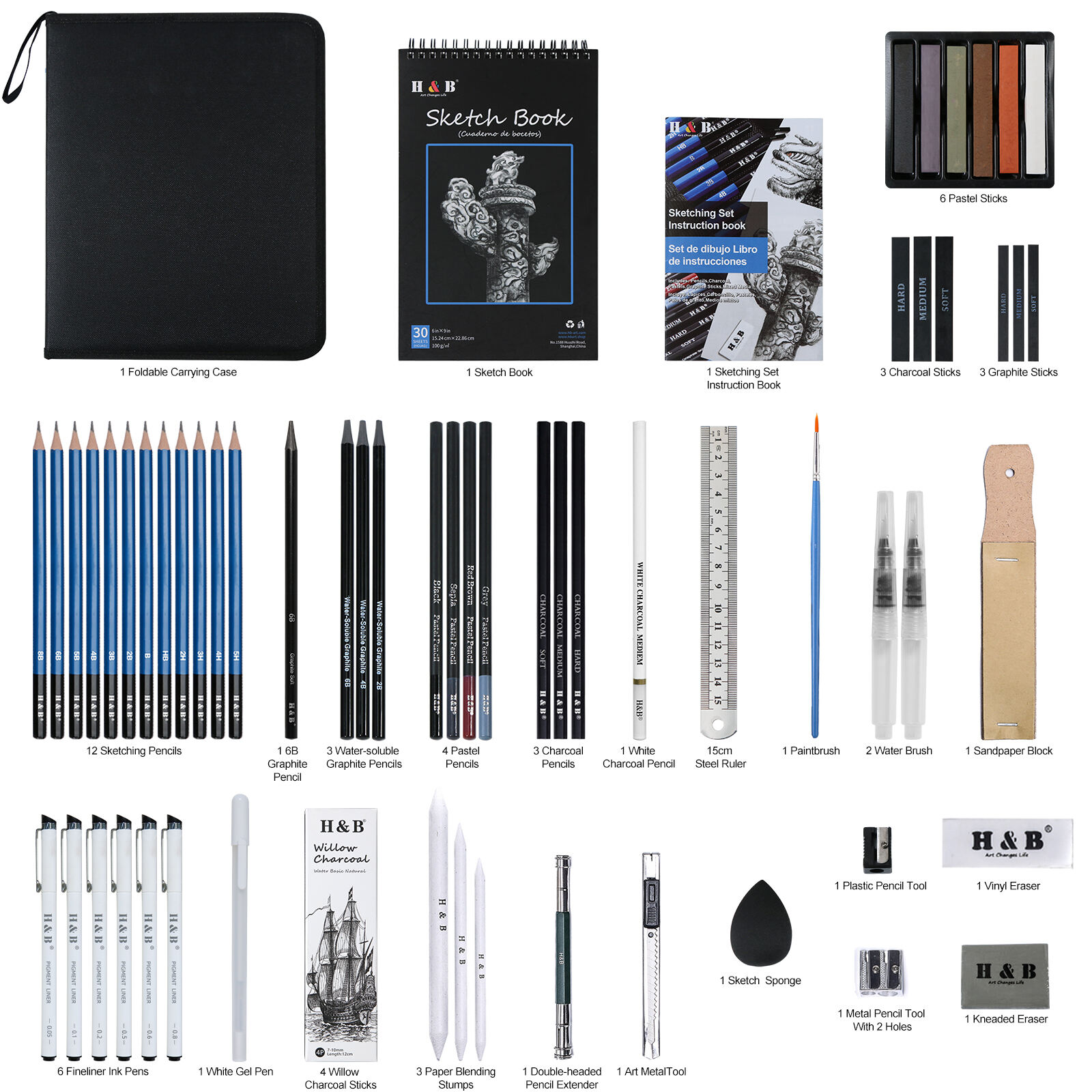
Introductory art students benefit from simplified drawing pencil sets that focus on essential grades and techniques. A basic configuration might include HB, 2B, and 4B graphite pencils plus a selection of primary colored options. This limited range prevents overwhelming beginners while providing sufficient variety for foundational skill development. The drawing pencils should feature comfortable grips and consistent performance to build student confidence and encourage continued artistic exploration.
Beginner sets should emphasize ease of use and forgiving characteristics that accommodate learning curves. Softer cores generally prove more user-friendly for new students as they require less pressure and produce visible marks more readily. Quality drawing pencils designed for educational use often feature enhanced break-resistance and smoother application characteristics that reduce frustration during initial learning phases. Clear grade markings and color identification help students learn proper tool selection and organization skills.
Advanced Student and Professional Training Requirements
Advanced art students and professional training programs require comprehensive drawing pencil sets that support sophisticated techniques and artistic expression. Extended grade ranges from 4H through 6B enable precise control over line weight, tonal values, and surface textures. Professional-quality colored pencil sets with 24 or more colors provide adequate options for complex color work and realistic rendering projects. These comprehensive collections support advanced curriculum requirements and prepare students for professional artistic careers.
Advanced students benefit from drawing pencils that offer professional-grade performance characteristics including superior pigment quality, precise hardness grades, and consistent manufacturing standards. Higher-end products often feature enhanced core formulations that deliver smoother application, better blending properties, and increased lightfastness. These qualities become increasingly important as students develop more sophisticated techniques and create portfolio-quality artwork for evaluation and exhibition purposes.
Maintenance and Storage Solutions for Educational Settings
Proper Sharpening Techniques and Equipment
Maintaining sharp points on drawing pencils requires appropriate sharpening equipment and student training. Quality handheld sharpeners with replaceable blades provide consistent results while electric sharpeners offer convenience for high-volume classroom use. Students should learn proper sharpening techniques that preserve pencil length and maintain optimal point geometry. Different drawing pencils may require specific sharpening approaches to prevent core breakage and ensure optimal performance.
Colored drawing pencils often require gentler sharpening techniques due to their softer, waxier cores. Specialized sharpeners designed for colored pencils feature adjusted blade angles and feed mechanisms that reduce core cracking and waste. Regular sharpener maintenance including blade replacement and debris removal ensures consistent results and extends equipment lifespan. Proper sharpening education helps students maximize their drawing pencil investment while developing good tool care habits.
Storage Systems and Organization Methods
Effective storage solutions protect drawing pencils while facilitating easy access and organization. Individual pencil cases help students maintain personal sets while classroom storage systems accommodate bulk supplies and shared resources. Climate-controlled environments prevent wood expansion and core deterioration that can affect pencil performance. Proper organization systems enable quick inventory management and ensure adequate supplies remain available throughout academic terms.
Color-coded storage solutions help students quickly identify appropriate drawing pencils for specific assignments and techniques. Foam inserts and custom compartments prevent damage during transport and storage while maintaining grade organization. Clear labeling systems support inventory management and enable students to develop organizational skills alongside artistic abilities. Well-designed storage solutions contribute to positive learning environments and efficient classroom management.
Supplier Selection and Procurement Strategies
Evaluating Manufacturer Credentials and Product Lines
Selecting reliable suppliers requires evaluation of manufacturer reputation, product consistency, and educational market experience. Established brands with strong educational presence often provide superior customer support, bulk pricing options, and product reliability. Quality certifications and safety standards become particularly important for educational procurement, ensuring drawing pencils meet appropriate health and safety requirements for classroom use. Supplier stability and long-term availability help ensure consistent product access throughout multi-year procurement cycles.
Product line depth and breadth influence long-term supplier relationships and curriculum flexibility. Manufacturers offering comprehensive drawing pencil ranges enable consolidated purchasing and simplified procurement processes. Technical support and educational resources provided by suppliers can enhance instructor training and curriculum development efforts. Responsive customer service becomes critical when addressing quality issues or managing large-volume orders for educational institutions.
Bulk Purchasing and Contract Negotiations
Strategic bulk purchasing maximizes budget efficiency while ensuring adequate drawing pencil supplies throughout academic periods. Volume discounts and educational pricing programs often provide significant cost savings compared to retail purchases. Contract negotiations should address delivery schedules, quality specifications, and replacement policies for defective products. Long-term agreements can provide price stability and guaranteed availability for multi-year educational planning cycles.
Procurement timing influences both pricing and product availability for educational institutions. End-of-year purchasing often provides access to closeout pricing and manufacturer incentives. However, adequate storage capabilities and inventory management systems become necessary to handle large-volume purchases effectively. Collaborative purchasing with other educational institutions can increase negotiating power and access better pricing tiers for premium drawing pencil products.
FAQ
What pencil grades should beginner art students start with?
Beginner art students should start with a basic set including HB, 2B, and 4B drawing pencils. These grades provide sufficient range for learning fundamental techniques including light sketching, medium tones, and darker shading. The HB grade offers versatility for general drawing exercises, while 2B and 4B enable students to explore tonal values and expressive mark-making. This simplified range prevents overwhelming beginners while building essential skills that prepare them for more advanced pencil grades later in their artistic development.
How many colored pencils does an educational art program typically need?
Educational art programs typically benefit from colored drawing pencil sets containing 24 to 50 colors, depending on curriculum requirements and student skill levels. A 24-color set provides adequate primary and secondary colors plus essential neutrals for basic color theory instruction and general illustration work. Advanced programs may require 50 or more colors to support sophisticated color mixing, realistic rendering techniques, and professional-level portfolio development. The key is selecting sets that balance color variety with budget constraints while meeting specific educational objectives.
What storage solutions work best for classroom drawing pencil management?
Effective classroom storage for drawing pencils includes individual student cases combined with centralized bulk storage systems. Student cases should feature compartments for grade organization and protection during transport between classes and home. Classroom storage solutions benefit from clear labeling, climate control, and easy access for inventory management. Foam inserts and custom compartments prevent damage while maintaining organization. The best systems balance security, accessibility, and protection to maximize pencil lifespan and educational investment.
How can schools evaluate drawing pencil quality before bulk purchasing?
Schools can evaluate drawing pencil quality through sample testing, manufacturer reputation research, and educational reference checks. Request sample sets to test performance characteristics including mark quality, durability, and sharpening behavior. Research manufacturer credentials, safety certifications, and educational market experience to ensure reliability and appropriate standards compliance. Contact other educational institutions using similar products to gather real-world performance feedback. This evaluation process helps ensure bulk purchases meet quality expectations and provide good educational value throughout the academic year.